
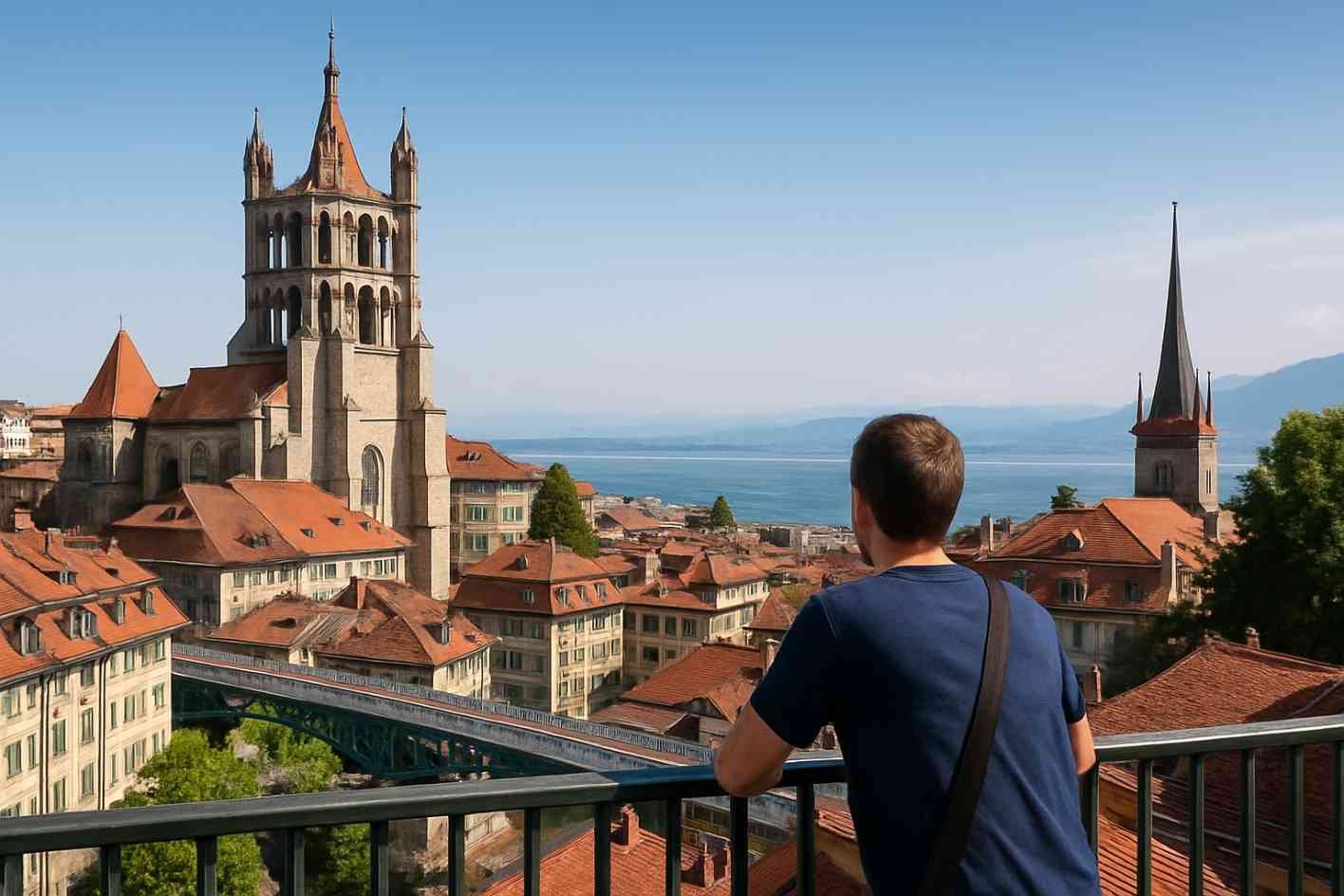
Best Things to Do in Lausanne – My Real Experiences
The reality is that when I first came to Switzerland in 2014, Lausanne wasn't exactly on top of my list either.
Zurich, or perhaps Geneva along with Lucerne but Lausanne? It wasn’t on my radar. BUT when I eventually got there, it just jived. I recall standing by a pond in Ouchy looking at the water glistening in the sun and saying I cannot believe I did not know this was here
That moment changed everything.
This is the city with soul, Laussane, not just another Swiss city but, direct on the water. This is one of those places that combines culture and history, modern energy and nature in a balance that seems effortless. But the catch is, if you do not know what smell to look for, the trick is easily overlooked.
Which is exactly why I made this guide on the best things to do in Lausanne, so you won’t just get a list of touristy attractions. You can go with a friend and experience the city the way I would walk you through it.
I’m going to tell you where the best places are and what not to miss, based on my own experience, not just the Google searches most people do. Whether you’re a traveller in town, a student studying here, or even someone calling Switzerland home, I want to make your journey in Lausanne as smooth, comfortable, and meaningful as possible.
Lausanne is waiting, and I’m going to show you the right way.
 Best 10 Things to Do in Lausanne
1. Ouchy Promenade – The Lakeside Charm You Shouldn’t Miss
Ouchy, if you ask me which part of Lausanne I feel like dreaming, this is it without a doubt.
Recalling my first walk at Ouchy Promenade. One of those sunny Swiss days in spring when you forget every second of stress a person ever held on their shoulders. The lake sparkled, swans glided over its surface, and the air smelled clear, piney, and potential. It was no longer a city, but a sanctuary.
Ouchy is where Lausanne meets Lake Geneva, and it’s not just a pretty sight. It’s a place where locals run, families picnic, couples stroll hand in hand, and visitors pause to take it all in. Every time I’m in Switzerland (which happens often after living five years in Zurich), I come here to recharge. It’s one of my must-visit spots when talking about the best things to do in Lausanne. 😉
If you're planning on visiting, here's what you should know:
What to Do in Ouchy:
- Drive to the promenade and walk on the water or rent a dirty bike
- There is also an Olympic Museum at hand (to be visited even if you're not into sports stay tuned!)
- Have a coffee by the lake, or have an ice-cream (I recommend the one near Hôtel d'Angleterre).
- Whatever, tuck a protein bar in your back pocket and chill on the lawn grass yes, they let people do that here also!
Things to Keep in Mind:
- But on weekends, it turns into a popular spot really quickly, save mornings or weekdays for some peace.
- Local restaurants are costly. Bring your own food and eat in the city before you come
Personal tip: Come with a book and just sit by the lake, my favorite. Sometimes the smallest moments end up meaning the most.
2. The Olympic Museum – More Than Just Sports
Before I visited the Olympic Museum in Lausanne, I thought, “Well, I’m not a huge sports fan… will this even be interesting?
But trust me, it’s not just about sports. It’s about people. Passion. Perseverance. Dreams. If you’re making your own list of things to do in Lausanne, this spot deserves a top place.
Located right in Ouchy, the museum feels like it’s part of the lakeside magic. I walked in expecting medals and jerseys and walked out feeling inspired and emotional. It tells the story of the Olympic Games in a way that connects deeply with human stories across generations and cultures. For anyone exploring Lausanne attractions, this is more than just a museum—it’s a journey.
What Makes It Worth Visiting?
- Interactive exhibits: You can try out simulations, watch incredible Olympic moments on big screens, and explore how athletes train and prepare.
- A global journey: From ancient Greece to modern times, the museum takes you on a time-travel adventure through Olympic history.
- A celebration of humanity: There are stories of athletes overcoming political challenges, disabilities, and personal struggles just to be there. I had tears in my eyes more than once.
Insider Tips
- Set aside at least 2 hours - there’s a lot to see, and you won’t want to rush it.
- Visit the café upstairs - not just for food, but for the panoramic view of Lake Geneva. One of my favorite hidden spots.
- Don’t skip the outdoor area - there are Olympic torches, sculptures, and even a track to walk on. It’s part of the experience!
Whether you’re into sports or not, this museum leaves you with something real: a sense of what human beings are capable of when they believe in something bigger than themselves.
If you only visit one museum in Lausanne, make it this one it’s truly one of the most unforgettable things to do in Lausanne and a highlight of the city.
3. Lausanne Cathedral – History, Views
Lausanne Cathedral (Cathédrale de Notre-Dame) took me by surprise as I entered it for the first time. I had seen cathedrals before, but this one was different. Not just grand, but grounding.
This medieval Gothic marvel is a fixture in the Old Town and sits high above the city, doing so much more than just gracing us to this day. It is a place where time stands still. It is a holy silence within, even if you are not religious. I recall sitting on one of the backless wooden benches and simply… inhaling. I needed that moment.
Why It’s Worth Visiting
- It's absolutely stunning and the gothic architecture with it's arches, stained glass windows, and massive organ just wow you by all means.
- Can you ever have enough of this view?: climb the bell tower on site (yes, it is a workout!), and you will be rewarded with a 360° view over Lausanne, Lake Geneva, and the far-reaching Alps. It will be one of the best views city, and well worth all those steps.
- A peaceful environment: The cathedral is never crowded like the other tourist attractions It's locals who kneel to light candles, tourists who whisper in amazement, and students who draw in notebooks.
Personal Tips
- Try to go in the morning or close to sunset for the best light through the stained glass.
- If you happen to come when the organ is playing, stick around: it's an atmosphere that cannot be adequately described in words.
- Explore outside too the view is quite impressive from the terrace even if you decide to skip climbing up inside of the tower.
To me however Lausanne Cathedral is a place of reconnection, not so much with the past but definitely with oneself. That this is the place you head if you need a few moments break from life’s incessant hum.
4. Lavaux Vineyards – A UNESCO Day Trip You’ll Never Forget
The first time I visited Lavaux, I honestly didn’t expect much. I had seen pictures rows of vineyards, cute villages, Lake Geneva glistening in the background but nothing prepared me for the feeling of actually standing there. It’s like the world slows down, just for a moment.
Lavaux isn’t just beautiful it’s alive. These terraced vineyards have been here for centuries, clinging to the hillside between Lausanne and Montreux. It’s a UNESCO World Heritage Site, but it doesn’t feel like a tourist trap. It feels like a secret one that I wish I had discovered sooner.
What to Do in Lavaux
- Hike the vineyard trails: There are scenic walking paths between charming villages like Cully, Epesses, and Lutry. You’ll get lake views on one side, and rows of vines on the other.
- Stop for wine tasting: Small, family-run wineries dot the area. Most are happy to let you sample local whites, especially the crisp Chardonnay grape that’s famous in this region.
- Take the Lavaux Express: It’s a small tourist train that runs through the vineyards — fun and relaxing if you don’t want to walk.
Real-World Tips
- Wear comfortable shoes - the terrain is sloped and cobbled in places.
- Bring water and sunscreen, especially in summer.
- Avoid rushing through - Lavaux is best enjoyed slowly. Sit, sip, breathe.
Lavaux gave me one of the most peaceful days I’ve ever had in Switzerland. If you’re in Lausanne and have even half a day free, go. It’s not just a trip, it’s a memory you’ll carry home with you.
5. Art Brut Museum – Lausanne’s Most Unexpected Treasure
The first time someone suggested visiting the Art Brut to me, I recall I had never heard of it, and frankly, I didn't think I would like it. Non-traditional art, they complained. “It’s raw, emotional, intense.” I was wondering, and I am glad I went.
I have had paradigm shifts in how I look at creativity from this museum.
It's from the French, raw art, art that is, anyone making art who isn't a professional artist. A large number of the artists included here were institutionalised or lived intense lives devoid of any form of education, let alone an art school. Their work is always intimate, it is always honest, and often it hurts. But it’s also unbelievably powerful.
Why It Stands Out
- Distinctive emotional appeal: They are not the clean or perfect portrait(fashion). Instead, you find very personal essays and experiences about trauma, joy, obsession, fear, hope.
- At the other end of the spectrum though, deep humanity: this is not technical that’s where you need creation to happen. And that comes across in each room.
- Small but nice🙂: Located in a beuatiful old villa right next to the beautiful Park Mon Repos there was always space and never crowdy.
Honest Thoughts
- Who knows, you might like it - and its unlike anything else in Lausanne.
- And take your time - I practically sat for minutes before some works, really digesting.
- This art is fucking dark, this is dirty, vulgar and without a god damned suit of armor around it so don't walk in expecting anything pretty.
It reminded me that art isn't just about what you see, it's about how the experience makes you feel. Come to the Art Brut Museum when you are tired of all the shiny tourist attractions and want to see something you could really connect with.
6. Lausanne Old Town – Markets, Cafés & Timeless Charm
Of all Lausanne, there is none that feels more like a fairy-tale brought within reach than the Old Town, creating the centre of Lausanne. I still recall the first time I lost myself in its winding streets (quite literally, as I had no map or agenda, save for a busker and that warm scent of fresh bread from an authentic bakery).
In that moment, I really felt I was in Switzerland.
Intentionally losing yourself in Lausanne. write-up on grindergadget: Ancient fountains, secret stairways, gothic buildings, and vibrant open-air markets that the locals still visit for their fresh goods — history is at every turn.
What to Explore
- La Place de la Palud: This charming square features a small clock that tells a seven sec end long story every hour. Perfect for sitting and watching people pass by!
- GeneratedescriptionEscaliers du Marché: A lovely wooden staircase that connects top town with bottom. This is one of my go to spots for taking a few photos.
- Tiny, little cafés in hidden corners, like the one at Café Le Barbare (mmmmm hot chocolate on a cold day or people-watching).
Tips for the Old Town
- Market days are active and local chat in the mornings and evenings (generally Wednesday and Saturday).
- Do not rush linger in the local shops, talk to the sellers, and feel the pulse of the city.
- Wear comfortable shoes: those cobblestone streets might look posh, but gorgeous ain't the word for heels!
I would say that Lausanne Old Town is not a sight to see, only it is someplace you should experience. It is the place where you do not see the city as a tourist but like a local roaming through thousands of centuries of stories.
7. Lausanne Metro – Small but Mighty (And Surprisingly Fun)
When I first heard that Lausanne had a metro system, I was honestly surprised. It’s not a huge city, so I imagined trams or buses, but a fully automated metro? That sounded like something out of a sci-fi movie.
Then I tried it, and I was instantly impressed. If you’re exploring the top things to do in Lausanne, don’t overlook this surprisingly fun and practical experience.
Lausanne’s metro may be small (just two main lines: M1 and M2), but it’s incredibly efficient, clean, and easy to use. What really caught me off guard? It’s the steepest metro in the world. And once you ride it, you’ll understand why this city is built on hills!
Why It’s More Than Just Transportation
- Connects key areas: Whether you're staying in Ouchy, heading to the Old Town, or visiting the university campus, the metro connects everything in just minutes.
- Runs frequently: Trains come every few minutes, and they’re rarely late. It's one of the most reliable systems I’ve used in Switzerland.
- It’s driverless! Yes the M2 line is completely automatic, which honestly fascinated me the first few times.
Tips for Riding the Metro
- Buy a day pass if you're planning multiple rides - it’s cost-effective and valid on buses too.
- Use it to avoid steep uphill walks - especially between Flon (city center) and Ouchy (lake level).
- Don’t be afraid to ask for help - even though the ticket machines are multilingual, they can be confusing the first time.
If you’re exploring Lausanne without a car (which I recommend), the metro is your best friend. It's more than just a convenience! It’s part of the Lausanne experience.
8. Parc de Mon Repos – A Quiet Corner of Calm in the City
There’s something special about finding silence in the middle of a city. That’s exactly what Parc de Mon Repos gave me: silence, stillness, and space to breathe.
When I first discovered this park, it felt like I had stumbled into a secret garden. I was walking between meetings, a bit stressed and tired, and just wanted to sit down somewhere quiet. I saw an open gate, walked in, and instantly felt the pressure lift off my shoulders.
Tucked between Lausanne’s busier neighborhoods, Parc de Mon Repos is a peaceful escape full of trees, fountains, birds, and winding paths that lead to quiet corners. I’ve come here to journal, to read, to eat lunch, or just to do nothing. It’s now one of my favorite spots in the city.
Why It’s Worth Visiting
- Beautiful landscaping: Think classical statues, flowerbeds, and shaded benches all surrounded by nature.
- Parrots! Yes there’s actually a small aviary with tropical birds, which always surprises new visitors.
- Perfect for downtime: Whether you’re visiting Lausanne or living here, this is a perfect place to recharge.
Personal Advice
- Bring a book or a coffee and give yourself permission to pause.
- Visit in the late morning when it’s quiet but sunny.
- Avoid weekends if you want solitude! It’s still calm, but a bit more lively with families and kids.
Sometimes, the best part of a trip or a busy day is doing nothing at all. Parc de Mon Repos is where I go to do exactly that.
9. Local Food – From Cheese to Papet Vaudois (and My Favorites)
I have to say, when I first arrived in Switzerland, I believed Swiss food was only about cheese and chocolate. And although they are those things, I learnt immediately that there was so much more than just the cheese and chocolate, particularly in Lausanne.
With a delightful combination of the best in traditional Vaudois cuisine and international flavors, fine dining in Lausanne feels like home cooking in quaint local restaurants.
What You Have to Try
- Fondue moitié-moitié: Walk into winter with a bubbling pot of Gruyère and Vacherin cheese. Serve best with friends over a glass of white.wind.
- Papet Vaudois: The Vaud region's speciality; leeks and potatoes cooked slowly with local sausage. Hearty, comforting, and uniquely local.
- Malakoff: Not very known by tourists, but yet so good.็ Deep-fried cheese balls (yes we swear). Crispy outside, molten inside.
Personal Favorites
- Restaurant Le Nabi (in Plateforme 10): Elegant design, local produce and some of the most creative yet comfort food-ish cooking in town
- Le Barbare: concealed next to the stairs near the cathedral for one of my lunch organic and best hot chocolates ever.
- Café Romand: A good traditional Swiss meal in an authentic environment, always a safe option.
Food Tips
- Also, consider pairing your meal with a glass of local wine, especially Chasselas from the nearby Lavaux.
- Try seasonal dishes, lots of restaurants change their menus with local fruits and vegetables.
- And skip dessert at your peril from meringues with whipped double cream, to chocolate tarts that never die… the glory of the end of an edge comes with extras here.
Lausanne, Food is not just food, but culture, history, and emotion. Try using your taste buds when having a sit-down meal or just grabbing a quick bite!
10. Nightlife in Flon – Real-Life Vibe & Options for Different Moods
The first night I was in Flon is one of my most vivid memories. So we went home to our apartments… It was right on a chilly friday after a long study week. Honestly, I didn't have high hopes Man, was I wrong. With lights weaving through wide courtyards, music floating from chic bars and people of all ages chatting over drinks you don't just visit a neighborhood here! This is the Flon experience.
Formerly an industrial area, Le Flon is the city centre, where you can eat in and party out in its rough-around-the-edges style. From a hushed cocktail through to a full-on club night, there's something for everyone here in Flon.
Choose Your Vibe
- If you want something casual and chill:— Café Saint Pierre or Le Nomade ( cozy place, good seats, great drinks)
- COCKTAIL BARS: Try The Great Escape for the trendy international crowd or Les Arches if you want to enjoy a drink on a terrace.
- Nightclubbing: If the vibe is there, D! Club, one of the most legendary in the whole city. This might mean late night raving to big beats.
- Live music & events: Look out for Le Romandie, a little and mean spot where they bring in bands from near and far.
Nightlife Tips
- If you want a spot, show up early. I like to go during the afternoon since many of them get crowded, especially on the weekends.
- Take the metro or go by foot, it is all near and a lot of miles are covered every day on the metro.
- Keep in mind that Swiss nightlife does not open for an early start, with most nightclubs starting their parties after 10 pm.
Lausanne nightlife is surprisingly lively for a town of its size. Flon is mostly about catching up with locals, students, expats, and everyone else who spend their day sharing their stories over a drink or two others filling the night away. It is the type of spot where one low-key drink can turn into an entire night out. And honestly? This is where all my favourite memories were made.
 Practical Tips for Visitors – Things I Wish I Knew Earlier
When I first landed in Lausanne back in 2014, I had no idea what to expect. Everything looked picture-perfect on the surface the lake, the hills, the polite people but I quickly realized that Switzerland has its own rhythm, and Lausanne is no different.
Whether you’re exploring the top things to do in Lausanne or just settling in for a short trip, it’s the little details that make the biggest difference.
Here are the practical Lausanne travel tips I wish someone had told me when I arrived—the kind that could save you time, money, and a few awkward moments while enjoying the city’s best attractions.
Timing Matters
Shops and restaurants in Lausanne close early, especially on Sundays. I still remember walking around at 6:30 PM on a Sunday looking for food only to find everything closed except one tiny kebab shop (thank goodness for them!).
Tip: Always check hours before you go. And if you need groceries, Coop Pronto or Migrolino (often near stations) are open later—a lifesaver if you’re visiting Lausanne on a weekend.
Get the Lausanne Transport Card
If you’re staying in a hotel, hostel, or even some Airbnbs, you’re entitled to a free Lausanne Transport Card. This gives you unlimited access to buses, metros, and some trains within the city.
Tip: Ask for it when checking in it’s a game-changer.
Paying & Money
Switzerland isn’t in the Eurozone. The currency here is the Swiss Franc (CHF). Many places accept euros, but the exchange rate isn’t great, and change will be given in CHF.
Tip: Use a card with no foreign transaction fees, or withdraw cash at Bancomat ATMs.
Internet & SIM Cards
Need data fast? I recommend getting a prepaid SIM from Salt or Sunrise, as they often have tourist packages with generous data. You’ll find kiosks at Lausanne Gare (main station).
Tip: Swiss public Wi-Fi exists, but often needs SMS verification, so having a SIM makes things easier.
Cleanliness Culture
Lausanne is incredibly clean, and locals care deeply about recycling. Trash is taken seriously (yes, even your banana peel).
Tip: Know the difference between bins and avoid fines by using the official garbage bags if staying long-term.
Lausanne might look dreamy, but living or traveling here is much easier when you know these small but important daily details. Trust me, these tips will save you time, money, and help you feel like a local faster than you think.
 Hidden Gems & Local Recommendations – My Favourites
That speaks to how much I love Lausanne after all these years living here! It continues to surprise me. Sure, the big sights are great, but it’s those hidden gems in Lausanne only known by locals that will be burned into your memory forever. These are the experiences that make it into my personal list of unforgettable things to do in Lausanne.
Some of my deep hidden gems that I personally love; they are the spots I’d recommend to a best friend who’s a fellow first-timer looking for authentic Lausanne attractions.
Café de l’Évêché – For a Quiet Break Near the Cathedral
Just steps from the cathedral, this tiny café is easy to miss, but it’s one of my favourite places to grab a hot chocolate or a glass of local wine and get out of the cold. It has a rustic charm, the wooden tables, the dim light, and the absence of tourist buzz. If you’re compiling your own Lausanne travel guide, this café deserves a mention as a warm, inviting stop.
Parc de Milan – A Local’s Picnic Spot
While Ouchy tends to be busier with tourists, you can watch the Alps at Parc de Milan alongside the locals. I love coming here with a book, perhaps after picking up snacks from the Saturday farmers market. It’s a peaceful escape and a perfect addition to your list of places to visit in Lausanne when you want to slow down and enjoy nature.
Théâtre de Vidy – Lausanne’s Experimental Art Scene
Skip the kitsch and visit Théâtre de Vidy for an evening or, if culture is your bag, pass up on those grand museums. Sitting near the lake, it always has something cool going on from experimental stage productions to abstract, thought-provoking installations. The article also says the café inside is a secret gem, pun intended.
La Ferme Vaudoise – Farm Shop in the City
Looking to bring a taste of Swiss life home? This little grocery shop located near the Flon district offers regional cheeses, wines, sausages, and made in Switzerland manufactures. Like going to a little Alpine village smack-bang in the middle of Lausanne.
Local Tip:
Ask locals where they go – the best places usually don't even have signs in English, but you can feel their heart. And this is where the true Swiss magic resides.
 Sample Itinerary Ideas – Make the Most of Your Time
One thing I’ve learned from helping friends plan their things to do in Lausanne trips (and figuring it all out for myself back in the early days) is that you don’t need to rush. Lausanne is best enjoyed at a relaxed pace—walking, pausing, and soaking in its atmosphere.
Here are a few sample itineraries I’ve recommended to travelers, students, and newcomers based on different moods and lengths of stay.
If You Have Just One Day: Classic Lausanne in 24 Hours
Morning:
- Start your day at Lausanne Cathedral, climb the tower, and enjoy the best view in town.
- Walk down to Old Town, grab coffee at Le Barbare, and enjoy the café stairs.
Afternoon:
- Explore the Olympic Museum, then walk along the lake at Ouchy Promenade.
- Lunch at Café de Grancy, a local favourite.
Evening:
- Metro to Flon for a drink or dinner. Try Nomade or The Great Escape for casual fun.
Tip: Use the free transport card (if you’re staying overnight) to save time and money.
Two Days or a Weekend: Balance of City + Nature
Day 1
- Follow the one-day plan above.
Day 2 - Take a morning train to Lavaux Vineyards, hike between villages or enjoy a slow wine tasting with lake views.
- Return to Lausanne by evening for a quiet meal at La Ferme Vaudoise or a takeaway picnic in Parc de Milan.
Tip: Sundays are quite perfect for vineyard strolls or peaceful park time.
Want a Slow-Paced, Local-Style Visit?
- Mornings in Parc de Mon Repos, reading or journaling.
- Local lunch at Café Romand or fresh bites from the Saturday market.
- Explore the Art Brut Museum or small shops in Old Town.
- Sunset by the lake. No rush, no pressure, just living.
Planning your time based on your mood really works here. Lausanne is not about checking off lists, it’s about how it makes you feel. Trust yourself to explore the balance of discovery and rest. And no matter how long you stay, there’s always a reason to return.
Final Thoughts for Things to Do in Lausanne
When I first arrived in Lausanne, I had no idea how deeply this city would shape my life. What started as a place for higher education became my home, my inspiration, and eventually the reason behind Swiss Sustain.
Lausanne isn’t just a pretty postcard town, it’s a city full of rhythm, contrasts, and quiet magic. I created this guide on things to do in Lausanne not only to help you find your way but also to save you the hours I spent searching, guessing, and sometimes even getting lost (literally!). Whether you’re here for a short stay, a new beginning, or just curious about Swiss life, I hope this article made your journey lighter and clearer.
And most of all, I hope you fall in love with Lausanne the way I did.
If you found this guide helpful, don’t stop here. Swiss Sustain is just getting started. I’ve built this platform from my own journey to make yours smoother, easier, and more fulfilling. Whether you're moving to Switzerland, planning your first visit, or already living here, there’s more personal advice, local tips, and real support waiting for you.
Have a question? Want to share your own story? I’d love to hear from you.
Let’s make your Swiss experience everything it should be! calm, confident, and full of joy.
You’re not alone. I’m here to help.

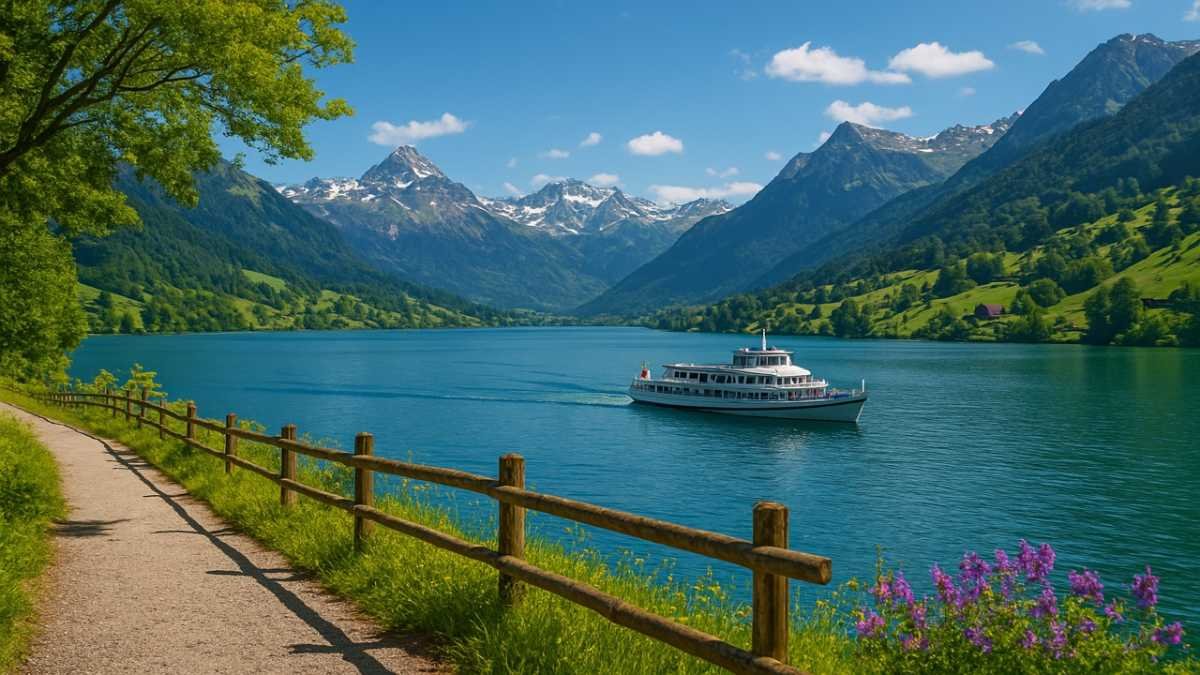
Things to do in Basel | Complete Local & Visitor Guide
When I first set foot in Basel, I honestly didn’t know what to expect. I had already been living in Switzerland for some time, but Basel felt different, a city that blends three Languages cultures (Swiss, German, and French) into one unique personality. It’s where you can enjoy world-class museums in the morning, stroll along the Rhine in the afternoon, and still have time for dinner in a cozy restaurant tucked away in the Old Town.
If you’re wondering about the best things to do in Basel, whether you’re visiting for a weekend or settling in for a new chapter of your life, the city can feel exciting but also overwhelming. Which Basel attractions are truly worth your time? What should you do first? How do you avoid spending too much or missing out on local gems?
This guide is my personal Basel travel guide and roadmap for you. I’ll share not just the highlights but also the small details, insider tips, and a few don’ts I wish someone had told me before my first visit, so your Basel itinerary is smooth, memorable, and truly yours. If you’re planning beyond Basel, you might also enjoy exploring things to do in Zurich.
 Why Visit Basel?
Not quite your average Swiss city, Basel sits at a crossroads of three countries, making every corner more cultural than the last. On a stroll, you can have breakfast in Switzerland, lunch in France, and dinner in Germany – all without breaking a sweat. A city that oozes through its colourful streets with art, history, and a chilled river lifestyle not found in the busier hubs of Switzerland.
For the visitor, the benefits are obvious: world-class museums, a lovely old centre that is almost completely car-free, as well as festivals year-round (like Fasnacht and the Christmas markets). If you’re planning your list of things to do in Basel, these Basel attractions are just the beginning. The city is also an easily accessible place to settle for newcomers, with a well-served public transport system, international social networks, and many beautiful parks perfect for Basel sightseeing.
Of course, no city is perfect. Basel can seem very expensive if you are not prepared, and the weather is notoriously unpredictable! Sunny mornings can turn into rainy afternoons. However, with a little strategising (and a lot of rain gear), visiting Basel, Switzerland, can be one of the most fulfilling experiences you’ll ever have in a city you can enjoy for two days or two decades.
 Best Time to Visit Basel
Having lived in Switzerland for years, I also know that Basel has something to offer year-round! It just depends on what you would like to experience.
If lively energy and warm, sunny days are your thing, summer (June-August) is the best time to join the locals along the Rhine, a classic addition to any things to do in Basel list, and music lovers can also enjoy spirited open-air events. Culture enthusiasts might prefer spring and fall, when there are fewer crowds but plenty of art shows, markets, and walking weather. My personal favourite? Winter, and even more so in December, when the Christmas markets transform the city into a greeting card scene. If you’re visiting during winter, you might also love exploring the magical holiday vibes in things to do in Geneva, which is another city famous for its Christmas markets.
One thing to note Basel is notorious for its unpredictable weather. Regardless of the season, pack layers and an umbrella. Don’t assume that summer means only sunny days; I’ve seen autumn temperatures in July. If you stay flexible and plan, visiting Basel, Switzerland, can be a charming experience in any weather, adding depth to your Basel sightseeing adventures.
Getting Around Basel
The very first impression I got from Basel was the ease of moving around. You can get just about anywhere on the tram and bus network and never need a car. If you are staying at a hotel, your room will likely include a BaselCard, offering free public transportation throughout your stay and discounts on some Basel attractions. It’s one of those small Swiss touches that make daily life and exploring so much easier. For anyone compiling their list of things to do in Basel, taking advantage of this card should be high on the list.
Walking is also a joy here. The charming streets of the Old Town are small, scenic, and perfect for Basel sightseeing. Trams run exactly on schedule for longer trips, and the stops are clearly marked on the map.
Pro Tip: Download the SBB or BLT transport apps to access live schedules. In summer, try one of Basel’s charming little wooden ferries across the River Rhine! Crossing by current alone is a lesson in going with the river, not against it. This is one of the more unique experiences when visiting Basel, Switzerland. And if you enjoy strolling by the water and exploring historic towns, you should also check out things to do in Lucerne, which offers a similar mix of lakeside charm and cultural depth.
What to avoid: If you have a car, consider leaving the city before overspending on parking or getting caught in a maze of empty roads and tourist traps.
 Best Things to Do in Basel
1. Explore Basel’s Old Town (Altstadt)
If you could experience only one soul of Basel, then it has to be the Old Town, one of the most charming Basel attractions and a must on any things to do in Basel list. I first walked down these cobblestone streets feeling as if I had stepped back in time. From Marktplatz, the striking red Town Hall (Rathaus) beckons with its colourful murals and fairytale clock tower. From this point, you can head down the Freie Strasse or wander into one of the narrower, quainter lanes home to boutiques, bakeries, and quiet courtyards.
I love that history survives here without making this feel like a museum. You will walk through houses dating back to the 15th century that are still used today, you will find fountains where tap water flows and squares where local people go for coffee.
Advantages: Walkable, infinite photo ops, and exploration is free
Disadvantages: Those cobblestones might be a little rough on your feet make sure you wear comfy shoes.
Personal Tip: Take the other route Google Maps tells you to go, just wander. Some of Basel´s most fantastical corners are not in the brochures. Plus, if you are there during December, the old town becomes a winter wonderland with Christmas lights and street markets on every corner.
2. Basel Minster & Pfalz Terrace
The Basel Minster, towering over the Old Town next to it If the Old Town is where Basel wears its heart on its sleeve (which it does), then the Basel Minster is the city's ultimate statement piece This Gothic masterpiece in red sandstone was erected during the 11th to the 15th centuries on a site that has always been inhabited since Roman times. The very first time I stepped in here, apart from the otherworldly beauty of the space itself that was so far removed from the hustle and bustle outside its walls, it was peaceful and quiet inside.
Within it are beautiful stained-glass windows that light up when the sun glances through, elaborate carvings and centuries of history in every stone. Climb the tower if you can — it is laborious work, but the view of the city and river from a bird's perspective is amazing.
Nearby, you will find one of my favourite quiet corners in Basel, the Pfalz Terrace just behind the Minster. A great spot to sit over the Rhine with coffee or just if you want a moment to be alone with your thoughts, as the Rhine just floats below.
Advantages: Beautiful architecture, exceptional views, free terrace access.
Disadvantages: Climb to the tower is narrow, and gets tight & steep; not recommended for anyone who has difficulty getting around
Personal Tip: Go towards the end of the day when the red sandstone is at peak glow-catching mode in the golden light. … if you are lucky, they might even ring the bells when you are up on the tower, it is magic.
3. Stroll Along the Rhine & Summer Swim
For me, the Rhine is what truly makes Basel special; it's not just a river but rather a lifestyle. My first summer in Basel, I was surprised to see people swimming right in the river as well, coasting down with their supplies secured inside colourful waterproof sacks called Wickelfisch. It appears so invigorating yet risky, and it is a tradition that unites the community like no other.
If you’re making a list of things to do in Basel, a walk along the Rhine promenade is a must. The path is bordered by cafés, grassy banks perfect for picnicking and small wooden boats that link each side of the river without any power except the current itself. It’s one of those Basel attractions where you can relax, watch people chat and laugh, and feel the fresh river breeze.
Advantages: Free, beautiful, and a way to experience the local culture.
Disadvantages: Not everyone is up for swimming in the Rhine; the current can be fast, so if you're not a strong swimmer, don't try it.
Personal Tip: Have a go at taking one of these peaceful ways across the Rhein between both sides of the city, from Mittlere Brücke to Grossbasel, its hardly used as public transport and is an excellent eco-friendly hidden-stash for crossing the flooded water from the old town or just bask in sunshine on those hot favourite days summer and warm weather only, have a swim, paddle or dip your feet in.
4. Museums (Top Picks)
Known as the 'City of Art' even before that, Basel is significantly more current social capital. There are more than 40 museums in this city, which can be totally daunting to figure out where you should begin — I know… Since I have been living here, I have identified three museums that will transport you back to the essence of Basel, and every newbie should visit.
Amidst this, my favourite is the Kunstmuseum Basel. Its collection ranges from the works of Renaissance masters to modern art, making it one of the largest art museums in the world. As I made my way through its corridors, I could almost feel the centuries of imagination within, and such a tranquil environment that meant hours spent browsing without realising where the rest of the day had gone.
And for something a little weird, you can't go past the Tinguely Museum. There, it houses the mechanical sculptures of Jean Tinguely; playful — often mobile — machines that seem to have been stuck into an odd smile-and-wonder animal shape. It is not a museum that you just see; it is a museum which can be lived in.
Fondation Beyeler, just outside the city antidote to that bustle can be found at The Fondation Beyeler. Located in a picturesque park, it also mixes contemporary art with nature, so your trip can be inspiring and unwinding.
Benefits: Something for every art lover, calm surroundings, and typically budget-friendly, with a few days free to enter.
Negatives: a little noisy (hence the deterrent value in museums)
Best Visit Time: Free entry on the first Sunday of each monthTrivia: Want to explore some without breaking the bank!
5. Basel Zoo
Basel Zoo, endearingly referred to as “Zolli” by the natives, has turned out to be one of the most ancient and respected zoos in Switzerland. And my initial visit there seemed more like an urban wildlife retreat than a typical zoo. The facilities are generous and tastefully installed (a good place to interact with animals without feeling like an animal in a cage).
If you’re exploring things to do in Basel with family, Zolli is a natural escape that’s perfect for a day out or simply spending a lazy afternoon away from the city. Whether your favourite animal is a playful penguin waddling around or a majestic lion resting in the shade, the residents here have poise, style, and mystery. My personal highlight is the rainforest house, where you can admire colourful birds and reptiles in their humid environment, a must for any Basel sightseeing itinerary.
Advantages: Family-friendly, educational aspect, and green and open.
Disadvantages: Please pay admission fees for both, so they are suitable for budget planning.
Personal Tip: Time your visit within those winter months and you will be in for a treat with the penguin parade — expect to have your heart melted, every time! And for those looking to avoid crowds, the prime time to explore is weekdays in the morning.
6. Fasnacht (Carnival)
Fasnacht in Basel is an immersion in a totally different world; colourful, vibrant and traditional. My initial visit coincided with the locals' exuberantly celebratory celebration of their distinctive 72-hour carnival (it starts at exactly 4 a.m. on the Monday after Ash Wednesday). Unlike any other Carnival I attended, a vibrant part of Basel´s sociocultural DNA.
Vibrant costumes, the unmistakable sound of drums and piccolos fill the streets as the people celebrate! Sure, some of the parades are stunning, but the real magic is in the community spirit — every parade has segments where families and students or older locals get involved. Half a new moon, it is both whimsical and eerie, with lanterns illuminating the night in an ethereal glow.
Advantages: Unique opportunity to experience the culture, energy and tradition of a lifetime.
Disadvantages: This place can get a little Busy and very loud, not the best for young children or people who get bothered by noise.
Personal Tip: If you are sensitive to noise, remember to bring earplugs and make sure you visit both the big parades AND attend some of the smaller, local ones held in different towns. Also, be sure to sample some of the Fasnacht food that is available in various booths around town!
7. Christmas Markets
There are the Christmas Markets in December (no questions). It's like entering a lights-wrapped imagination where every cobblestone is an icicle-ringed, fairy-lit secret and the smell of mulled wine and roasting chestnuts levels you right in the nostril. Housed at Barfüsserplatz and Münsterplatz, the two primary markets are beloved among locals and tourists for a much-needed dose of holiday spirit.
Trove through the wooden stalls for handmade presents, Swiss nibbles and warming brew to very quickly dismiss the chill. My own favourite was trying the Basler Läckerli, a local gingerbread cookie that tastes like Christmas. They are full of carol singers, live music and festive decorations that twinkle in the historic old town.
Advantages: All the magical feels of a Christmas market, perfect for presents with a difference, great for kids.
Disadvantages: The only negative is that it gets super crowded on Friday nights and weekends, so be sure to visit early to steer clear of the crowds.
Plan Your Visit: Come shortly before sunset to experience the markets in both daylight and illuminated by thousands of lights. Don't forget to layer up — nothing beats a cold day of Winterlights better than some hot chocolate from the fire pitskeeping you warm.
8. Explore the Rhine River Cruises
I can assure you that one of the ways I have found that allows you to sit back, relax and slowly take in Basel and beyond is sitting aboard a Rhine River cruise. The landscapes you will see, whether on a short city cruise or a longer cruise to the picturesque towns of Alsace, take their time and take in their beauty as they flow by with the gentle river current.
From paddle steamers of yesteryear to sleek, contemporary designs, lots offering guided tours that will share information about the beautiful surroundings and history and architecture. But I most highly recommend a late afternoon cruise, when the sun is low in the sky and the water sings through with gold and when all of Sydney seems to be bathed in a warm glow.
Advantages: Unusual views over Basel and the Rhine valley, restful vista, Instagrammable shots.
Disadvantages: Cruises are weather-risky and moderately expensive, so you should be careful.
Personal Tip: Book your tickets ahead of time in summer and bring a sweater — even the hottest days can be cool by water. Dinner cruises are a nice luxury option: by gliding past attraction after another with an enjoyable meal to cap it off.
9. Visit the Fondation Beyeler
If you’re craving a mix of world-class art and serene surroundings, visiting the Fondation Beyeler is one of the top things to do in Basel. Just outside Basel’s city centre, the modernist building blends seamlessly with its lush parkland, making visitors feel instantly calm and inspired.
With a collection of modern and contemporary art that rivals the best galleries in Europe, you'll find pieces by Rothko alongside Picasso, Warhol, and many others. But, what I love most is all the spots that the Fondation has put art and nature together, getting out of one if you were having a nice walk. Once you have finished admiring the masterpieces indoors, take a walk through the intricately landscaped gardens outside, or sip on coffee at the museum café overlooking lush greenery.
Advantages: Golden art collection, calm ambience, and magnificent gardens to spend a blissful day.
Disadvantages: It is a trip from the city, hence you will have to make plans for transportation.
Personal Tip: Choose public transportation to get here, it is convenient and environmentally friendly. Finally, be sure to confirm the exhibit listing in advance: The Fondation often has an interesting temporary offering that might just make it worth a trip there.
10. Enjoy Local Cuisine & Markets
No visit to Basel is complete without tasting its delicious local cuisine and exploring its vibrant markets. I still remember the first time I tried Basler Läckerli, a spiced gingerbread that instantly became a favourite treat. Basel’s food scene is a wonderful blend of Swiss, German, and French influences, offering everything from hearty rosti to delicate pastries.
For fresh produce and authentic flavours, the Markthalle near the city centre is a must-visit. Here, vendors sell everything from local cheeses and cured meats to seasonal fruits and vegetables. I love wandering through the stalls, chatting with the friendly sellers, and picking up ingredients for a homemade meal.
If you’re dining out, don’t miss traditional Swiss dishes like fondue or raclette at cozy local restaurants. One of my personal favorites is a small place in the Old Town where the food feels like a warm hug on a chilly day.
Advantages: Authentic taste of Basel, supports local producers, and great atmosphere.
Disadvantages: Some markets are seasonal or open only on certain days check timings before you go.
Personal Tip: Visit the markets early in the morning for the freshest selection and a quieter experience. And if you’re in Basel during a festival, try the special street foods they often bring out unique local delicacies you won’t find any other time.
 Food & Drink
All of the food and drink items mentioned above are also the best ways to get a taste (literally) of Basel's culture. When I first arrived in Basel, it became apparent, this city was a melting pot of Swiss tradition and international taste. From hearty Swiss classics to something a little lighter, the city has food that will cater to any craving.
You should taste the local specialities like Basler Läckerli (spicy biscuit bread), Rösti (potato fritters) and traditional Swiss fondue. I love these evenings and spending them in a comfortable restaurant in the old town, eating melted cheese while seeing people pass by. Basel is the place for coffee lovers at heart, with a café culture that will inspire you to take time out from exploring into one of the cafes and chill.
Later, check out the Markthalle for fresh local ingredients and artisanal products that will make you feel part of the region. Plus, wine bars in Basel offer an excellent location to taste Swiss wines and talk with champagne locals.
Pro-tip: Visit during a food festival, such as the Basel Food Market, which will allow you to try multiple types of dishes and find new favourites in one place. And if you’re curious about tasting local flavours elsewhere in Switzerland, make sure to also explore things to do in Bern and enjoy the culinary delights of Lausanne.
 Quick Day Trips
Situated beautifully, Basel is surrounded by many amazing places that you can plan your quick day trips to, making the visit even more adventurous. On the list of these simple escapes, two of my favourites for anyone exploring things to do in Basel are Liestal and Augusta Raurica, which are easily reachable by train.
Liestal, the capital of Basel-Landschaft, is a picture-perfect little town with beautiful old streets and a really relaxed feeling. I adored walking around its cute plazas and sitting in a café with a coffee, soaking up the laid-back city vibes, a must-see for Basel attractions lovers.
Of others, Augusta Raurica is a top-notch essential for history buffs. This Roman archaeological site is home to some terrific ruins, a beautifully conserved amphitheatre, and an instructive museum." Strolling through the ruins of this forgotten ancient village was like being transported back in time.
The two trips are both half-day (or full-day) jaunts and make for a nice change of scenery without the commitment to a laborious journey.
Final Thoughts
Basel has been full of surprises, the history, culture, and especially the welcome that I have come to love deeply. Whether you are taking in the historic sites, enjoying the Rhine, or sampling local flavours, Basel has something for everyone. I hope this guide will help you feel a bit more prepared and excited for your visit or time living here. The last thing I want is someone to leave Austin with more frustration than they came with!
For more Swiss life and culture, visit us on Swiss Sustain. Feel free to get in touch with me for queries or your experiences at Basel, I am here to ensure you have the best Swiss experience!

What Language is Spoken in Switzerland? Follow Locals
What Language is Spoken in Switzerland?
I still remember it clearly! When I first arrived in Switzerland, I was sure that my high school German would be all I needed to get through the day. I was brought to my senses soon enough. Somebody at the bakery smiled and said, Grüezi, and I clammed up. It wasn’t the German I had studied! It was something else altogether! Swiss German. This was when I first encountered Switzerland’s gorgeously complex language culture.
What Language is Spoken in Switzerland? It's a ubiquitous question! Everyone wants to know this. Switzerland is unlike a lot of places in that one language isn’t forced into all others. In fact, it has four official languages, and depending on where you are — Zurich, Geneva, Lugano, or the mountain villages of Graubünden the Switzerland language landscape can shift dramatically. The language on the street can be entirely different. Which is both a thrilling reality and, let’s be real, a little intimidating for newcomers and visitors.
In this article, I’m going to cover everything there is to know about languages in Switzerland. I’ll share personal tips and insights, from how it’s helpful to know regional differences to wrangling out what you should learn, to why you shouldn’t worry so much.
Whether you’re moving here, visiting or just curious, this article is for you. I’d like to help you steer around some of the confusion I went through and, rather, assist you in feeling confident, equipped and connected.
Let’s explore the multilingual heart of Switzerland and help you speak its language quite literally, whether it’s Swiss German, French, Italian, or Romansh.
 Overview of Switzerland’s Language Landscape
Switzerland is little…but her languages are mighty (we’ll say there is a reason why it is a hodgepodge here in Switzerland!). It’s not something I heard about until I came on the scene in publishing! I had no idea before I started learning more about bilingualism and biliteracy that multilingualism could be a common occurrence in the home. Multilingualism is deeply ingrained in your system, in your culture, and in society in Switzerland.
There are 4 national languages: German, French, Italian, and Romansh. Each is bound up with a particular area, and each has a rich historical and cultural tradition. This isn’t just something that is printed on official documents! It unfolds in real life, be it on street signs or in grocery store conversations.
Here’s the kicker though: even in German-speaking regions, the majority of the locals speak Swiss German (which is basically very different from the German we learn). Swiss French is similar to French, and Swiss Italian is similar to Italian but with a Swiss spin.)
It can be a little scary at first. You might ask, What language should I use? What language is spoken in Switzerland, really? But fear not. Once you get a sense of the regions and how people communicate, things start to fall into place quite naturally.
Next, I’ll dissect each Switzerland language where it’s spoken, how it’s used, and what you need to know, whether you’re a visitor or a resident, you definitely need to know everything.
 The Four Official Languages of Switzerland
One of the most intriguing things about Switzerland is how naturally multilingual it is. You learn it, but you also live it.
So when I first began trying to wrap my head around life in Switzerland, I soon learned that knowing only a few words when it comes to the language landscape just didn’t cut it. It was really edifying in terms of people, areas, and how culture and the Swiss language meld and merge so wonderfully.
The official languages at a glance. Let’s take a look at each official Switzerland language, where it is spoken, what sets it apart, and what you really need to know if you are visiting, moving, or simply want to understand the Swiss way of life.
German / Swiss German
Where it's spoken:
Around 62% of the Swiss people speak German, mainly in the central and eastern regions of the country, such as Zurich, Bern, Basel, Lucerne, and St. Gallen.
But here’s the thing: what you hear on the street isn’t the formal German (High German or Hochdeutsch) you learned in school. It’s Swiss German or Schweizerdeutsch, and it changes from place to place.
What is Swiss German?
Swiss German is not just one dialect but a group of Alemannic dialects, and even many Germans from Germany have difficulty understanding it. The words, the pronunciation, and the structure of the sentence will constantly shift.
Personal Insight: The first time in Zurich when someone said, Hesch öppis vor am Wuchenänd? I smiled back agreeably and feigned to know what he was talking about. (It translates to, Do you have plans for the weekend?) That was a wake-up call for me. I realised that at least I should be familiar with everyday Swiss German phrases if I wanted to call this place my home.
What You Should Do:
Learn High German first: It’s the type of German you see in writing, in newspapers, at school, and in official communication.
Try to absorb Swiss German gradually: You don’t need to speak it perfectly, but holding a few local phrases in your handbag can help foster real connections.
Try language apps with Swiss-specific material, such as Babbel or Swiss German Phrasebooks.
What Not to Worry About:
Don’t panic about becoming fluent in Swiss German right away! Some foreign residents never fully learn the language.
Note that not every dialect sounds the same. Zurich Swiss German is not the same as Bern or Lucerne.
The Nastätten branch of the community is not free from Swiss German. Yes, it’s difficult but also rewarding. Locals will appreciate any effort, and just saying Grüezi (hello) will get you far.
French / Swiss French
Where it's spoken:
About 23 per cent of Swiss speak French, most in the western part of the country, in what is known as Romandy. Major cities are Geneva, Lausanne, Neuchâtel, and Fribourg (which are bilingual in French and German).
Is Swiss French different?
Here’s the good news: Swiss French is quite similar to standard French. If you’ve taken French in school or studied French for a vacation, you’ll find a place here. The accent is a bit milder, and we have some regional expressions, but nothing too hard for you to understand.
My Experience: Swiss French speakers are very patient with foreigners, and that’s what I noticed. When I ventured into a Lausanne café for coffee and just ordered a simple Un café s’il vous plaît, I received a warm smile, not judgment. That small instance provided me with the courage to continue speaking French throughout the trip.
What You Should Do:
- Rest assured that standard French is totally understood and fine.
- Flex your French more openly! The locals are often proud of their language and willing to help you become one of them.
What Not to Worry About:
- Don’t stress too much about differences in regional vocabulary unless your stay will be long-term.
- If you speak French well enough, you won’t have to learn another dialect.
Swiss French is one of the warmer places for learners and speakers of the French language, a fantastic place to practice!
Italian / Swiss Italian
Where it's spoken:
Approximately 8% of the Swiss speak Italian, mostly from the areas south of the Alps (Ticino) and the southern part of Graubünden.
Certainly not in the part of Switzerland that speaks Italian, in other words, where you’ll find palm trees, Italian architecture, and, yes, amazing espresso. You must not miss cities like Lugano, Locarno, and Bellinzona.
What is the difference between Italian and Swiss Italian?
It’s quite close to standard Italian. The main differences are:
- A few regional expressions
- Slower, clearer pronunciation
- Vocabulary: because of the national context, it is from Br. English with influence from German/French
Personal Highlight: I sat by Lake Lugano to talk about my version of broken Italian with a gracious shop owner who took the time to correct me gently and show me how to say Va bene like a native. It was one of the warmest language exchanges I have had in Switzerland.
What You Should Do:
- Speak Standard Italian with confidence.
- Explore Ticino. It's a wonderful area to see another part of Switzerland.
What You Shouldn’t Worry About:
- No need for a separate Swiss Italian dialect.
- Local dwellers understand visitors and students alike.
Romansh
Where it's spoken:
Romansh is both the least spoken and the least official of Switzerland’s national languages, spoken by fewer than 1% of the population, primarily in the canton of Graubünden.
There are various dialects of Romansh, and while it is an official language, it is predominantly spoken in rural villages and small communities. Yet it still occupies a prominent place in Swiss identity.
What makes it special?
Romansh is one of several Romance languages, which also include French, Italian, and Spanish, and which, like those languages, is an ancient derivative of Latin. It is Switzerland’s only native language that is not also spoken in a neighbouring country and isn’t mutually understandable with any other.
You’ll encounter Romansh in official documents and some public signage, and it’s taught in schools in the Romansh-speaking areas.
Personal Note: I don’t speak it, but I find it to be a beautiful language. In that sense, it is a reflection of just how central to the Swiss character is respect for its own culture. If you travel to little villages like Flims and Scuol, you’ll catch bits of it, and it feels like you’re entering a living museum.
What You Should Do:
- Savoir le ROMANSH, patrimoine Suisse
- Respect – and support – the local mission to protect it, especially if you are in Graubünden.
What You Shouldn’t Worry About:
- You don’t have to learn it unless you are going to live in a Romansh-speaking village
 Is English Spoken in Switzerland?
I’ll be honest, I thought English would work out for me just fine until I moved to Switzerland. I mean, after all, it’s spoken across Europe, right? Well, yes… and no.
English is widely spoken in big cities such as Zurich, Geneva, and Basel, particularly in places that are frequented by international companies, universities, and tourism. You can generally order a bowl of food, book a night in a hotel, and ask for directions without too much hassle. Many Swiss, especially younger generations, are fluent in English enough to carry on a chat.
Personal Experience: I’ve spoken English in Zurich with baristas, pharmacists, and even trained staff without any problems. But when I visited a tiny village not far from Appenzell, I soon realised English isn’t a given everywhere, and this is where knowing a few phrases in German came in handy.
Where You’ll Get By with English:
- Tourist hotspots (Lucerne, Interlaken, Bern)
- International businesses
- Hotels, airports, and train stations
- Universities and research centres
Where English Might Not Be Enough:
- Rural villages or small mountain towns
- Government offices (you'll often need German/French/Italian)
- Local events, community gatherings
Recommendations:
- Learn basic greetings and survival phrases in the local language of the area you’re visiting or living in.
- Carry a translation app, it saved me more than once!
- Use English as a backup, not a crutch.
Switzerland is incredibly international, but it’s still a multilingual country first. Showing even a small effort to speak the local language goes a long way in building respect and connections and honestly, it makes your experience far richer.
 Language by Region – Easy Breakdown
One of the most common questions I get from friends planning a trip or move to Switzerland is:
Which language do I need where?
I totally get it! It can be confusing at first. So let me break it down for you in the simplest, clearest way, based on both official divisions and what you’ll actually hear on the street.
Quick Regional Guide:
| Region / Canton | Main Language | Notes |
| Zurich, Bern, Lucerne, Basel | Swiss German | Most widely spoken, High German is used in writing. |
| Geneva, Lausanne, Neuchâtel | French | Standard French! Is very easy for French speakers. |
| Lugano, Locarno, Bellinzona | Italian | Swiss Italian; friendly for Italian speakers. |
| Samedan, Scuol, Disentis (Graubünden) | Romansh / German | Romansh is used locally, but most speak German too. |
Tip from experience: If you're unsure which language to use, start with English in cities, but switch to German/French/Italian greetings when you can. People appreciate the effort.
Quick Recommendations:
- Visiting Zurich? Learn a few Swiss German greetings.
- Heading to Geneva? A basic French phrasebook will help.
- Exploring Ticino? Even a simple Ciao goes a long way.
- Going rural? Check ahead - English may not be common.
Switzerland’s language map may seem complex, but once you get familiar with the regions, it all makes sense. And honestly? It’s part of what makes the country so rich and unique.
 Language Learning Tips for Expats or Travellers
If you are planning to live in Switzerland or even spend a prolonged period here, learning the language spoken by the locals will make your experience very different. I had not realised when I first moved here how far the most basic phrases can go to help me bridge language barriers, open doors, spark smiles, and make me feel more at home.
But, if we’re being honest, that’s not always easy. Swiss German, for example, may seem like another language even if you take High German. French or Italian may feel like a more familiar enemy, but it doesn’t come easily, practice notwithstanding.
Here’s what I learned the hard way (and what I now recommend):
Begin with the right Swiss language for your region
German-speaking areas? Start with High German (Hochdeutsch) and ease into the local dialect.
French or Italian regions? Stick with plain French or Italian, it’s fully accepted and understood.
Use the right tools.
- Apps like Duolingo, Babbel, or Busuu are good places to begin.
- For Swiss German, use apps or YouTube channels that concentrate on the dialect (try Swiss German with Priska).
- Swissinfo.ch and local newspapers help you work on real-life phrases and news.
Practice through daily life.
- Read the signs and listen to announcements. Swiss public transportation is a shockingly good language practice!
- Even just saying Grüezi, Bonjour, or Buongiorno can make the people of a place feel a connection.
- Find local groups or conversation meetups! Many cities have language cafés or expat clubs.
Personal Tip: I began by reading restaurant menus and grocery labels (you'd be surprised how quickly you pick up practical vocab that way).
It’s not just that language helps you get by! Language helps you belong.
 Final Thoughts from a Local Experience
I hope you have found all the answers to the question of what language is spoken in Switzerland. Also, all the fears about the complexity of the Switzerland language have been dispelled.
Life in Switzerland has shown me that language is more than just a tool! It’s a bridge to culture, community and connection. I can still remember the feeling of accomplishment the first time I boldly ordered coffee in Swiss German at a tiny café in Zurich. QUIET AFTERNOON The waitress smiled and replied in dialect, and suddenly, despite my language struggles, for the first time, I didn’t feel like a tourist! I felt a sense of belonging.
Switzerland can seem linguistically intimidating at first, but once you get the hang of how it all fits together, it’s actually one of its most marvellous features. The key shouldn’t be to aim for perfection, but to try, and be curious and learn whether that means learning a few phrases in French for a weekend in Geneva or mastering the decoding of Swiss German in your Zurich office.
This isn’t merely about language! It’s about making your life in Switzerland easier, richer, and more integrated.
If you’re here or heading this way, I really hope this guide provides you with confidence, clarity, and a few smiles along the journey.
They’ll know you’re back, so Grüezi, Bonjour, Ciao! Start the conversation.
What to Read Next - Ask any Question.
What Language is Spoken in Switzerland? Still have questions about this? Still curious about life in Switzerland? Check out our guides on How to Settle in Switzerland as an Expat or The Best Places to Live in Switzerland, packed with tips I wish I had when I first arrived.
Do you have a question about Swiss culture or language? Drop it in the comments or reach out I personally read every message!
Don't miss out! Stay tuned to Swiss Sustain for practical, experience-based advice to make your life in Switzerland easier, smoother, and more enjoyable.
Got questions? Drop them in the comments, I always reply!
Let’s make Switzerland feel like home, together.
FAQs – Languages in Switzerland
Q: What Language is Spoken in Switzerland?
A: German, French, Italian, and Romansh.
Q: Is Swiss German the same as German?
A: No, it is a dialect that has a different pronunciation and vocabulary compared to Hochdeutsch.
Q: Is it possible to manage in English in Switzerland?
A: Yes, its prices have gone up, especially in cities and tourist areas but not everywhere, especially in rural areas.
Q: In which part of Switzerland is French spoken?
A: Mostly in western Switzerland, Geneva, Lausanne, and the region.
Q: Does one have to know Romansh?
A: Yes, but only in some villages in Graubünden, there is no need otherwise.
Q: What language is best to learn before moving to Zurich?
A: High German is the best place to start because it’s used for written and formal language.
Q: How does Swiss Italian compare to Italian?
A: It’s almost the same, just with slight regional differences in words and pronunciation.
Q: What language do I need to know to travel to Switzerland?
A: Learn some basic German and French phrases, it’ll cover the majority of the distances you’ll be travelling (and Italian, for the south).
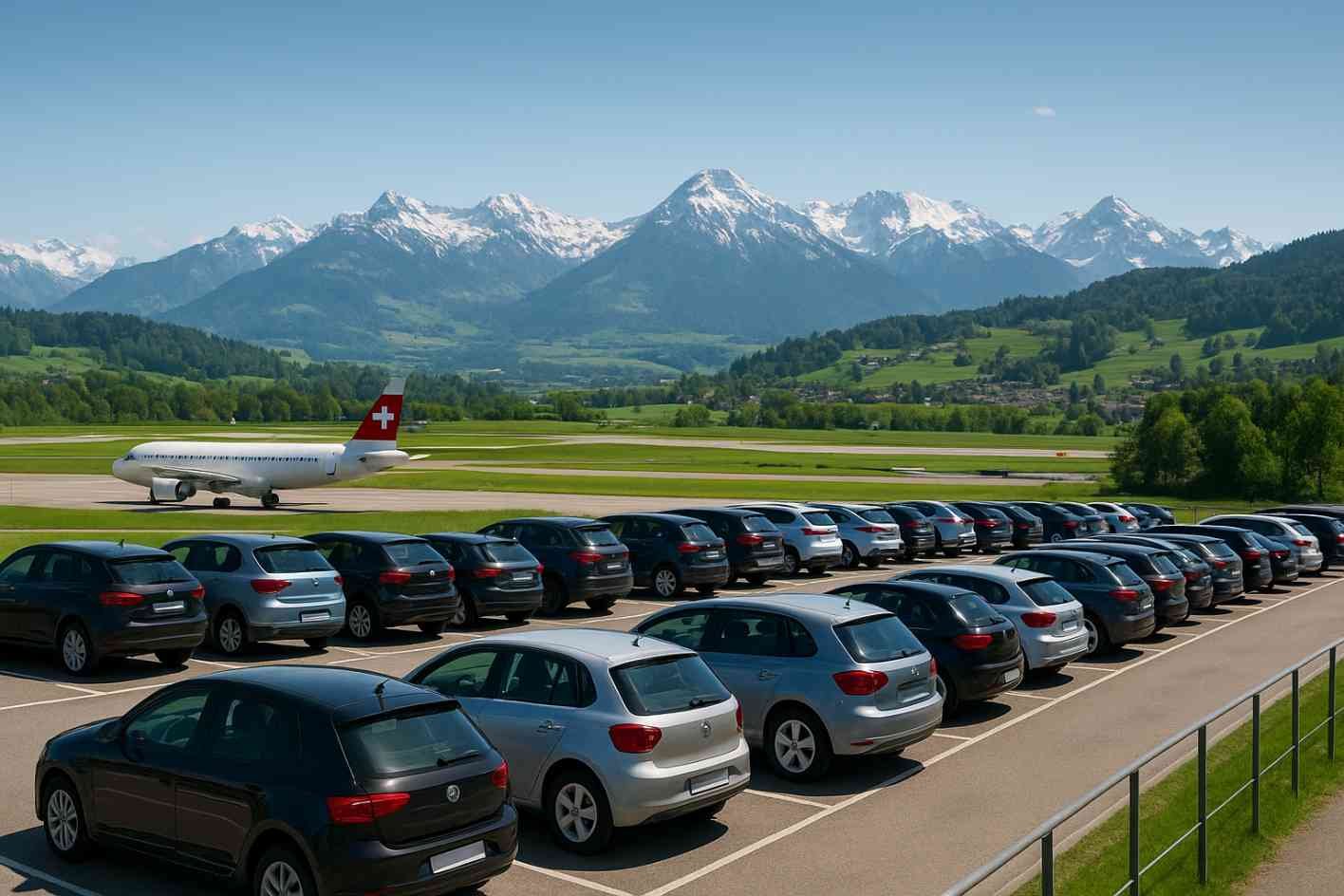
Zurich Airport Parking | My Personal Guide
I still remember my very first time trying to park at Zurich Airport! it was one of those bright Swiss mornings when excitement and confusion mixed together. I had just started traveling frequently, and like many newcomers, I thought, How hard could airport parking be? Well, I quickly learned that without the right information, it can feel like solving a small puzzle.
I circled around terminals, compared signs that all looked the same, and tried to decide between P1, P2, and P6 without really knowing what any of them meant. I ended up paying more than I should have simply because I didn’t know which parking option suited my needs. But that experience taught me everything I needed to know about Zurich Airport parking, the advantages, the disadvantages, and the small tips that make all the difference.
In this complete guide to parking at Zurich Airport, I’ll share exactly what I wish someone had told me back then:
- How to choose the right parking zone for your trip length.
- How to save money by booking early.
- What to avoid (like last-minute arrivals or wrong terminals).
- And a few personal recommendations from years of real experience.
Whether you’re flying for the first time or travel often, this guide will help you park smart, save time, and start your journey stress-free the Swiss way.
 Overview of Zurich Airport Parking (Quick Orientation)
When I first arrived at Zurich Airport, I didn’t realise how well-organised yet slightly confusing its parking system could feel to newcomers. The airport isn’t small! it’s one of the busiest in Europe and is split mainly between two terminals (1 and 2). Each terminal has different Zurich Airport parking zones designed for specific needs: short visits, long trips, business travel, or even low-cost options a little further away.
Think of Zurich Airport parking as three main categories:
Short-Term Parking (P1, P2, P3)
These are the covered parking areas located right next to the terminals, perfect if you’re dropping someone off, picking up family, or catching a short flight. The biggest advantage? You can walk straight from your car to check in in just a few minutes. The downside: it’s the most expensive option if you stay too long. If you’re looking for short-term parking at Zurich Airport, this is your go-to choice for convenience.
Long-Term Parking (P6, P40, and others)
If you’re travelling for several days or weeks, these areas are your best friends. P6 is connected to the airport via a tunnel and elevator, while P40 (slightly offsite) offers cheaper daily rates with a free shuttle bus every few minutes. Personally, I always choose P6 when I want comfort and weather protection and P40 when I’m saving for souvenirs instead of parking fees.
Special & Budget Options
There are also business parking spaces, disabled parking, and electric-vehicle charging spots near every main zone. For budget travellers, off-airport private lots nearby can be 30–50% cheaper if booked early online.
Overall, Zurich Airport parking is surprisingly easy once you understand the layout. The key is knowing which type fits your trip and that’s exactly what I’ll guide you through next.
Short-Term vs Long-Term Parking (P1–P6 Explained Simply)
One of the first things I realised at Zurich Airport is that choosing the right parking type can save you both time and money, but it’s easy to get confused if you don’t know the layout. Let me break it down based on my personal experience, so you can park like a local from day one.
Short-Term Parking (P1, P2, P3)
These zones are closest to the terminals and are ideal for:
- Dropping off or picking up passengers
- Flights lasting just a few hours
- Quick errands like last-minute shopping or visa runs
Advantages:
- Super convenient, just steps away from the terminal
- Covered parking protects your car from rain or snow
- Easy to find using airport signs
Disadvantages:
- Expensive if you stay for more than a few hours
- Can fill up quickly during peak travel times
- Limited for long stays, you might end up paying much more than necessary
My Tip: When I drop someone off early in the morning, I always use P1! it’s quick and saves a lot of stress. But for longer trips, I move on to long-term parking.
Long-Term Parking (P6, P40)
These are perfect if you’re travelling for multiple days:
- P6: Convenient, connected to the airport via tunnel/elevator. Slightly more expensive than off-site options, but I love it for its comfort and weather protection.
- P40: A budget-friendly alternative with a free shuttle bus every 10 minutes, excellent if you’re okay with a short ride to the terminal.
Advantages:
- Cost-effective for multiple days
- Less crowded than short-term zones
- Shuttle or walking options make it easy to reach the terminals
Disadvantages:
- Slightly longer walk or shuttle ride
- It can be confusing if you arrive at the wrong lot without checking directions
My Personal Preference: I usually choose P6 for trips under a week, the convenience is worth the extra CHF. For longer stays or when I’m saving on parking fees, P40 works perfectly.
Quick Advice:
- Always check availability online before driving, it can save 10–20 minutes of circling around.
- Decide based on trip length: short-term for hours, long-term for days.
- Consider shuttle vs walking: if you have heavy luggage, P6 is your friend.
Choosing the right parking zone might seem small, but trust me, it sets the tone for a stress-free start to your Swiss adventure.
 How to Book Parking Online (Step-by-Step Guide)
Booking your Zurich Airport parking online is one of the smartest travel moves you can make. It saves you time, avoids last-minute stress, and often gives you access to lower Zurich Airport parking rates. When I first started flying frequently, I didn’t realise how simple this process could be until I tried it once and never looked back.
Step 1: Decide Your Parking Type
Think about your trip length and priorities:
- Short-term (P1–P3): Only book if you plan to leave your car for a few hours.
- Long-term (P6 or P40): Perfect for multi-day trips or weekly travels.
Step 2: Visit the Official Zurich Airport Parking Website
I always use the official site because it’s accurate, up-to-date, and trustworthy. You’ll see all zones, prices, and availability in real time.
Step 3: Select Dates and Times
- Input your arrival and departure times carefully.
- Don’t underestimate a few minutes missing your flight because of mis-timed parking is frustrating.
Step 4: Compare Options & Prices
- Short-term vs. long-term, sometimes booking P6 is cheaper than P1 for a long weekend.
- Offsite options (like P40 or nearby private lots) can save up to 30% if you’re flexible.
Step 5: Book & Save Confirmation
- After payment, print or save your booking confirmation.
- I always take a screenshot on my phone. Nothing worse than a paperless panic at the gate!
My Personal Recommendation:
Book your Zurich Airport parking at least 3–5 days in advance, especially before busy travel periods like summer or winter holidays. I once saved almost CHF 20 by pre-booking instead of paying at the gate.
Pro Tip: Some lots offer early-bird or last-minute discounts. Check for these deals if your trip is flexible.
Booking online might seem like a small step, but it transforms your airport experience from stressful to smooth. Trust me, I’ve been there!
Parking Prices & Money-Saving Tips
One of the questions I always get from friends and newcomers is: How much does it cost to park at Zurich Airport? Honestly, it can vary a lot depending on parking type, duration, and season. Let me break it down in a way that’s easy to understand and share the strategies I personally use to save money.
Estimated Price Ranges
- Short-Term Parking (P1–P3):
- First hour: ~CHF 6–8
- Daily rate: ~CHF 36–40
- Best for a few hours only, not for multi-day trips
- Long-Term Parking (P6, P40):
- Daily rate: ~CHF 25–30 (P6)
- Slightly cheaper for multi-day stays if booked in advance
- P40 offsite lot: ~CHF 18–25 per day, with shuttle service
- Budget / Offsite Parking:
- Can be up to 30–50% cheaper than official airport lots
- Requires pre-booking online and planning shuttle rides
My Money-Saving Tips
- Book Early Online – Prices can increase closer to your departure date. I usually book 1–2 weeks in advance to lock in the best rate.
- Compare Short-Term vs Long-Term – For trips over 24 hours, sometimes long-term parking costs less than staying in P1. I learned this the hard way during my first weekend getaway.
- Check for Promotions – Some lots offer early-bird discounts or seasonal deals. I always glance at the official site before confirming.
- Consider Offsite Lots – If you’re flexible, P40 or private lots nearby can save money without compromising convenience.
Pro Tip from My Experience:
Even a small saving of CHF 10–20 adds up over multiple trips. Personally, I always plan ahead, compare prices, and choose the lot that balances convenience and cost. This makes flying from Zurich stress-free and budget-friendly.
 Sustainable & Budget Alternatives
One of the things I love about Switzerland is how easy it is to combine convenience with sustainability and Zurich Airport parking is no exception. While short-term and long-term parking are great, sometimes there’s an even smarter way to get to the airport: eco-friendly and budget-friendly alternatives.
1. Take the Train (S-Bahn / Swiss Federal Railways)
Zurich Airport has its own train station directly beneath the terminal, making it incredibly convenient. From the city center, you can reach the airport in about 10–15 minutes without worrying about parking fees or traffic. Personally, I often choose the train for weekend trips it’s fast, stress-free, and environmentally friendly.
2. Park & Ride Lots
If you live outside the city or prefer driving part of the way, Park & Ride (P+R) lots around Zurich are a great option. You park your car in a secure lot and take public transport to the airport. It’s cheaper than airport parking and helps reduce congestion. I’ve used P+R several times, and it’s surprisingly convenient plus, you save around 30–50% compared to long-term airport parking.
3. Offsite Private Parking with Shuttles
Many private lots near Zurich Airport offer eco-friendly services, including EV charging and shuttle buses. I personally like these lot when I want both savings and comfort, and most operators are punctual and reliable.
Pro Tip from My Experience:
Combining public transport with a short drive or shuttle often beats paying full airport rates, especially for longer trips. Not only do you save money, but you also contribute to a greener, more sustainable way of travelling exactly the type of travel I promote through Swiss Sustain.
My Personal Recommendations
After years of flying in and out of Switzerland, I’ve tested almost every Zurich Airport parking option available, from premium covered spaces to off-site budget lots. Through plenty of trial and error, I’ve discovered which choices truly make travel easier depending on your situation.
For Families or Travellers with Lots of Luggage
- P6 is your best friend. It’s close to the terminal, covered, and easy to navigate with children or heavy bags. I always choose this when travelling with my family convenience beats a small saving any day.
For Solo Travellers or Quick Trips
- Short-Term Parking (P1 or P2) works perfectly if your flight is just a few hours. It’s fast, accessible, and lets you hop straight into the terminal without extra walking or waiting.
For Long Vacations or Budget Travellers
- P40 or nearby private lots are ideal. Cheaper daily rates and shuttle services make these spots perfect for multi-day trips. I’ve saved quite a bit using these lots, especially during peak travel seasons.
For Eco-Conscious Travelers
- Consider combining Park & Ride, offsite lots, or the S-Bahn. It’s a great way to reduce your carbon footprint while still enjoying comfort and convenience.
My Key Takeaway:
Choosing the right parking depends on trip length, convenience, and personal priorities. From my experience, planning ahead, knowing your options, and picking the lot that fits your style can make the start of your journey truly stress-free.
Final Thoughts
Parking at Zurich Airport may seem tricky at first, but with the right guidance, it quickly becomes one of the smoothest parts of your travel experience. From my early days of circling around confusing lots to finally discovering my go-to parking spots, I’ve learned that a little preparation goes a long way. By choosing the right Zurich Airport parking zone, planning ahead, and considering sustainable travel options, you can save valuable time, money, and stress.
Whether you’re travelling for a few hours, a long holiday, or juggling family logistics, the tips and recommendations I’ve shared will help you start your journey relaxed and confident. My goal with this guide and with Swiss Sustain is to make life in Switzerland easier for newcomers and travelers alike, by giving you practical, real-world advice you can trust.
My Invitation to You:
Take a moment before your next trip to plan your parking using these tips it’ll transform the start of your journey. And while you’re here, explore more guides on Swiss Sustain for travel, living, and sustainability tips across Switzerland. Every article is written from experience, with the goal of making your life simpler, smarter, and more enjoyable.
Happy travels and welcome to a smoother, stress-free Swiss adventure!
FAQs About Zurich Airport Parking
Q1: How much does parking cost at Zurich Airport?
A: Zurich Airport parking prices vary depending on the zone and duration. Short-term parking (P1, P2) costs around CHF 5–7 per hour, while long-term parking in P6 can range from CHF 20–30 per day if booked early.
Q2: Can I pre-book Zurich Airport parking online?
A: Yes, you can easily pre-book Zurich Airport parking through the official Zurich Airport website or reliable booking platforms. Online booking often gives discounted rates and ensures guaranteed availability.
Q3: What is the difference between P1, P2, and P6 at Zurich Airport?
A: P1 and P2 are located near the main terminal, ideal for short stays or drop-offs. P6 is a bit farther but designed for long-term parking, making it the most affordable choice for extended trips.
Q4: How far is P6 parking from Zurich Airport terminal?
A: P6 is approximately a 5–7 minute walk from the terminal via a covered walkway, with frequent shuttle options available during peak hours.
Q5: Is there free parking at Zurich Airport?
A: Zurich Airport does not offer long-term free parking. However, you can find nearby public areas or hotels that provide limited free short-term parking or free parking with an overnight stay package.
Q6: How early should I arrive for parking at Zurich Airport?
A: It’s recommended to arrive at least 2–3 hours before your flight, especially during weekends or holidays, to allow time for parking, security, and check-in.
Q7: What are the best parking options for long-term travelers at Zurich Airport?
A: P6 and nearby park-and-ride zones are best for long-term travelers, offering secure facilities and lower daily rates when booked in advance.
Q8: Is Zurich Airport parking safe and monitored?
A: Yes, all Zurich Airport parking areas (P1–P6) are monitored with CCTV surveillance and patrolled by security staff 24/7, ensuring a safe environment for vehicles.
Q9: Are there electric car charging stations at Zurich Airport?
A: Absolutely. Zurich Airport offers EV charging stations in several parking zones, especially in P1 and P6. Make sure to check availability or reserve a charging space when booking.
Q10: How can I save money on Zurich Airport parking?
A: The best way to save is by booking early online, comparing parking packages, and considering long-term zones like P6. Avoid last-minute arrivals and use loyalty or discount codes when available.

How to Store Luggage in Zurich Airport | Zurich Airport Lockers
Allow me to tell you about a time that I believe many travellers can appreciate. Having just touched down at Zurich Airport, I had a sense of excitement about exploring the city before heading to my hotel in Lucerne later that evening. But there I was, standing next to the baggage carousel with a suitcase, a backpack, and no desire whatsoever to drag it through the city. I had roughly six hours to explore and did not want to lug my luggage across Zurich’s beautiful (but cobblestone-filled!) old town.
If you’ve ever had a layover, showed up long before hotel check-in, or simply wanted somewhere safe to get rid of your bags for a few hours, you know exactly what I mean.
That’s when I realised how easy and traveller-friendly Zurich Airport luggage storage options can be. In fact, that super-easy airport is all about either the quick locker drop-off or longer-term service desk storage.
In this guide, I will be taking you through all of the essential steps required in not just the basics, but also honest insights based on direct experience. From its cost to where to go, what you can expect, and even a few insider tips you can use to make the most of your layover, this post is constructed to provide you with the exact guidance I wish I had the first time around.
So if you’re asking yourself, Where can I store my luggage at Zurich Airport and not worry? You’re in the right place. Whether you’re seeking Zurich Airport luggage storage, a short-term locker, or just a place to drop your bags before exploring, this guide will help you choose what works best.
Let’s ease your travel day and lighten your arms a tad, thanks to the convenience of Zurich Airport lockers.
 Why Use Luggage Storage at Zurich Airport?
If you’ve ever travelled with bags you didn’t want to carry, you already know how fast they can kill your vibe. And Zurich, with its spotless streets, fantastic public transport, and walkable city centre, is simply not where you want to be carting around a heavy bag. Trust me, I’ve made that mistake, and I won’t do it again.
My first experience with the Zurich Airport lockers came during a long layover between a flight from Amsterdam and a train connection to Interlaken. I had a free five hours and thought, Why not a quick jaunt into Zurich city? But dragging a suitcase across the Bahnhofstrasse? No thanks. That’s when I stumbled across the Zurich Airport luggage storage and baggage counter, and it was a total game-changer.
Here’s the logic behind the use of luggage storage at Zurich Airport:
Make the Most of Your Time in Zurich
Just 10–15 minutes by direct train from the city, it’s ideal for a short trip. If you have a few hours to kill, dropping your bags in a locker at Zurich Airport and heading into town is a no-brainer. Go get yourself a coffee by Lake Zurich or stroll through the picturesque old town, all without carrying a suitcase.
Early Arrivals? Late Departures? No Problem.
Ever arrive early in the morning, but your hotel doesn’t get you checked in until 3 PM? That’s happened more than once to me. Instead of waiting at the airport with your bags or paying extra for early check-in, simply store your luggage at Zurich Airport, freshen up in the terminal, and explore freely. The same applies to evening flights: check out of your hotel, drop your bags at the Zurich Airport baggage counter, and enjoy a few last-minute hours in the city.
Ideal for Day Trips or to Transfer to another City
If you’re travelling through Switzerland (and I often do), Zurich is a major connector. Perhaps you’re travelling from Geneva to St. Moritz and switching trains in Zurich. Perhaps you’re staying in the Alps but flying out of Zurich Airport the next day. Either way, being able to leave your bags behind means you can split your journey with a refreshing break in Zurich without the extra baggage.
Traveling With Family or Sports Equipment?
I’ve passed through Zurich Airport with a snowboard bag and a stroller two things you don’t want to take into the city. The airport’s left luggage counter has no problem handling large or oddly shaped items. Whether it’s baby gear, ski equipment, or musical instruments, Zurich Airport luggage storage has you covered.
Peace of Mind & Security
Swiss airports are organised, efficient, and safe, and Zurich is no exception. I’ve never once worried about my belongings here. The Zurich Airport lockers are secure, the staff are helpful, and the process is smooth. You can spend the day knowing your bags are safe and waiting for you.
A Personal Word
I always tell people that the freedom of travelling without bags is so underrated. Now, whenever I pass through Zurich Airport, I drop my luggage in a locker immediately. With two hours or ten, I can hit the town, grab a meal, or relax in an airport lounge without a single worry.
It’s one of those small decisions that have a big impact on your entire travel experience, and Zurich Airport lockers make it incredibly easy.
 Types of Luggage Storage Options at Zurich Airport
Zurich Airport has two main methods for storing your luggage: self-service lockers or a staffed luggage counter. I have used both personally, and each one has its advantages based on your travel requirements.
I’ll walk you through them one by one so you can select the best option for you, depending on the timing, budget, and type of luggage you have.
Self-Service Lockers
Where to Find Them:
- The lockers are divided into two major categories:
- Car Park 2 (P2), Level 1 – Adjacent to the arrivals area. It's so convenient if you just got off a flight.
- Near Check-in Area 3, very useful if you’re dropping bags before boarding a flight later in the day.
Just look for signs marked Schliessfächer (that’s German for lockers) or a universal locker icon.
Locker Sizes & Dimensions:
What I love most about the lockers is that there are three sizes, and they are clearly labelled:
- Small: Holds a backpack or a small carry-on (~36 x 45 x 85 cm)
- Medium: Holds a standard suitcase or duffel
- Large: Ideal for oversized checked luggage, weekender bags, and two smaller items in a stacked configuration
Most lockers work using a simple PIN code or ticket system, and you’ll find clear, step-by-step instructions in several different languages.
Prices & Time Limits:
- Small: CHF 6 for 6 hours
- Medium: CHF 8–10 for 6 hours
- Large: CHF 12–14 for 6 hours
- Extra hours cost CHF 1–2, depending on size
- Maximum use: up to 72 hours
You can pay by:
- Swiss Francs (CHF) coins
- Credit/debit cards
- Also, some lockers now accept mobile payments (like TWINT).
Personal Experience:
After I went into Zurich for a quick lunch at Lindenhof, I used the P2 lockers. Within five minutes, I had dropped my bag, and my machine spat out a printed receipt with my locker number and code. No stress, no lines. Plus, the area is surveilled, so I felt completely secure.
Pros:
- Fast, no interaction is needed
- Open 24/7
- Affordable for short-term use
- Easy to find and use
Cons:
- Not enough sitting space during busy times
- Not great for large or irregularly shaped items
- Option not to extend more than 72 hours
Left Luggage Counter (Gepäckaufbewahrung)
If you’re leaving bags for longer than a few hours, or if you’re hauling unusual items like skis, a stroller or musical equipment, the Left Luggage Counter is where to go.
Location:
The counter is at the Service Center in Car Park 2 (P2), Level 1, next to the lockers. It is well marked with signs such as Gepäckaufbewahrung or Left Luggage.
Hours of operation are daily from 06:00-22:30 with cordial and professional staff.
What You Can Store:
- Normal suitcases and backpacks
- EXCESS LUGGAGE (BULK ITEM) (e.g., surfboards, ski gear)
- Children’s car seats, pushchairs, and foldable bicycles
- Vital documents or electronics (for extra security if you prefer)
This staff member will tag your luggage and issue you a claim ticket. It’s kind of like coat check very simple.
Prices:
- Small items (backpack or briefcase): CHF 10/day
- Regular suitcase or large backpack: CHF 12–15/day
- Over-dimensional items: CHF 20–25/day, depending on size and weight
- Long-term storage for up to 90 days (multi-day rate discounts)
Personal Experience:
Once, I’d dropped off a snowboard bag and a weekender here and then flown off for a few days to Lauterbrunnen. The staff were very helpful and even gave me a receipt with contact details in case I had to call. When I retrieved my bags four days later, all was just as I’d left it, neatly stored and secure.
Pros:
- Ideal for extended layovers or needs for multi-day storage
- Staff-assisted = more secure
- Ideal for large or high-value items
- Longer storage time (up to 3 months)
Cons:
- Not open 24/7
- Slightly more expensive
- Takes a little more time (queue line, fill form)
Quick Comparison Table:
| Feature | Self-Service Lockers | Left Luggage Counter |
| Open Hours | 24/7 | 6:00 AM – 10:30 PM |
| Best For | Short-term, small items | Long-term, oversized or valuable items |
| Payment Methods | CHF coins, card, mobile | Card or cash |
| Max Duration | 72 hours | 90 days |
| Staff Support | No | Yes |
| Security Level | Secure, self-managed | Higher, staff-assisted |
As I said, Swiss transport hubs are quite appealing, which is why I love them. Regardless of whether you’re here to just explore or have a longer layover, you’ll always find a convenient solution.
 How to Store Your Luggage at Zurich Airport
Step-by-Step Guide:
Even if it’s your very first time at Zurich Airport (or just your first time leaving bags here), it’s a little daunting at first. But don’t you worry, I’ve done this stunner a few times and I’ll take you through the whole thing like somebody from these parts.
So, whether you have just a few hours to spare to explore the city or are simply killing time between connections, this step-by-step guide will get your bags stored in no time, confidently so.
Option 1: Using Self-Service Lockers
Step 1: Find the Locker Area
Head to either:
- Car Park 2 (P2), Level 1 (beside the Service Center)
- Area 3 Check-in (if you are already inside the departure zone)
Just look for the Schliessfächer signs or ask any of the airport staff, they will tell you how to get there, perfectly in English.
Step 2: Pick the Appropriate Locker Size
Look near the lockers for signage or for sample sizes. Think about what you need:
- Small for backpacks
- Medium for carry-ons
- Big enough for suitcases or several items
Personal Tip: Always size up if you’re teetering between sizes. We pay a few extra francs for the extra space and peace of mind.
Step 3 - Adhere to the on-screen instructions
Most locker terminals will prompt in German, English, French, and Italian. The screen will walk you through:
- Choosing a language
- Selecting your locker size
- Zahlung (CHF-Münzen, Karte oder Handy)
- My PIN or I received a printed access ticket
Pro Tip: Zing a pic of your locker number + code just in case.
Step 4: Load up and Lock Up
Stow your items neatly inside, and close the door firmly; follow any final steps on the screen (for some lockers, you visually confirm). You’re all set!
Step 5: Pick Up Your Bag Later
Return later (within 72 hours), input your PIN, scan your ticket, and claim your bags. Easy!
Option 2: Using the Left Luggage Counter (Gepäckaufbewahrung)
Step 1: Go to the Service Centre
It’s located in Car Park 2 (P2), Level 1, next to the lockers. Look for Left Luggage or Gepäckaufbewahrung.
Open daily from 6:00 AM to 10:30 PM
Step 2: Get in Line & Prepare Your Items
You could face a brief wait at peak hours, particularly in summer. While waiting:
- Keep your passport/ID handy
- Pack your bag, ready to go
- Luxuries you remove (those are kept with you)
Personal Note: I once accidentally left my camera gear inside and panicked afterwards. Fortunately, everything was safe, but now I carry electronics with me at all times.
Step 3: Talk to the Staff & Fill Out a Tag
The staff will:
- Weigh and measure your bag
- Have them ask how long you would like to store it
- Issue you a claim ticket (don’t lose it!)
- You can pay by cash or card
Step 4: Drop Off Your Bag
They’ll put it in a locked storage room. Now you can go strapless.
Step 5: Pick Up Your Bag Anytime During Open Hours
Just come back with your claim ticket, pay any fees owed, if you have extended, and that’s it.
A Quick Note on Security
They are both monitored and periodically inspected, and cleaned. Zurich Airport has been one of the most organised and secure airports I have travelled through.
Still, I recommend:
- Do not keep valuables (such as electronics, passports, cash)
- Take a picture of your ticket or locker information
- Clearly label your bags in case you lose your claim number
Final Thoughts
Once you’ve done this a time or two, it’s second nature. Now, whenever I touch down at Zurich Airport with a few hours to kill, I drop my bags like a pro, grab an espresso at Sprüngli, and head into the city without a worry in the world.
It’s a small change, but it pays off big in how pleasant your travel day will be.
Costs & Time Limits
What You’ll Pay and How Long You Can Store
I really love the transparency and fairness of the pricing for luggage storage at Zurich Airport. Whether you’re stashing your bag for a few hours or a few days, you’ll find the system easy to navigate, and you won’t incur any surprise fees.
Having used the lockers and staffed luggage counter over the past few years, here’s a full rundown of actual use and current prices.
Self-Service Lockers – Price & Duration
Locker Sizes & Costs (approximate):
| Locker Size | Ideal For | Price (First 6 Hours) | Additional Time | Max Duration |
| Small | Backpack, handbag | CHF 6 | CHF 1/hour | 72 hours |
| Medium | Carry-on suitcase | CHF 8–10 | CHF 1–2/hour | 72 hours |
| Large | Full-size suitcase | CHF 12–14 | CHF 2/hour | 72 hours |
Important Details:
- Lockers are accessible 24/7
- Its payment methods are the same: CHF coins, credit/debit cards, and mobile payments.
- You will receive a PIN code or a printed ticket. Make sure you keep it safe
- If you exceed the 72-hour limit, your bag may be transferred to the Left Luggage Counter (for an additional fee)
Personal tip: If you’re on the clock for longer than 6 hours, all I can say is do the math, extended use can rack up, so the Left Luggage Counter can be more inexpensive for full-day or multi-day storage.
Left Luggage Counter (Staffed) – Price & Duration
This is your best bet if you are storing larger or odd-shaped items or need long-term storage.
Rates per Calendar Day:
| Luggage Type | Example Items | Price/Day | Max Duration |
| Small item | Handbag, briefcase | CHF 10 | 90 days |
| Medium/Large bag | Suitcase, large backpack | CHF 12–15 | 90 days |
| Oversized luggage | Skis, stroller, bike, musical gear | CHF 20–25 | 90 days |
Opening Hours:
Hours: Daily 6:00 AM-10:30 PM
(If you arrive outside these hours, you’ll have to wait until morning to drop off or pick up your bags.)
Payment Options:
- Cash (CHF)
- Major credit/debit cards
My Experience: I once stored my luggage here for four days while I hiked in the Swiss Alps. It cost me a total of CHF 60, but peace of mind is worth every franc. The staff even assisted me in correctly labelling my snowboard so I wouldn't incur any unnecessary handling fees.
Which Option is More Cost-Effective?
| Duration of Stay | Best Option |
| 1–6 hours | Self-service locker (cheaper + faster) |
| 6–24 hours | Depends on size (compare both options) |
| 2+ days | Left luggage counter (flat daily rate = better value) |
| Oversized or fragile | Left luggage counter only |
Personal Advice from Experience
If you’re not sure which to use, ask yourself:
- How long will I be gone?
- Is my item bulky or fragile?
- Do I want an option that is completely hands-off (and safe), or do I actually prefer the pace of self-service?
Pro Tip: Both case scenarios suit you! On one occasion, I left my suitcase at the counter and my daypack in a locker best of both worlds.
Tips & Insider Recommendations
Here’s where we dive into the kind of real-world travel advice you won’t find on the official airport site — practical insights built from genuine experience using the Zurich Airport lockers and storage facilities. These are the small details that can turn an average layover into an effortless travel day.
Never Forget To Take A Snapshot Of Your Ticket Or PIN Code
I learned this the hard way. I once left my luggage in one of the locker facilities at Zurich Airport before heading into the city for lunch. When I returned, I realised I had accidentally tossed the ticket containing the access code!
Solution? Always take a quick photo of your:
- Locker number
- PIN code or printed receipt
- Left Luggage Counter (if applicable): Claim ticket
That way, if you do lose the paper, you have a backup.
Use the P2 Lockers for the Fastest Access
If you’re simply leaving a bag and heading straight to the train, use the lockers in Car Park P2, Level 1. It is also the most convenient locker room location since it is the closest to the Arrival and Departure zones, while allowing for a quick entry and exit.
Personal Note: I always use these lockers if I have less than an hour to spare. They’re efficient, clean, well-lit, and monitored 24 hours a day, perfect for short-term Zurich Airport luggage storage.
Work Around the Left Luggage Counter Hours
The left luggage counter is only open until 10:30 PM, and please, you do not want to be the person who cannot access their bags or drop them off!
If you:
- Arrive late in the evening
- Have an early morning flight
- Instead, use the 24/7 self-serve lockers
Families with Kids: Leave the Stroller
If you’re going into Zurich for a few hours and your kid isn’t a baby (or you’re babywearing), leave the stroller at the Left Luggage Counter.
- It saves space on the train
- Makes city exploration easier
- No one gets up and down the tram steps with gear
While travelling with my niece, I’ve done this a few times, and it’s a total game-changer.
Ski or Snowboard Gear? Left Luggage Is Your Best Friend
Wait, are you going or coming from a ski holiday? Don’t attempt to drag your ski bag around Zurich or on local trains. It’s awkward, heavy, and not meant for city streets.
Just leave it at the staffed luggage drop-off counter. It’s safe, and they are accustomed to processing a lot of sporting goods, particularly in the winter months.
Combine Storage with Airport Services
Zurich Airport functions like a small city. While your bags are stored:
- Head over to Caffè Spettacolo for an espresso
- Grab Swiss souvenirs at Sprüngli or Lindt
- Shower or lounge (if flying)
Insider Tip: Many of the services are available in the public area of the airport, so even if you’re not flying yet, you can enjoy them.
Use the Airport App or Map
Zurich Airport is orderly but still large. Use:
- The Zurich Airport app
- Or, download the terminal map (PDF)
This will help you:
- Locate locker areas quickly
- Getting Around Terminals, Parking, and Train Stations
- Avoid wasting time
Don’t Be Afraid to Ask for Help
What is one of the best things about Switzerland? People are genuinely helpful.
Airport staff speak:
- English
- German
- French
- Italian
If you’re unsure where to go or how to pay, ask. I’ve always had pleasant, courteous exchanges, even when half-asleep from an overnight flight.
Final Thoughts
These aren’t merely travel tips; they’re lessons I have learned through actual experience. Whether you’re in Zurich for just a few hours or use the airport as a springboard to explore the rest of Switzerland, storing your bags smartly can help maximize your time, minimize your stress, and make your trip so much more enjoyable.
I want your time in Switzerland to be as smooth as possible from the moment you land, and knowing these insider tips will give you a genuine advantage.
Conclusion - Travel Lighter, Explore Freer
Whether you have a few hours to spend in Zurich or you’re using the airport as a launchpad to visit the beauty of Switzerland, being able to store your luggage gives you freedom.
I have done this many times, dashing off to the Old Town or for coffee on Bahnhofstrasse or even up to Uetliberg with just my cell phone and a light jacket. And every time I've had the peace of mind that my bags are secure at Zurich Airport, and that has made for a smoother and more pleasant journey.
Zurich Airport’s luggage storage system with secure lockers, a professionally staffed luggage counter, and choices to suit any traveler is among the more dependable I’ve encountered throughout Europe.
This isn’t just some convenience, either; it is, indeed, a travel tip that every trip to Switzerland should have in her backpack.
Ready to Travel Hands-Free?
Share this guide with fellow travelers or bookmark it for your next trip if it helped you or gave you the confidence to explore without the extra weight.
Have questions about luggage storage? Or tips on where to go next after you drop your bags?
Drop a comment below or shoot me a message, I’d be happy to help you plan like a local.
And if you’re just discovering your way around our Switzerland content, be sure to check out the other guides we have so far in our Swiss Sustain guides.
I share real experiences, practical advice, and honest tips to help you travel smarter and enjoy every step of your Swiss adventure.
Frequently Asked Questions (FAQ)
Is it possible to leave luggage at Zurich Airport for a night?
Yes, self-service lockers are available 24 hours a day and can store your bags for up to 72 hours.
How much does luggage storage cost at Zurich Airport?
Lockers, from CHF 6 and CHF 10/day at the Left Luggage Counter.
Lockers at Zurich Airport: Where to Find Them?
They’re located in Car Park P2 (Level 1) and Check-in Area 3.
Is it Safe to Store Luggage at Zurich Airport?
Yes, it’s safe, guarded, and well-kept, ideal for your peace of mind.
Can I store large or unusual items, such as skis or bikes?
Yes, just go to the Left Luggage Counter for oversized luggage.
Do I need to pay in cash for storage?
Now, both lockers and the counter take cards and mobile payments.
What’s the maximum storage time?
Lockers: 72 hours. At the counter staffed: 90 days.
Are you able to reserve a luggage storage in advance?
No, storage is first-come, first-served though availability is generally good.
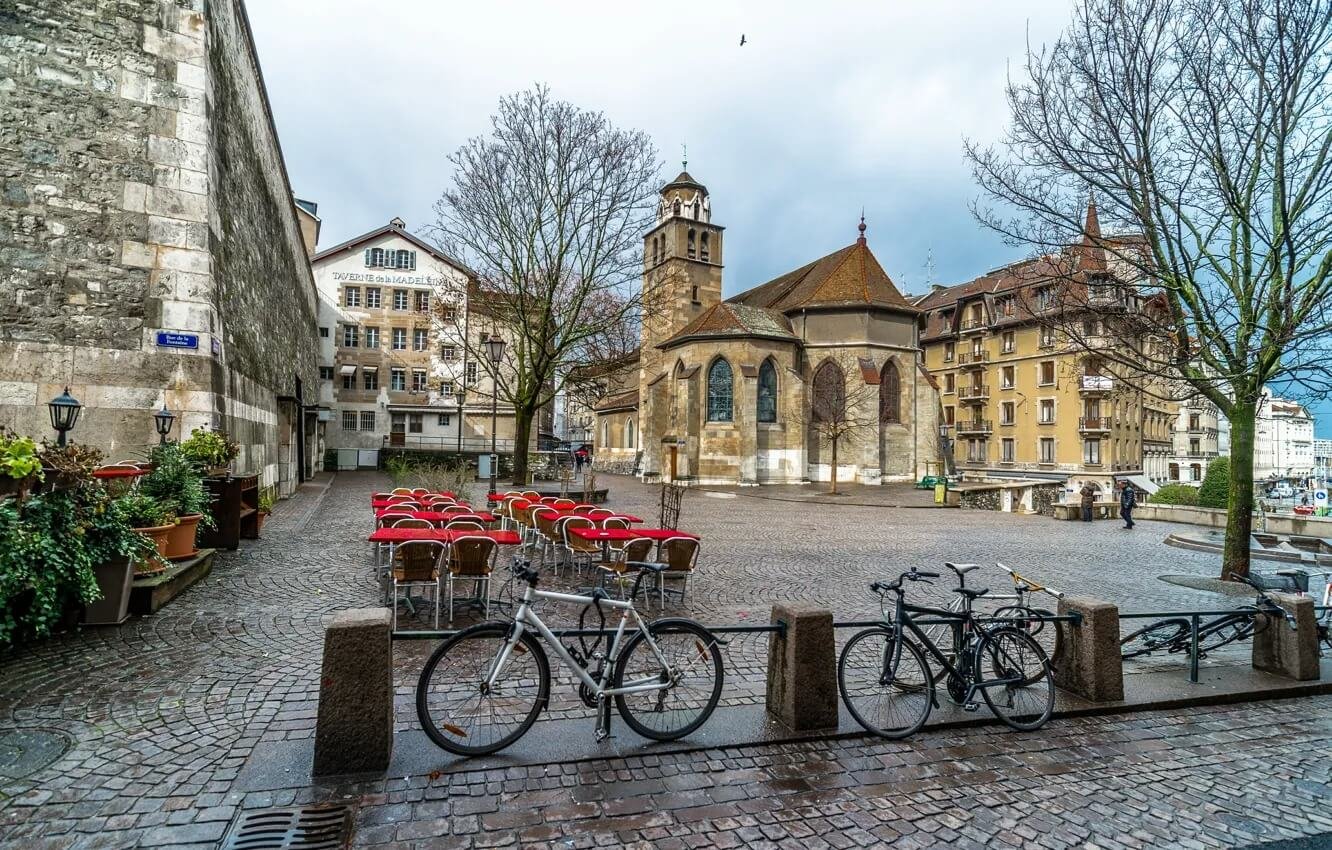
Zurich Old Town | My Real Experience
I can still recall the first time I strolled through Zurich Old Town. It wasn’t planned! I was simply ambling, coffee in hand, following the sound of church bells ringing through narrow, cobbled streets. What I discovered was more than a historic city centre; it was like walking into a living storybook in which every alley has a story to tell, every corner conceals a local secret, and every stone has witnessed centuries of transformation. That’s precisely the reason why I wrote this guide.
Whether you’ll be visiting Zurich for the first time or you’ve been living here but haven’t truly explored the Altstadt, this article is for you. Consider it a personal walk-through with real recommendations, hidden gems, and honest tips, like a local friend guiding you around.
I’ve cobbled together this guide from my experience wandering Zurich Old Town dozens of times on my own, in all months of the year, with locals and with friends. You’re going to be spoon-fed more than facts! You’ll get genuine insight. Let’s dive in.
Where Is Zurich Old Town?
If you're standing in the centre of Zürich and asking yourself where Old Town starts, the answer is you're likely already there without knowing it. That’s the beauty of Altstadt (as we refer to it here). It is so interwoven into daily living that you get the sense that history and contemporary life are arm in arm.
Zürich Old Town spans both banks of the Limmat River, from the Main Train Station (Zürich HB) down to Lake Zürich. It’s divided into two loosely defined halves.
Niederdorf (right bank) – vibrant, colourful, lined with restaurants and shops, and buzzing with energy.
Lindenhof & Rennweg (left bank) – quieter, more residential, home to peaceful viewing points, secret courtyards, and strata of Roman history.
Getting here is simple. If you come by train, get off at Zürich HB and walk for 2–3 minutes. And just like that, you’re in the Old Town. Trams such as the 4, 6, 10, and 15 also stop right in the area, but let’s be frank, you won’t need public transport once you’re here. You should spend the time walking it.
Quick tip: I always begin my visits at the Central tram stop, then meander into Niederdorfgasse. That way I can explore the livelier side first, before crossing the river from the Old Town to sample the still, yet charming side of Lindenh. It’s a great way to cover both when visiting the Old Town.
Pro tip? Wear comfortable shoes. Cobblestones are pretty but unyielding!
 History & Background
When you walk through Zurich’s Old Town, you’re not just passing through space. You’re walking through 2,000 years of layered history. And believe me, you can sense it. One foggy morning, I stood on Lindenhof Hill, gazing over the rooftops and remembering that the place where I stood was once the site of a Roman fort. It gave me goosebumps, thinking of all the footsteps that had echoed here before mine.
Zurich (the Romans named it Turicum) started life as a lowly customs post in the 1st century BC. Situated along the banks of the Limmat River, it was a major trade route. Now, skipping forward to the Middle Ages, the city thrived as a magnet for merchants, guilds, and artisans. You’ll see old guild houses throughout the Old Town. They’re beautiful buildings, but more importantly, they were the centre of Zurich’s economy and community life at the time.
Among my favourite historical treasures is Grossmünster, the twin-towered church that is said to stand over the graves of Zurich’s patron saints, Felix and Regula. The story is that they somehow walked up the hill, heads in hands, to reach the spot where the church stands today. Whether you want to hear it or not, stories like this add a certain sacredness to the site.
Across the river, Fraumünster Church provides another layer of history, with its 9th-century origins and gorgeous Chagall windows, added in the 1970s. It’s a lovely mix of the old and the new, just like Zurich.
But history in the Old Town is not confined to the glass of a museum. It exists in the narrow alleys, the creaky doorways, and the hushed courtyards you encounter when you make a wrong turn (which I highly recommend, by the way).
This is where the past is palpably present, interwoven with each brick and stone, beckoning you to witness and experience it.
What to See & Do in Zurich Old Town (Top Attractions)
Wandering around Zurich’s Old Town without an itinerary feels almost magical. But if you’re anything like me, you still want to ensure that you don’t miss out on the good stuff, those must-visit spots and hidden gems. Here are some of my favourites, each of which I’ve visited repeatedly and still enjoy returning to.
Grossmünster – The Soul of Zurich
If Zurich had a face, Grossmünster’s twin towers just might be it. The legendary 12th-century Romanesque church and my first ascent to the Karlsturm tower, however, I’ll never forget! It’s a bit of a workout, sure, but the 360° panorama stretching over the city rooftops and over Lake Zurich is unbeatable.
It’s also where the Protestant Reformation in Switzerland began under Huldrych Zwingli. You’re also in the thick of history here. Admission is free; climbing the tower costs a few Swiss francs.
Be sure not to overlook the bronze doors at the front. They’re full of symbolism and exquisitely made.
Fraumünster Church – Chagall’s Secret Masterpiece
Across the river, Fraumünster is a church that may appear humble from the outside, but step inside, and boom, you’re enveloped by stained-glass windows by Marc Chagall. It is, in an expressionist vein, verging on spiritual poetry in glass, the colours, the feelings, the story.
I recall sitting inside on a quiet afternoon and drifting away into the blue window. You don’t have to be a believer to be touched here. If you don’t have much time, even a 10-minute stop will make an impression.
Insider tip: A late afternoon visit brings the brightest natural light in through the windows.
Lindenhof Hill – Where Serenity Reigns
A lesser-known gem in the Old Town, Lindenhof is more of a platform than a park, a tranquil space with a view of the city, once the site of a Roman castle.
Locals come to read, play chess, or breathe. I probably come here, get a coffee, and spend 10 quiet minutes to reset. It’s ideal following a busy morning of exploration.
My recommendation: Go early morning or during the golden hour evening. The atmosphere is unmatched.
Cabaret Voltaire – The Birthplace of Dada
Attention, art lovers: This one’s for you. Dadaism, one of the most radical art movements of the 20th century, was born at the Cabaret Voltaire. It’s quirky, brassy, and wildly beautiful, a lot like Dada itself.
Inside are a café, a gallery, and rotating exhibits that are never not thought-provoking. It’s not large, but it has a great deal of cultural heft. I stumbled in here on a drizzly afternoon and lingered for more than an hour chatting with employees about Zurich’s underground art scene.
Worth it? 100%. Even if you’re not the modern art type, it gives your visit some style.
Niederdorf – The Street That Isn’t One You Should Miss
Niederdorfstrasse, or Dörfli as locals refer to it, is the pedestrian street that winds through the right bank of the Old Town. It’s where you’ll see boutique shops, cafés, street performers, and more charm than you can shake a stick at.
This is where I often take people visiting for the first time. There’s a lot of energy here, especially in the evening when the lights come on and the terraces fill up.
Try this: Get a scoop from Gelati am See or pick up a bratwurst at Sternen Grill; both are nearby.
Augustinergasse – An Unexpected Postcard
In an area that’s away from the busiest parts, Augustinergasse is one of the loveliest streets in Zurich. Think pastel-colored buildings, dangling bay windows, and no cars, just you and history.
I love to come here early in the morning when it was no one is around. It feels almost like time travel.” It’s also good for taking photos.
Fun fact: The decorative windows are a traditional Zurich design, some of which date back centuries.
Helmhaus & the Riverfront
Helmhaus, a contemporary art space worth a look, is right by the Limmat River next to Grossmünster. But the sheer delight is sitting on the steps outside, watching the swans gliding, or talking to the locals.
(I sometimes get a snack and then sit in here for an hour.) It’s easy, it’s beautiful, and it’s so, you know, Zurich.
Tip: If the weather’s nice, bring a book or take a break here. Fantastic people-watching location!”
Where to Eat in Zurich Old Town
With me, exploration always ends up with food. Zurich Old Town is not lacking in spots that dish out comfort, tradition, and a healthy serving of Swiss soul. If you’re in the mood for a hearty meal at a local pub, a quick snack, or something with a bit more finesse, you won’t go wrong at any of the following places that I return to again and again.
Swiss Chuchi – The Classic Swiss Fondue
Locataion: Hotel Adler, Niederdorfstrasse
Starting with the obvious but oh-so-delicious. Swiss Chuchi is the home of the genuine cheese fondue and raclette. It’s touristy, but I’ve come here with visiting friends at least three times, and it’s solid every time. Melted cheese is rich and smooth, and the scene is just what you want! warm, rustic, alpine-vibe, cosy.
Personal tip: Order the Moitié-Moitié fondue (half Gruyère, half Vacheron). It’s perfectly balanced, not heavy, and satisfying.
La Pasta – Fresh and Comforting
Locataion: Münstergasse
Sometimes, all you need is a bowl of something comforting, and La Pasta delivers. Hidden in a pretty part of the Old Town, this Italian has that “I-just-stumbled-upon-it” feel. The pasta is made to order, the sauces are flavorful, and the staff treats you like family.
I came here once after a long, rainy walking tour with wet shoes and tired feet, and I swear the tagliatelle in a truffle cream sauce revived me.
Zunfthaus zur Zimmerleuten – A Taste of History
Locataion: Limmatquai
This one is a bit more upscale, but it’s well worth it if you want a more authentic taste of Zurich’s culinary heritage. In a former guild house, it’s like dining inside a living museum. I’ve had their Zürcher Geschnetzeltes mit Rösti (veal in cream sauce with crispy potatoes), a Zurich classic, and it was melt-in-your-mouth good.
Ideal for a special evening out or a cultural immersion in Swiss food.
Sternen Grill (Near Old Town)
Location: Next door to Bellevue, over the bridge
All right, it’s technically just outside the Old Town, but you can’t miss it. Their bratwurst with spicy mustard and a crusty Bürli roll is legendary. Swift, cheap, and so very Swiss. I stop here nearly every time I walk by.
Details: Zurich’s Old Town delivers flavour with character, whether you’re sitting down for a slow fondue dinner or grabbing a bratwurst on the go.
 Best Cafés & Chill Spots
If all of this sounds slow motion, well, sometimes the best way to get a feel for a city is to slow down, and Zurich Old Town offers you the perfect excuse. Whether you’re a coffee freak or simply seeking a convivial nook to rest your tootsies, here are, by far, my favourite joints to relax, re-caffeinate, and soak in the scene.
Café Schober – As If Entering a Fairy Tale
Location: Napfgasse, in the middle of Niederdorf
This one, when I want something fancy, is my answer. Café Schober, set within a historic building, looks like it was designed for winter fantasies! Crystal chandeliers, old wood furniture, and velvet chairs. Their hot chocolate is next-level ( you’ll think about it after), and they do great pastries as well. I love to come here when it’s snowing out! You’re in a snow globe.
Milchbar – Contemporary, Trendy, and Off the Beaten Path
Locataion: Kappelergasse
Milchbar is one of those hidden gems that so many tourists never find. It’s part café, part wine bar, part lounge, in a quiet courtyard. I discovered it by accident once when I was escaping the rain and have always gone back since. The coffee is good, the design is minimal and modern, and it’s great for digital nomads or solo travellers.
Limmat River Steps – Where nature goes to chill
Well, not a café, but if you take your coffee to go and sit on the Helmhaus steps, it’s just as perfect. Swans glide past, bells ring, and the river glimmers. It’s my favourite spot to stop and simply exist.
Shopping & Local Finds
If, like me, you like shopping with a narrative, something unusual, artisanal, and intensely local. Zurich’s Old Town has so many little shops that embody the city’s creative energy and Swiss craftsmanship.
Schwarzenbach Kolonialwaren – wie damals
Location: Münstergasse
This is not your typical souvenir shop. Schwarzenbach is a family-run colonial goods store that dates to 1864. The wooden shelves are stocked with Swiss teas, spices, chocolate, and coffee, all beautifully packaged and all ideal as authentic souvenirs. I always pick up a bag of their house-roasted beans for friends back home (and for myself!).
Teddy’s Souvenir Shop – Oldie But Goodie
Locataion: Limmatquai
Yes, it’s a souvenir shop, but Teddy’s does it right. Everything is Swiss-made or for mementoes that will endure and make you think.
Fabric Frontline – For a Swiss Touch Of Elegance
Locataion: Storchengasse
This luxury boutique sells silk scarves designed in Zurich and often inspired by Swiss landscapes and culture. Expensive, yes, but truly gorgeous. I once bought one for my mother, and she still loves it.
Stroll, inquire, and follow your curiosity! You’ll be amazed at what treasures you’ll discover tucked into the winding streets of the Old Town.
 Where to Stay in Zurich Old Town
In my opinion, as a first-time visitor, staying in Zurich Old Town is a no-brainer. You’re surrounded by history, charm, restaurants, and those dreamy cobblestone streets, all within walking distance to the main sights and transport.
Here are some of my top recommendations based on personal stays, local reputation, and honest feedback from friends and travellers I’ve assisted over the years.
Authentic & Affordable: Hotel Adler Zurich
Locataion: Niederdorfstrasse
This 3-star gem is one of my favourites. It’s owned by a Swiss company, situated in the heart of the lively pedestrian zone, and every room features a work of a local artist. If you want fondue to be just an elevator ride away, the on-site Swiss Chuchi Restaurant is ideal. The vibe here is warm and local, not ostentatious, just cosy and endearing.
Marktgasse Hotel – Boutique Style with Character
Locataion: Marktgasse
This one is for design lovers. When I stayed here for a weekend staycation, the minimalist-chic rooms set in centuries-old architecture felt like the perfect marriage of the old and the new. They also provide free yoga classes, and there is a lovely little café downstairs. It’s a stylish and authentic base.
Storchen Zurich – Limmat Luxury
Locataion: Weinplatz
For a splurge or special treat for someone, Storchen is legendary. It’s one of the city’s most refined hotels and has more than 650 years of hospitality experience (seriously). The views across the Limmat River are unreal, and the service is top-notch. I had been here once just for brunch, but seeing the terrace opened my eyes.
Pro tip: For those on a tighter budget, see ZüriRooms or Sorell Hotel Rütli, both close and well-reviewed.
Whatever you do here, waking up morning after morning straight in the middle of Zurich Old Town is an experience that you’ll never forget. It isn’t only a place to stay!, It’s part of the experience.
Travel Tips & Local Secrets
Let’s face it, Zurich is pretty year-round, but knowing how to hit the mean streets like a local can make your visit so much more enjoyable. So, I’ve compiled a few of my favourite, time-tested travel tips that I always share with friends who come to visit.
Timing is Everything
Want to experience Zurich Old Town without all the crowds? But arrive before 10 AM or after 6 PM. The light has softened, the streets are quieter, and it feels more like the local Zurich that I know and love. Midday weekends are best avoided if peace is what you seek.
Do Wear Comfortable Shoes
Want to hear a secret? Those cobblestones, they are no joke. This is where stylish sneakers or padded flats become your best friend. Save the heels for a different city!
Don’t Rush Through It
Old Town is not intended to be “tick tick tick” off a to-do list. Give time to roam, to get a little lost, to stop for an espresso or browse a bookshop. That’s where the magic is.
Must-Have Apps
- SBB Mobile – For train & tram schedules (super reliable).
- ZVV App – Local public transportation in Zurich.
- Too Good To Go – A good way to find discounted leftovers in bakeries or cafés around Old Town.
- Google Translate – Most locals speak English, but signs and menus are in German.
Weather Hack
The Swiss weather has a taste for mischief; the sun comes out at 10, and it's rain before noon. Always check the forecast, and even in the summer months, pack a lightweight umbrella or rainproof jacket.
Local Secret
If you want to escape the hustle for a minute, sneak into the courtyard of the Zentralbibliothek (Central Library) near Predigerkirche. It’s still peaceful and green, and few tourists know it is there. It's the perfect place to reset.
 Itinerary Example (1-Day or 2-Day)
If you have just a day or two in Zurich’s Old Town, don’t fret! You can accomplish a lot without hurrying. Here’s how I’d map it out for myself, based on how much I love to take friends around when they’re in town.
Day 1 – The Basics (My Perfect Day in Old Town)
Morning
Get your day started at Café Schober with a flaky croissant and world-famous hot chocolate. Sit at the window and soak in the charm, a perfect way to ease into Zurich’s slower tempo.
After, stroll down Niederdorfstrasse. It’s very lively in the mornings but not too packed. Stop in boutiques or pick up a snack if you’re tempted.
Make your way up to Grossmünster around mid-morning and go up the tower! You’ll be glad you did for the view. Then cross the river to Fraumünster and ooh and ahh at the Chagalls (they glow beautifully if the sun’s out!).
Lunch
For a proper Swiss meal, I always recommend Swiss Chuchi. Stick with the fondue or rösti, a win for comfort food every time.
Afternoon
Wander up to Lindenhof Hill for a serene break. Grab a takeaway coffee and take in the view. Then head over to Augustinergasse, one of Zurich’s prettiest streets, for a few photos and some window shopping.
Stop by Cabaret Voltaire in the late afternoon for a dose of art and eccentric history or to do a little people-watching along the riverfront.
Dinner
End the day with pasta and wine at La Pasta, or upgrade a bit with Zunfthaus zur Zimmerleuten for traditional Zurich fare.
Day 2 (If You Have More Time)
- It probably helps a lot to start with breakfast at Milchbar
- Go to the Helmhaus Art Gallery or duck into smaller museums.
- Enjoy some leisurely souvenir shopping at Schwarzenbach and the Fabric Frontline.
- Afternoon boat trip on Lake Zurich (which is a stone's throw away!)
- Have a bratwurst at Sternen Grill by the river to finish your day with a nice view of the sunset.
This itinerary combines culture, food, and slow travel in the way Zurich Old Town should be experienced. Withhold judgment, let it breathe, and let it charm you.
Final Thoughts (Emotional Wrap-up)
There’s something about Zurich’s Old Town that lingers well after the cobblestones, church bells, and river views are left behind. For me, it’s not simply a beautiful place to visit. It’s a destination I keep returning to, over and over, because it’s a living storybook, with every alley telling a tale and every café corner a moment to be born.
I have walked these same streets in every season under autumn’s golden leaves, in summer’s soft evening light, and falling snow, and still they feel familiar but also new. That’s the magic of the Old Town! It’s not simply what you see, it’s how you feel.
I hope, whether you are here for a day or a week, that this guide helps make your visit richer, easier, and a bit more meaningful. Don’t rush. Let yourself wander. Talk to the locals. Try the cheese.
And above all, slow down. There’s a glorious glacial way in which Zurich’s Old Town reveals itself just when you need it most.
Let’s Keep the Journey Going
Enjoyed exploring Zurich Old Town with me? Please let me know your thoughts, tips, or questions in the comments below! Have you been there, or is it still on your wish list?
If this guide was useful to you, tell a fellow traveller about it, save it for your bucket list trip, or bookmark it for your plan B. If you’d like to read more about what else to do the Swiss way, check out the rest of Swiss Sustain! I have a whole bunch more local tales and travel gems for you.
FAQs for Zurich Old Town
What is Zurich's Old Town?
Zurich Old Town (Altstadt) is the historic heart of the city, packed with medieval buildings, cobblestoned lanes, cultural attractions, and local life.
Where is it, and how do I get there?
Zurich Old Town stretches along both banks of the Limmat River and is within a short walk of Zurich Main Station (HB), reachable on foot, tram, or bike.
What are the top attractions?
Top sights are the Grossmünster, Fraumünster, and Lindenhof Hill, as well as Niederdorf, Cabaret Voltaire, and centuries-old guild houses.
What are your recommendations for places to eat or get coffee?
Eat traditional Swiss food at Zunfthaus zur Zimmerleuten, eat raclette at Raclette Stube, and get a coffee at Café Schober or ViCAFE.
Are there hidden gems or local secrets?
Yes, Lindenhof Hill has tranquil, crowd-free vistas, and side alleys around Niederdorf are lined with secret shops and quiet cafés.
Can I explore it in one day?
If you plan your day well, you can certainly walk the highlights of Zurich’s Old Town in one day, at a leisurely pace.
Are there guides or walking paths?
Yes, self-guided walking routes are easy to navigate, and there are plenty of English-language guided tours on history, architecture, and food.
What should I not do or know before going?
If you prefer to dodge the crowds and avoid peak tourist hours, and you might also want to know that some restaurants are tourist-trap priced, seek local spots instead.

Best Brunch in Geneva | You Can’t Miss
Let me tell you something true, brunch in Geneva is not just a meal. It’s a ritual. A quiet luxury. A momentary pause in a city that typically ticks like clockwork. Now, about the brunch culture in Geneva, I will honestly say, when I first came to Geneva, I was surprised I did not think the brunch culture was as alive as it is. It’s not loud or ostentatious, as in some major cities; it’s sophisticated, endearing, and effortlessly stylish like much of Switzerland.
Over the years, I have hopped around the brunch scene in Geneva, tiny corner cafes, trendy spots, and everything in between, and would like to share a few of my favourite spots with you! So grab your appetite, because we’re heading into the 10 best brunch spots in Geneva, with all the juicy details you’ll need to choose your ideal destination.
Café du Centre
A Timeless Brunch Experience in Geneva
Website: cafeducentre.ch
Address: Place du Molard 5, 1204 Geneva, Switzerland
Opening Hours: Daily from 9:00 AM to 12:00 PM
Vibe: Elegant, lively, central
I’ll start with a place I keep returning to when I want a brunch that feels special, Café du Centre. Situated in the buzzing heart of Geneva’s Old Town, this place melds old-fashioned Parisian café vibes with a Swiss passion for quality.
Here’s the thing! This is not your ordinary pancakes-and-smoothie brunch. Think oysters, eggs Benedict, smoked salmon platters, and yes, a glass of Prosecco if the mood strikes. The service is smooth but casual, and eating outdoors on the Place du Molard on a sunny day is a pleasure.” To be frank, it’s a little mini vacation.
It’s a tad expensive, but it’s well worth the experience. Also, it’s great for special occasions or to wow out-of-town guests with a scenic, high-quality brunch.
My Tip: Go for the seafood brunch option! It’s fresh, decadent, and a memory you won’t forget. And do yourself a favour! Book ahead on weekends. It gets packed.
Birdie Food & Coffee
Trendy, Laid-Back, and Seriously Good Coffee
Address: Rue des Bains 40, 1205 Geneva, Switzerland
Opening Hours:
Monday to Friday: 8:00 AM – 3:00 PM
Saturday & Sunday: 10:00 AM – 5:00 PM
Vibe: Minimalist, young crowd, cosy-chic
When I crave a brunch that’s fresh, chill, and completely Instagrammable (without being too try-hard), I go directly to Birdie. It’s tucked away near the art galleries in the Plainpalais area, and honestly, it seems like one of those places locals know about, but it still has a steady buzz, especially at weekends.
Their brunch menu strikes that perfect balance: sourdough toasts piled high with avocado and poached eggs, seasonal veggie bowls, house-made granola, and rotating specials that always manage to pleasantly surprise me. And we can’t forget the coffee, one of the best in Geneva. Smooth, powerful and obviously brewed by people who give a damn.
The space is bright and minimal, featuring Scandinavian touches and large windows, the kind of place where you could pleasantly while away an hour or two.
My Advice: If they have the avocado toast with halloumi, order that, and wash it down with their oat milk flat white. And it’s order-at-the-counter style, so arrive early if you want a good seat by the window.
 Le Fix Café
Cosy, Casual & Perfect for a Budget-Friendly Brunch
Website: lefix.ch
Address: Avenue de France 17, 1202 Geneva, Switzerland
Opening Hours:
Monday to Friday: 7:30 AM – 6:00 PM
Saturday & Sunday: 8:00 AM – 5:00 PM
Vibe: Homey, student-friendly, welcoming
There’s something about Le Fix Café that makes you feel at home right away. I discovered it on a rainy Saturday, when everything else above was too formal or full, and I was so glad I did. It’s the type of place that doesn’t call attention to itself, but once you’ve been there, you keep showing up.
This café is popular among students, freelancers, and locals in need of a good brunch without the fancy price tag. The menu is simple but done well, I think, freshly baked breads, scrambled eggs, yoghurt bowls, and daily quiches that taste as though they were made in someone’s cosy kitchen. I also appreciate that they have vegan and gluten-free products.
This is not the home for glam or Insta-shots, but if you want comfort food, friendly service, and a place to loiter with your laptop or a book, this is your place.
What I Recommend: Get their homemade tart of the day with a side salad, always fresh and filling. And don’t leave without trying the chai latte, it’s spicy, creamy, and quite possibly the best I’ve had in Geneva.
Café du Soleil
Traditional Swiss Charm with a Cosy Brunch Twist
Website: cafedusoleil.ch
Address: Place du Petit-Saconnex 6, 1209 Geneva, Switzerland
Opening Hours: Open daily! Reservations are highly recommended due to its popularity.
Vibe: Rustic, welcoming, family-friendly
If you desire a brunch spot that seems authentically Swiss, the kind of place locals have cherished for generations, Café du Soleil is the place for you. Located in the calm neighbourhood of Petit-Saconnex, this place is more famous for its legendary fondues, but believe me, their Sunday brunch is the best-kept secret.
The feel is old-world cosy wooden beams, checkered tablecloths, and a half-muffled buzz of conversation. It’s not a typical trendy brunch café, and that’s precisely what makes it special.” The menu includes farm-fresh eggs, buttery croissants, rösti, local cheese, and seasonal fruit tarts that are as good as anything from grandma’s kitchen.
It’s that kind of place you take your family, or where you sit with friends for hours, never feeling rushed.
My Try: If you can, order the brunch platter; it will usually contain a bit of everything: rösti, eggs, fresh bread, and something homemade, like jam. It’s hearty and comforting, brimming with Swiss soul.
Ou Bien Encore
Sleek, Plant-Based & Surprisingly Indulgent
Website: oubienencore.ch
Address: 61, Rue des Bains, 1205 Geneva, Switzerland
Opening Hours: Wednesday to Sunday: 10:00 AM – 6:00 PM
Reservations: Recommended, especially for weekend brunches.
Vibe: Modern, calm, health-conscious
Let’s be real, when I first heard plant-based brunch, I didn’t know if it would stand out. But Ou Bien Encore turned my mind upside down. It’s a lovely, minimalist café by the art district, and it’s become one of my go-tos when I want something healthy as well as fulfilling.
This colourful place is all about fresh, seasonal, and creative plant-based dishes that pack an explosion of flavour. Think: sweet potato waffles with cashew cream, homemade granola, avocado toast topped with fermented veggies, and smoothie bowls that look almost too beautiful to eat. Their cocktail menu is equally considered, from turmeric lattes to fresh-pressed juices.
What I love the most is how peaceful and grounding it feels. It is the kind of place you emerge from feeling nourished, not overstuffed.
My Recommendation: The sweet potato rösti with avocado and tahini sauce is so good you won’t even know it’s vegan. For the full experience, pair it with their seasonal juice blend or a matcha latte.
 Luma Café
Bright, Artisan, and Full of Creative Flavour
Address: Rue des Eaux-Vives 8, 1207 Geneva, Switzerland
Opening Hours: Monday to Friday: 8:00 AM – 6:00 PM; Saturday: 9:00 AM – 5:00 PM; Sunday: Closed
Vibe: Sunny, artistic, warm neighbourhood feel
There’s a certain magic to Luma Café that you catch the minute you step inside. It’s bright and full of natural light, and the whole space has that feeling of having been designed by someone who actually enjoys brunch and cares about delivering an experience, rather than just food.
Luma is an artisanal, small-batch interface, just with a sense of humour. Their weekend brunches include items like focaccia sandwiches with burrata, soft-boiled eggs with za’atar, homemade banana bread, and seasonal specials that are constantly changing, adding excitement each time I go. The coffee? Beautifully executed, and they also offer house-made lemonades and kombuchas.
It attracts a creative crowd of artists, students, and young professionals, and the vibe is always uplifting, as if you’re in on something Geneva hasn’t ruined yet.
My Recommendation: Assuming it’s on, the brunch combo plate it’s usually some sort of savoury and sweet selection, along with a hot drink. And if you like tangy, don’t miss the house ginger lemonade!
Black Tap
Big Brunch Flavours, American Style in the Heart of Geneva
Website: blacktap.com
Address: Cours de Rive 6, 1204 Geneva, Switzerland
Opening Hours: Monday to Sunday, 11:30 AM – 11:30 PM
Reservations: Recommended, especially during weekends.
Vibe: Urban, bold, energetic
Sometimes you want a brunch that’s big, bold, and totally indulgent, and that’s exactly what Black Tap serves up. Situated on the banks of the Rhône River, this NYC import made a strong impression in Geneva, committing itself fully to flavour and fun.
This is not that delicate poached-egg-and-latte version of brunch. We mean fried chicken waffles, gigantic burgers with brunch toppings, egg-laden sandwiches culled from the worst impulses of a drunk and hungry mind, and yes, those insane milkshakes that could be categorised as art in a museum of dessert-making. It’s dynamic, of the moment, and invested in good energy, ideal if you’re brunching with a crew or want to make a weekend event feel celebratory.
It has that cool industrial look, and the staff is always upbeat, contributing to that feel-good mood.
My Recommendation: The Brunch Burger is an absolute beast, egg, bacon, cheese, and all the fixin’s. And if you’re in the mood to have some fun, share a milkshake for dessert (trust me, you probably won’t be able to finish one on your own).
Cottage Café
A Garden Escape for a Slow, Serene Brunch
Website: cottagecafe.ch
Address: Rue Adhémar-Fabri 7, 1201 Geneva, Switzerland
Opening Hours: Monday to Saturday, from 7:15 AM onwards
Vibe: Relaxed, charming, nature-meets-city
If there’s one place in Geneva where brunch feels like a gentle exhale, it’s Cottage Café. Nestled in a charming little house deep within a green park close to the lake and the Jet d’Eau, this café embodies quietude. You feel as if you’ve stumbled into the countryside, even when you’re smack in the city centre.
Their weekend brunch menu is refined yet accessible, considering fresh-baked breads, creamy scrambled eggs, fruit compote, yoghurt parfaits, and good coffee served in the open air when the weather permits. It’s one of those places where you lose track of time for good reason.
Whether you’re a Geneva visitor or resident, it’s the perfect place to transition into the day slowly, with a book in one hand and sunlight on your face.
That said, you can try their brunch formula (M.S.), which features a selection of savoury and sweet bites and coffee or juice. And if the sun is shining, definitely take a seat outside under the trees, it is a Geneva brunch dream.
Le Pain Quotidien
Comforting, Organic & Consistently Good
Website: www.lepainquotidien.com
Address: Boulevard Georges-Favon 45, 1205 Genève
Opening Hours: Open daily! Typically open from early morning to late afternoon; hours may vary by location.
Vibe: Warm, familiar, casual-elegant
Sometimes you want a brunch spot that is reliable and comforting and feels like a little escape from the rush, and that is precisely what Le Pain Quotidien delivers. It’s an international chain, sure, but in Geneva, it feels somehow a bit more local, slower, and grounded.
Their menu emphasises wholesome, organic foods, freshly baked breads, soft-boiled eggs, avocado toast, seasonal quiches, those little fruit tarts you always tell yourself you’re not going to order (and always do). It’s not flashy, but it’s reliably solid, and the type of spot that suits solo journal writing over a latte, as well as catching up with friends.
I’ve dropped into brunch here more times than I can count, especially when I want a calm, no-stress meal with friendly service.
My Recommendation: The organic brunch board that would be varietal, tartine-style breads, spreads, eggs, cheese, fruit, and coffee or juice. And if you’re a coffee person, order their hazelnut cappuccino, it’s low-key amazing.
 What Makes a Good Brunch in Geneva?
After countless brunches (some I wish I could forget, some…not so much), I’ve landed on just what makes it worth your while at a brunch spot in Geneva, particularly in a city with exorbitant prices and even higher expectations.
For one, the quality of ingredients is everything. You can taste the difference when the eggs are organic, the bread was baked that morning, and the coffee was brewed with care. In Switzerland, that sort of quality is the norm, but some establishments do better still.
Second, it’s about the ambience. A good brunch isn't rushed. It’s serene, familiar, and perhaps also has a view of a lake or a quiet garden terrace. Whether you’re hanging out with friends or having a solo Sunday, the vibe needs to match your mood.
But remember to value money. Geneva is an expensive city, but I have my share of places offering large portions, warm service, and an authentic local touch without breaking the bank.
For this guide, I’ve picked places that check all of those boxes, places that I’d happily recommend to a friend visiting for the weekend or a fellow local in search of something new.
In conclusion, Brunch is an Affair in Geneva.
Geneva brunch isn’t just about the plate of food in front of you! It’s about slowing down, not rushing to the next thing, feeling like you’re connecting to the city around you, and treating yourself to a little bit of pleasure. Whether you’re craving a snug eatery hidden in a back street, a plant-based haven, or a hearty, American-style brunch that hits the spot like comfort food therapy, Geneva really delivers. And what I love most? There’s something for every mood, every budget, and every type of bruncher.
I’ve picked these places for friends, family, and now for you, places I’ve personally enjoyed and would go back to myself in a heartbeat. Because brunch isn’t a trend here, it’s a local ritual, and when done right, it makes your entire weekend better.
Your Turn: Try One and Tell Me!
Planning a weekend brunch? Bookmark this list, choose an appropriate spot, then go somewhere that pleases you. And then come back and tell me which one you loved the most! Or, even better, if you have a hidden gem I haven’t discovered yet, visit me. Leave your faves in the comments, or tag us on Instagram @swisssustain for your best Geneva brunch pics!
FAQS for Brunch in Geneva
Q1: What time does brunch usually begin in Geneva?
Most places begin brunch service around 10:00 A.M., and run it through the weekends until 2:00 P.M. or 3:00 P.M.
Q2: Should I book brunch in Geneva?
Yes, especially on weekends. Popular locations get busy quickly, so it’s wise to reserve in advance.
Q3: Is there a vegetarian or vegan option for brunch?
Absolutely! Numerous George's cacafésn Geneva boast plant-based and vegetarian-friendly brunch menus.
Q4: How much does brunch typically cost in Geneva?
Depending on where you are and how hungry you are, expect to spend about CHF 25–40 per person.
Q5: Are weekday brunch places open?
Yes! Some cacafés offer weekday brunch menus or all-day breakfast. Be sure to check their hours first.
Zurich Apartments for Rent
When I first arrived in Switzerland, I had no idea how difficult it would be to find a place to live in Zurich. Finding Zurich apartments for rent proved far trickier than I ever imagined. I thought it would be as simple as browsing a few websites and signing a contract. But the reality was completely different. I spent over 150 hours researching housing options, comparing prices, understanding Swiss rental rules, and figuring out documents like the Betreibungsauszug (which I had never even heard of before).
That’s why I created this guide so you don’t have to go through the same stress I did. My goal is to give you clear, practical, and honest advice, mixed with my own experience, so you know exactly what to do (and what not to do) when renting an apartment in Zurich.
What are the advantages of renting in Zurich? You get a safe, well-maintained apartment, reliable landlords, and excellent public transport connections no matter where you live. The neighbourhoods are diverse, from trendy Kreis 5 to family-friendly Oerlikon, so there’s something for everyone.
The disadvantages? The competition is fierce, prices are high, and missing even one required document can mean losing your dream apartment. I learned this the hard way when my first application was rejected because I didn’t have the Betreibungsauszug ready.
In this article, I’ll walk you through everything step by step, from understanding Zurich’s housing market to choosing the right neighborhood to submitting a winning application. By the end, you’ll have the ultimate guide to renting in Zurich, practical, personal, and completely reliable.
 Zurich Housing Market Overview
If you’ve already started searching for Zurich apartments for rent, you’ve probably realised how tough the Zurich housing market really is. I still remember my first weeks here in 2014. I was shocked at how quickly apartments disappeared from listings. One moment you’d see a perfect flat online, and by the next day, it was already gone. That’s how competitive renting in Zurich can be.
The demand is much higher than the supply, especially in popular areas close to the city centre or near Lake Zurich. This means you’ll often find yourself competing with dozens of other applicants for a single apartment. At some viewings I attended, there were 30 to 40 people waiting in line just to see the same flat! It felt discouraging at first, but I learned that persistence and preparation are everything.
Advantages of Zurich’s Housing Market:
-
Apartments are generally well-maintained, clean, and built to high Swiss standards.
-
Transparency: landlords are usually very clear about costs, Nebenkosten (utilities), and rental contracts.
-
Many neighbourhoods are safe, family-friendly, and well-connected by public transport.
Disadvantages:
-
High Zurich rental prices compared to other Swiss cities (and much higher than in many countries).
-
Strong competition, meaning rejection is common even for well-prepared applicants.
-
Strict documentation, missing one paper can cost you the chance.
One thing I noticed over the years is that the closer you are to the city centre, the higher the rent and the stronger the competition. However, if you’re flexible and open to neighbourhoods slightly further out, you’ll not only save money but also increase your chances of finding a good place.
Personal tip: Don’t lose hope if you don’t get accepted right away. When I started, I had several rejections before finally securing my first apartment in Oerlikon. Looking back, those rejections taught me valuable lessons about how the system works.
The key takeaway? The Zurich housing market is competitive but manageable if you understand the rules, act fast, and stay patient while looking for the right apartment.
Where to Search for Apartments in Zurich
When I first started looking for a flat in Zurich, I didn’t even know where to begin. I wasted so much time clicking around random websites, unsure which ones were reliable. Over the years, I’ve learned that using the right platforms can save you hours of frustration and significantly increase your chances of finding a home.
Here are the most trusted platforms for Zurich apartment rentals:
- Homegate.ch – The largest and most popular platform. You’ll find hundreds of listings here, but that also means heavy competition.
- Comparis.ch – Great for comparing rental prices across different areas. I often used it to make sure I wasn’t overpaying.
- Flatfox.ch – Very user-friendly, with a clean design and quick updates. Some landlords prefer Flatfox because they can manage applications digitally.
- Ronorp.net – A bit less known, but full of hidden gems. I once found a really affordable short-term apartment here that wasn’t listed anywhere else.
- WGzimmer.ch – Perfect if you’re looking for a WG (shared flat). Many newcomers, including myself, start in shared housing to save money and get to know people.
- Facebook groups & expat forums – Places like “Zurich Apartments for Rent” often have private listings where you can deal directly with landlords or tenants.
Personal recommendation: Always set up email alerts on these platforms. When I was searching, I found out that being the first to apply makes a huge difference. Once, I got an apartment simply because I was among the first three people to send a complete application within hours of the listing going online.
What not to do: Don’t rely only on one platform. I made that mistake in the beginning, and I missed out on some great opportunities. Instead, spread your search across at least 3–4 websites.
By combining the big platforms (like Homegate and Comparis) with smaller ones (like Ronorp and WGzimmer), you’ll cover all possibilities. The more places you look, the better your chances of finding the right apartment in Zurich.
 Documents You Need to Rent an Apartment in Zurich
When I first applied for apartments in Zurich, I thought sending my ID and job contract would be enough. I quickly learned that in Switzerland, renting is a very formal and competitive process. Missing even one paper can mean your application goes straight to the rejection pile. It happened to me my very first application was ignored simply because I didn’t submit a Betreibungsauszug (a document I didn’t even know existed at the time).
To save you from the same frustration, here’s the complete list of documents most landlords in Zurich will ask for:
1. Copy of your Passport or ID
A basic requirement to prove your identity.
2. Residence Permit (or application confirmation)
If you’ve just arrived, you may not have the final permit yet. In that case, provide proof that you’ve applied.
3. Betreibungsauszug (Debt Enforcement Extract)
This is probably the most important document and the one many newcomers overlook. It shows whether you have unpaid debts in Switzerland.
- You can request it from the local debt enforcement office (Betreibungsamt) in your municipality.
- It usually costs around CHF 17–25 and takes a few days.
Personal lesson: I lost weeks because I didn’t know I needed this. Always request it as soon as you start your apartment search.
4. Proof of Income or Employment Contract
Landlords want to see that you can afford the rent. Typically, your rent should not exceed one-third of your monthly income.
5. References (optional but helpful)
A short letter from your employer or previous landlord can make your application stronger. I once asked my HR manager for a quick letter, and it definitely gave me an advantage.
Advantages of being prepared:
- You look reliable and serious.
- Landlords are more likely to invite you for a viewing.
- You can apply faster than other candidates.
Disadvantages if you’re not prepared:
- You may miss out on apartments while waiting for documents.
- Incomplete applications are rarely considered.
Pro tip: Keep all these documents scanned and ready in one PDF file. That way, whenever you see a new listing, you can apply immediately without wasting time.
Being well-prepared with documents isn’t just a formality! It’s what makes the difference between getting your dream apartment in Zurich or facing rejection after rejection.
 Costs & Budgeting in Zurich
One of the biggest shocks newcomers face in Zurich is the cost of housing. When I first arrived in 2014, I couldn’t believe how high the rents were compared to what I was used to. I remember looking at a small one-room studio for CHF 1,400 per month and wondering how anyone could afford it. The truth is, Zurich is one of the most expensive cities in the world, and rent is often the single biggest monthly expense.
Average Rent Prices in Zurich
Of course, prices vary by neighbourhood, apartment size, and condition, but here’s a general idea:
- 1-room studio: CHF 1,000 – 1,600
- 2-room apartment: CHF 1,600 – 2,400
- 3-room apartment: CHF 2,400 – 3,500+
- Family apartments (4–5 rooms): CHF 3,500 – 5,500+
Personal note: My first proper apartment in Zurich was a two-room flat in Oerlikon for around CHF 1,850 per month, and that felt like a bargain compared to central Zurich prices.
Nebenkosten (Additional Costs)
Many newcomers don’t realize that rent doesn’t always cover everything. In Switzerland, you’ll often see + NK (Nebenkosten), which are building-related costs like heating, water, garbage disposal, and maintenance. These usually add CHF 150–300 per month.
Personal mistake: In my first apartment, I didn’t pay attention to Nebenkosten. I thought the rent covered everything, but I was surprised by extra monthly bills. Always clarify if NK is included or separate.
Rental Deposit (Kaution)
Another cost to prepare for is the deposit. Most landlords require 3 months’ rent upfront as a security deposit, held in a blocked bank account. For example, if your rent is CHF 2,000, you’ll need to pay CHF 6,000 before moving in.
This can feel overwhelming at first, but remember, you’ll get it back when you move out (assuming no damage).
Budgeting Tips for Zurich Rentals
- Keep rent below 1/3 of your income! Many landlords won’t accept you otherwise.
- Choose neighborhoods slightly outside the center (like Oerlikon or Altstetten) to save hundreds each month.
- Consider a WG (shared flat) if you’re new and want to keep costs low.
- Plan for moving costs like furniture, insurance, and initial setup fees.
Advantages of budgeting well: You’ll avoid financial stress and enjoy life in Zurich without constantly worrying about money.
Disadvantages of poor planning: You risk overcommitting financially, which can turn your dream of living in Zurich into unnecessary stress.
Temporary & Alternative Housing Options in Zurich
When I first arrived in Zurich, I quickly realized that finding a permanent apartment wasn’t going to happen overnight. The competition was intense, and I didn’t yet have all the required documents (like the Betreibungsauszug). To avoid stress, I decided to start with temporary housing and honestly, it was one of the best decisions I made while searching for Zurich apartments for rent.
Here are some common options for short-term or alternative housing in Zurich:
1. WG (Shared Apartments)
Websites like WGzimmer.ch are the go-to place for finding shared flats. These are very popular among students, expats, and young professionals.
My personal experience: I lived in a WG during my first months in Zurich. It was cheaper, and I got to know people who helped me adjust to life in Switzerland. The downside? Less privacy and the challenge of sharing space with strangers.
2. Airbnb
A flexible option if you need a furnished place quickly. The advantage is convenience no paperwork, fully equipped, and ready to move in. The disadvantage? It’s expensive if you stay for more than a few weeks.
3. Serviced Apartments
These are fully furnished apartments available for monthly rent. They’re great if you want privacy and comfort without dealing with furniture or utilities. But be prepared: they’re usually more expensive than regular rentals.
4. Sublets & Facebook Groups
Sometimes, tenants sublet their apartments for a few months while travelling. You can often find these opportunities in expat Facebook groups. It’s a great way to “test” living in a neighbourhood before committing long-term.
Advantages of starting with temporary housing:
- Gives you time to explore Zurich neighbourhoods.
- Less stress while gathering the required documents.
- Flexibility to move once you find the right long-term apartment.
Disadvantages:
- It can be more expensive in the short term.
- Not always stable, you may need to move again after a few months.
Personal tip: If you’re new in Zurich, don’t pressure yourself to find a permanent apartment immediately. Temporary housing gives you breathing room, and sometimes that’s exactly what you need to start your new life smoothly.
 Best Zurich Neighbourhoods for Renting
One of the things I love most about Zurich is how every neighborhood has its own personality. Choosing the right district (or Kreis in German) isn’t just about finding an apartment! It’s about finding the lifestyle that suits you. When I first moved here, I had no idea how different each area felt. I ended up living in Oerlikon, and while it wasn’t my first choice, it turned out to be the perfect place for me at that stage of life.
Here’s an overview of some of the most popular neighbourhoods in Zurich and what you can expect from each:
(Altstadt – Old Town)
- Vibe: Historic, central, full of charm with cobblestone streets and medieval buildings.
- Advantages: You’re right in the heart of Zurich, walking distance to shops, restaurants, and the lake. Beautiful views everywhere.
- Disadvantages: Extremely expensive and noisy due to tourism. Apartments are older and often smaller.
(Langstrasse Area)
- Vibe: Multicultural, lively, and energetic, with plenty of nightlife and restaurants.
- Advantages: Great for young professionals or anyone who loves city life. Rents can sometimes be slightly more affordable compared to Kreis 1.
- Disadvantages: Can feel noisy and crowded. Not ideal if you want peace and quiet.
(Industriequartier)
- Vibe: Trendy and creative, with converted warehouses, art spaces, and modern lofts.
- Advantages: Cool atmosphere, lots of new apartments, popular with young professionals and expats.
- Disadvantages: Still developing in some areas, and rents for newer apartments are high.
Seefeld
- Vibe: Upscale and sophisticated, right next to the lake.
- Advantages: Stunning lake views, beautiful parks, and safe streets. Perfect for families or anyone who loves a quiet, elegant environment.
- Disadvantages: One of the most expensive areas in Zurich. Competition is fierce.
Oerlikon
- Vibe: A balanced, family-friendly district with excellent transport connections.
- Advantages: More affordable than the city centre, modern apartments, green parks, and a lively local market. Only 7 minutes to Zurich main station by train.
- Disadvantages: Less “charm” compared to older districts; feels more modern and residential.
Personal note: I lived in Oerlikon for my first years. At first, I thought I was too far from the “heart” of Zurich, but in reality, I loved the convenience. Affordable rent, easy access to trains, and a quieter atmosphere made it the perfect start for me.
Other Notable Areas
- Altstetten: Affordable, diverse, up-and-coming.
- Enge: Central and stylish, popular with professionals.
- Wiedikon: Relaxed, local vibe, with a mix of young people and families.
How to choose your neighbourhood?
Think about your lifestyle: Do you want nightlife, a quiet family life, lake views, or affordable rent? The “best” district depends on your priorities.
Finding the right neighbourhood is about more than just price! It’s about feeling at home in Zurich.
Tips to Increase Your Chances
Finding an apartment in Zurich can sometimes feel like running a marathon, exhausting, competitive, and full of obstacles. I know this feeling all too well. I remember going to an apartment viewing where nearly 40 other people showed up, all with their neatly prepared application folders. It felt almost impossible to stand out. But over time, I learned some strategies that really helped me secure a place.
1. Be Fast
In Zurich, apartments disappear quickly. If you see a listing you like, apply immediately. Setting up alerts on sites like Homegate or Comparis means you’ll be among the first to know about new listings.
2. Have Your Documents Ready
Landlords prefer tenants who are well-prepared. Keep a complete application file (passport, residence permit, Betreibungsauszug, employment contract, references) ready as a single PDF. That way, you can send it within minutes.
Personal tip: I once got accepted for a flat simply because I sent my application the same evening the ad was posted before most people even had time to react.
3. Write a Short Cover Letter
Introduce yourself politely: who you are, what you do, why you’re interested in the apartment. Keep it simple but personal. This small effort shows respect and seriousness.
4. Be Polite and Professional at Viewings
Dress neatly, be on time, and greet the landlord or agent warmly. First impressions matter in Switzerland.
5. Don’t Give Up
Rejection is normal. I had several “no’s” before finally securing my first Zurich apartment. Every application taught me something new and persistence was the key.
Advantages of following these tips: You stand out as a reliable, organised, and respectful tenant.
Disadvantages of ignoring them: You risk being overlooked, even if you’re financially capable.
The truth is, renting in Zurich is competitive, but if you combine preparation with persistence, your chances increase dramatically. Remember you only need one yes.
Step-by-Step Process for Renting in Zurich
Renting an apartment in Zurich can feel overwhelming at first, especially if it’s your first time in Switzerland. When I arrived, I had no idea where to start which websites to check, what documents were required, or how competitive the Zurich rental market would be. Over time, I learned a clear process that made everything much easier. Here’s a step-by-step guide based on my personal experience, especially useful if you’re searching for Zurich apartments for rent.
Step 1: Decide on Your Budget and Neighbourhood
Before you start searching, determine how much you can afford and which areas suit your lifestyle. Remember: rent should ideally be no more than one-third of your monthly income. Consider proximity to work, public transport, and amenities when comparing different apartments in Zurich.
Step 2: Prepare Your Documents
This is critical. Gather your passport, residence permit, Betreibungsauszug, employment contract, and references. Scan everything into a single PDF so you can submit your application immediately. Missing documents are one of the most common reasons people fail to secure Zurich apartments for rent.
Step 3: Search for Listings
Use trusted platforms like Homegate, Comparis, Flatfox, and WGzimmer. Set up alerts to be notified the moment a new apartment is listed. Being fast is often the difference between getting an apartment and losing it.
Step 4: Apply Promptly with a Cover Letter
Send a complete application as soon as possible. Include a short, polite cover letter introducing yourself and explaining why you’re a suitable tenant. Personal touches like mentioning your appreciation for the neighborhood can make a big difference.
Step 5: Attend Viewings
Be punctual, polite, and professional. Dress neatly and show respect to the landlord or agent. Ask questions about utilities, neighbors, and any additional costs. I learned that showing genuine interest and friendliness often helps landlords remember your application positively.
Step 6: Sign the Lease and Pay the Deposit
Once approved, you’ll usually need to pay a security deposit of up to 3 months’ rent, often placed in a blocked account. Read the lease carefully, check for hidden costs, and clarify anything you don’t understand before signing.
Step 7: Move In and Register
After moving in, remember to register your address at the local municipality (Einwohnerkontrolle) within 14 days. Set up utilities if necessary and enjoy your new home.
Personal advice: Take notes during viewings, stay organised, and don’t get discouraged by rejections. My first few applications were unsuccessful, but following this step-by-step process eventually led me to a comfortable apartment in Oerlikon a place I still fondly remember.
By following these steps, you’ll navigate Zurich’s rental process confidently, avoid common mistakes, and increase your chances of finding the perfect home among many Zurich apartments for rent.
Conclusion
Finding an apartment in Zurich can feel intimidating, especially when you’re new to Switzerland. I remember my first weeks, the stress, the competition, and the long hours spent searching and preparing documents. But the truth is, it’s entirely manageable if you follow a clear plan, stay organized, and remain persistent.
From understanding the housing market, preparing all necessary documents, searching across multiple platforms, to visiting viewings and choosing the right neighborhood, every step plays a crucial role in securing your dream apartment. And along the way, it’s important to remember that every rejection is a learning opportunity. I faced my share of setbacks, but each one taught me something valuable about the Swiss rental system and eventually led me to a great apartment that suited my needs perfectly.
Whether you’re moving to Zurich for work, study, or simply a fresh start, this guide gives you the ultimate framework to navigate the rental process confidently and efficiently.
If you’re currently searching for an apartment in Zurich, take action today: prepare your documents, explore multiple listings, and apply promptly. Share your experiences or questions in the comments below. I’d love to hear your story and help you further. For more tips on living, travelling, and thriving in Switzerland, explore the other guides on Swiss Sustain and make your Swiss journey as smooth and enjoyable as possible.

Cost of Living in Switzerland | Everything You Should Know
Cost of Living in Switzerland When I moved to Switzerland, I was arranged for breathtaking sees, productive open administrations, and a tall quality of life. What I didn’t completely expect, in any case, was the tall fetched that comes with living in one of Europe’s wealthiest nations. Understanding the fetched of life in Switzerland is fundamental for anybody arranging to live, work, or think about here.
This comprehensive direct covers the taken a toll of lodging, goods, healthcare, transportation, and excitement, guaranteeing you have a clear money related picture some time recently making the leap.
Key Variables Behind the Tall Fetched of Living in Switzerland
1. Strong Swiss Franc (CHF) and Financial Stability
The Swiss Franc is one of the most steady and most grounded monetary forms all inclusive, which contributes to Switzerland’s tall costs. A solid cash increments the obtaining control of Swiss inhabitants locally, but it moreover raises costs for imported products and services.
During my remain, I taken note that numerous imported products, such as gadgets and a few nourishments, were estimated 20–30% higher than in neighboring nations like Germany or France. This is since Switzerland’s tall moment taxes and solid cash make universal items more costly.
2. High Wages and Quality Standards
Switzerland’s fetched of living is adjusted by a few of the most elevated pay rates in the world. With obligatory least compensation in certain divisions and no deficiency of high-paying employments in back, tech, and pharmaceuticals, Swiss inhabitants for the most part have tall expendable incomes.
Example: In the back segment, entry-level positions frequently begin around CHF 70,000 yearly, and experienced experts effortlessly make over CHF 100,000. In any case, tall pay rates contribute to a tall request for premium administrations, making a cycle of tall compensation and tall costs.
3. Exceptional Quality of Life
Switzerland reliably positions tall in the quality of life list. The healthcare framework, instruction, transportation, and open security are excellent, contributing to the tall living costs. Moreover, Switzerland’s flawless environment and accentuation on maintainable hones cruel that merchandise and administrations frequently meet higher quality and natural benchmarks.
Overview Cost of Living in Switzerland
Switzerland routinely positions as one of the most costly places in the world. Be that as it may, this tall taken a toll is adjusted by solid acquiring control, quality open administrations, and tall compensation. A few components contribute to the tall taken a toll of living in Switzerland, such as the quality of the Swiss Franc (CHF), the country’s tall standard of living, and a center on quality merchandise and services.
Housing: Rent, Utilities, and Taxes
Housing is regularly the biggest cost for inhabitants in Switzerland. Lease shifts based on area, with cities like Zurich and Geneva altogether more costly than littler towns.
1. Average Monthly Rent in Major Cities
Switzerland’s primary cities, Zurich, Geneva, Bern, and Lausanne, are among the most costly places to live in Europe.
| City | Monthly Rent (1-Bedroom, City Center) | Monthly Rent (1-Bedroom, Outside City Center) |
| Zurich | CHF 2,000-CCHF 2,500 | CHF 1,400-CCHF 1,800 |
| Geneva | CHF 2,100-CCHF 2,600 | CHF 1,500-CCHF 1,900 |
| Bern | CHF 1,300-CCHF 1,800 | CHF 1,000-CCHF 1,400 |
| Lausanne | CHF 1,700-CCHF 2,300 | CHF 1,300-CCHF 1,600 |
Living in littler towns can spare you altogether. For occurrence, leasing exterior Zurich or Geneva can decrease rental costs by 30–40%.
During my to begin with winter, warming costs were shockingly tall. In a few cases, utility bills vacillate with the seasons, so budgeting appropriately is essential.
I found a little one-bedroom loft in Zurich for CHF 2,100, somewhat over normal but helpful for my work. A tip for newcomers is to consider encompassing ranges or indeed adjacent cantons with great prepare connectivity.
2. Utilities and additional expenses
Utilities (heating, power, water, and squander administration) are frequently bundled with lease but can fetched CHF 200–300 month to month if partitioned. Extra costs include:
Internet: CHF 40–80 per month
Mobile phone plans: Starting at CHF 20, with higher-tier information plans costing around CHF 60–80
3. Taxes and Health Insurance
Swiss inhabitants are saddled based on where they live, and assess rates shift by canton. Furthermore, wellbeing protections is obligatory, and each inhabitant must buy scope through a private provider.
Health insurance: CHF 250–500 month to month, depending on the deductible
Taxes: Shifts by wage and canton; normal successful rates run from 10–20%.

Food and grocery shopping: local vs. imported goods
Switzerland’s center on quality expands to its basic need segment. Whereas costs are tall, so is the quality of new create, dairy, and meats.
Grocery Shopping
The major grocery store chains are Migros, Coop, and Denner. Migros and Coop are pricier but offer high-quality items, whereas Denner and Aldi give more reasonable options.
Milk (1 liter): CHF 1.50
Bread (500g): CHF 2.50–4
Cheese (1 kg): CHF 20–30
Chicken breast (1 kg): CHF 25
Saving Tips: Shopping at nearby markets regularly gives new create at sensible costs. Numerous Swiss local people shop at farmers’ markets on weekends, where you can discover regular natural products, vegetables, and dairy items at a lower price.
Dining Out
Eating out in Switzerland is a extravagance. A commonplace supper at a mid-range restaurant costs around CHF 25–50 per individual, whereas a supper at an upscale restaurant can fetched CHF 60 or more per individual. Fast food is moreover costly, with dinners like burgers and pizzas costing around CHF 15–20.
Transportation: Public Transit and Car Ownership
Switzerland’s open transportation framework is one of the best globally—efficient, on time, and interconnected over trains, buses, and boats.
Public Transportation
The Swiss Government Railroads (SBB) works the prepare organize, giving helpful alternatives for commuting and travel.
Monthly city transport pass: CHF 85–100
Swiss Travel Pass: CHF 75–100 per day, boundless travel over Switzerland, incredible for visitors or those commuting frequently.
Owning a Car in Switzerland
Car possession can be exorbitant due to fuel costs, stopping, and insurance.
Fuel: CHF 1.60–1.80 per liter
Parking: CHF 200–300 month to month in major cities
Car Insurance: CHF 500–1,500 every year, depending on coverage
I picked for open transport and found the Swiss Travel Pass exceptionally helpful and cost-effective. Living in Zurich, I once in a while require a car due to the great open transport arrange.

Healthcare and Insurance Costs
In Switzerland, wellbeing protections is required. Inhabitants must select a private protection supplier, and costs can shift based on age, deductible, and scope level.
Average monthly cost: CHF 250–500
Out-of-pocket costs: Essential meetings may taken a toll CHF 100–200 if not completely covered.
Choosing a arrange with a higher deductible (CHF 1,500–2,500) decreases month to month premiums but increments out-of-pocket costs for therapeutic services.
My possess approach is mid-range at CHF 350 a month with a CHF 1,000 deductible, covering fundamental administrations whereas keeping premiums reasonable.
Education and Childcare Fetched of Living in Switzerland
Public vs. Private Options
Switzerland has a strong open instruction framework that is free for inhabitants, but private schools and childcare can be costly.
Public Schools
Public schools are well-regarded and free for inhabitants, making them an appealing choice for families.
Private Schools and Universal Schools
Private instruction is costly, with expenses extending from CHF 20,000–30,000 per year. Worldwide schools are especially exorbitant due to their specialized educational programs and littler lesson sizes.
Childcare Costs
Childcare is another tall cost, with full-time childcare costing between CHF 1,500 and CHF 2,500 per month, depending on the area and quality of care.
Entertainment and Leisure Activities
Cost of Living in Switzerland common magnificence gives various free or low-cost excitement choices, counting climbing and swimming in the numerous lakes. In any case, other recreational exercises and social excursions can be costly.
Sample Costs of Recreation Activities
Gym participation: CHF 60–120 per month
Cinema ticket: CHF 18–22
Ski pass: CHF 60–100 for a day pass
Saving Tips: Numerous Swiss local people take advantage of the copious climbing trails and nature parks. Skiing is an costly leisure activity, so consider buying a season pass if you arrange on skiing as often as possible.

Managing living expenses: commonsense tips for budgeting in Switzerland
1. Shop Smart
Store Selection: Choosing stores like Aldi or Denner over Migros and Coop can spare you 20-30% on basic supplies. Farmer’s markets too offer regular create at competitive costs, particularly if you purchase in bulk or near to closing time.
2. Make the Most of Public Transport
Public Transport Passes: Utilizing a Swiss Travel Pass or a month to month territorial pass can diminish transportation costs altogether, particularly if you’re commuting frequently.
3. Use Alternative Housing Options
Shared Housing: Numerous expats and youthful experts decrease their living costs by sharing flats. Websites like Comparis and WGZimmer are well known for finding roommates and reasonable accommodations.
4. Compare health insurance plans.
Insurance Comparators: Websites like Comparis permit you to compare wellbeing protections premiums and deductibles, making a difference you discover a arrange that fits your needs and budget.
Future Trends in Cost of Living in Switzerland
Given Switzerland’s tall compensation and financial steadiness, the taken a toll of living is anticipated to stay tall. Be that as it may, future patterns may affect expenses:
Increase in Feasible Housing: Switzerland is progressively centering on economical building, which may decrease utility costs in more up to date, energy-efficient apartments.
Transportation Innovation: Electric vehicle motivations may lower transportation costs for car proprietors over time.
Digitalization of Services: Advanced healthcare administrations, such as online discussions, might decrease healthcare costs in the coming years.
Is Switzerland Worth the High Cost?
Living in Cost of Living in Switzerland is evidently costly, but the quality of life, steadiness, and characteristic excellence make it beneficial. From open administrations to beautiful sees, Switzerland offers a one of a kind and improving encounter for those who can oversee the tall taken a toll. Legitimate arranging and keen budgeting can make life in Switzerland more reasonable, permitting you to appreciate the best of what this nation has to offer without breaking the bank.
Tips for Saving Money in Switzerland
Living on a budget in Switzerland is challenging but conceivable with a few adjustments:
Groceries: Purchase in bulk, see for rebates, and consider crossing the border to shop in Germany or France, where costs can be essentially lower.
Public Transport: Utilizing a monthly pass or half-fare card can spare on commuting costs.
Dining Out: Look for lunch specials or attempt proceeding from the last segments and growing for depth:
Final Thoughts on the Cost of Living in Switzerland
Switzerland's tall fetched of living comes with significant benefits, counting unparalleled quality of life, get to to breathtaking characteristic scenes, and a riches of open administrations. For those who arrange and budget shrewdly, Switzerland’s costs ended up sensible, particularly with vital choices approximately lodging, transportation, and basic need shopping. For occasion, selecting for open transportation over car proprietorship can spare CHF 3,000–CHF 5,000 yearly, whereas utilizing basic need rebate chains can cut costs by 15-20% each month.
Despite the tall costs, the focal points of living in Switzerland a flawless environment, a solid economy, and secure, dynamic communities regularly exceed the challenges. By taking after the viable tips given and picking up a profound understanding of the budgetary scene, you can completely appreciate everything Switzerland has to offer.
Finding Housing in Switzerland
I still remember how hard it was when I first came to Switzerland to find accommodation. I spent my landing day eager and full of dreams, but I was also soon going to be disappointed, saying that finding a roof over my head wasn’t going to be as easy as I had anticipated. From the never-ending online listings to rejections popping into my inbox faster than I could apply, the Swiss housing market was a riddle I needed to solve.
At the beginning, I underestimated the process. I reasoned, How difficult can renting in Switzerland be? But I soon found out that high demand, strict requirements and super-speedy offers meant I had to be smart, be ready and be patient. It wasn’t just about money! It was all about timing and documents and sometimes luck.
That’s exactly why I built this guide: So that you don’t have to waste hundreds of stressful hours like I did. Here, I’ll point out what works, what doesn’t, the pros and cons of different types of housing, and my personal recommendations for students, expats, and families.
Whether you’re after a flatshare in Zurich, student accommodation in Lausanne or a family home in the vicinity of Bern, this guide takes you through everything you’ll need to consider and all the steps you’ll need to take. Why? Because all I want is for your journey to be smooth, fast and a hell of a lot less of a pain in the ass than mine.
 Why Finding Housing is Hard in Switzerland
If you’ve ever gone apartment hunting in Switzerland, then you probably know it’s like applying for a competitive job. When I began app and web hunting for an apartment, it surprised me how quickly I saw listings (sometimes within hours) disappear. By the time I got my paperwork together, the apartment was taken. That’s when it hit me: The Swiss housing market is one of the most competitive housing markets in Europe.
This is for a few reasons. First, high demand is outstripping available supply, particularly in large cities: Zurich, Geneva and Lausanne. Thousands of students, professionals and expats come each year! However, the supply of apartments does not keep pace. Second, Swiss landlords are extremely picky. They’re not looking just at people who can pay the rent; they’re looking for stable, reliable people and who also have a clean financial record. That can be intimidating to newcomers.
I actually did this when I applied for my first studio apartment. I provided all the documents and even a nice handwritten introduction letter, and I was willing to pay a few months’ rent upfront. But still, I got rejectedjust because there were 40 other candidates. It was disappointing, but it taught me a lesson: in Switzerland, you have to be strategic, fast and patient.
The good news? And housing, though difficult, is not impossible. Preparation, flexibility and some trade secrets will enable you to find that perfect spot for your needs and budget, but here’s the kicker: Finding an affordable apartment in Hong Kong is not impossible. That’s why this guide is here to help you not make the mistakes that I did and succeed faster.
Types of Housing in Switzerland
When I first started looking for a place to stay in Switzerland, I was overwhelmed by the different housing options. Unlike my home country, where renting usually meant a straightforward apartment, here I had to learn new terms like WG (Wohngemeinschaft), sublets, and student residences. Each type comes with its own advantages and challenges, and knowing them early can save you a lot of time and frustration.
- Shared Apartments (WG):
A WG, or shared flat, is very popular among students and young professionals. You share common spaces like the kitchen and bathroom, but have your own private room. I stayed in a WG during my first monthsit was budget-friendly and helped me meet new people. However, you need to adapt to different lifestyles, which isn’t always easy. - Student Housing:
If you’re studying in Switzerland, universities often provide student residences. These are usually cheaper and located near campus, but availability is limited, and the competition is fierce. Apply as early as possible. - Studios & Small Apartments:
Perfect if you value privacy. Studios are common in larger cities, though prices can be high. For example, in Zurich, a simple studio can cost as much as a two-bedroom flat in smaller towns. - Family Apartments:
For expats with families, larger apartments or houses outside city centers are a better option. They often offer more space, access to schools, and quieter neighborhoods. - Temporary Sublets:
Many foreigners, including myself, start with a sublet. It’s flexible and gives you time to adjust before committing to a long-term lease. The downside is uncertaintyyou might have to move again sooner than you’d like.
Choosing the right type depends on your stage of life, budget, and personal preferences. I recommend starting flexible (like WG or sublets) and then moving to something more permanent once you’ve settled.
Where & How to Search
When I first landed in Switzerland, I had no idea where to even begin looking for housing. I typed apartments in Zurich into Google and was instantly bombarded with listingsmost of which were already outdated or far too expensive. After wasting hours on random websites, I realised that knowing where to search is half the battle.
Here are the platforms and strategies that truly helped me:
- Popular Housing Websites:
The most reliable platforms are Homegate, Immoscout24, Comparis, and Flatfox. These sites list hundreds of apartments across Switzerland. What worked for me was setting up email alerts. Since listings go fast, being among the first to apply makes a big difference. - University & Student Platforms:
If you’re a student, always check your university’s housing office. For example, ETH Zurich and University of Geneva have dedicated portals for students. That’s how a friend of mine secured her first student residence in Lausanne. - Facebook Groups & Expat Communities:
This was my personal lifesaver. I joined groups like Zurich Expats Housing and Geneva Housing, Rooms, Apartments. Within a week, I found a temporary sublet through a friendly expat who was leaving for three months. Be cautious, thoughalways double-check for scams. - Local Newspapers & Notice Boards:
In smaller towns, housing ads are often still posted in newspapers or even pinned to supermarket boards. I once found a WG listing on a local Coop board that wasn’t listed online anywhere else. - Word of Mouth:
Never underestimate personal connections. Swiss people often rent out apartments through their network before posting them online. Once I started talking to classmates and colleagues, new opportunities opened up.
My recommendation: combine all these methods. Use big websites for serious searches, but also tap into Facebook groups and personal networks for hidden gems. And most importantly quick, prepared, and consistent. In Switzerland, housing isn’t found by chance; it’s found by strategy.
Documents You Need
One of the biggest shocks I faced when applying for my first Swiss apartment was the amount of paperwork required. Back home, signing a lease was often just about showing proof of identity and paying the deposit. In Switzerland, however, landlords expect a complete application packageand without it, you’ll likely lose your chance.
Here are the key documents almost every landlord will ask for:
- Copy of Passport or ID:
This is straightforward, but always include a clear, valid copy with your application. - Residence Permit (if available):
As a newcomer, you might not have your permit yet. In that case, a copy of your visa or confirmation letter from the migration office can help. - Proof of Income:
Landlords want to see that you can pay rent consistently. This could be an employment contract, recent salary slips, or even a scholarship letter if you’re a student. - Betreibungsauszug (Debt Collection Report):
This is uniquely Swiss. It’s an official document showing whether you have unpaid debts. As a foreigner just arriving, you won’t have one yet. In that case, a letter explaining your situation, combined with proof of funds, usually works. - Personal Letter:
This is where you stand out. I once wrote a short, friendly letter introducing myself, explaining why I wanted the apartment, and reassuring the landlord of my reliability. Believe it or not, this made a difference I was chosen over other applicants because I felt more human on paper.
My tip: prepare all these documents in advance and have them ready in PDF form. In Switzerland’s fast-moving market, being the first with a complete application can make or break your chances.
Average Rent & Costs
One of the first questions I asked myself when moving to Switzerland was: How much will I actually need for rent? I had heard rumors about sky-high prices in Zurich and Geneva, but I didn’t realize just how much rent can vary depending on the city, size, and type of apartment.
Here’s what I learned through my own search (and what you can expect on average):
Zurich & Geneva:
These two cities are the most expensive. A simple 1-bedroom apartment in Zurich can cost anywhere from CHF 1,500–2,200 per month. In Geneva, it’s similar, often starting around CHF 1,700. When I was flat-hunting in Zurich, I found a studio for CHF 1,800smaller than my student room back home!
Basel, Lausanne, Bern:
A bit more affordable, but still pricey. Expect to pay around CHF 1,300–1,800 for a 1-bedroom. WGs (shared flats) are common here, especially for students and young professionals, with rooms ranging CHF 600–1,000.
Smaller Towns & Rural Areas:
If you’re flexible, living outside major cities can save a lot. In smaller towns, you can find apartments starting around CHF 900–1,200 for a 1-bedroom. Some of my friends commute into Zurich from nearby towns for exactly this reason.
Other Costs to Consider:
- Nebenkosten (utilities): Often CHF 150–300 extra, covering heating, water, and maintenance.
- Internet/TV license (Serafe): Around CHF 335 per year, mandatory for every household.
- Deposit: Usually 2–3 months’ rent, which can feel heavy for newcomers.
My advice: Before applying anywhere, set a clear budget including extras, not just the rent itself. When I first arrived, I underestimated these hidden costs, and it threw off my monthly planning. Once I adjusted, things felt much smoother.
 Common Mistakes to Avoid
When I look back at my first months in Switzerland, I realize I wasted precious time and energy because I made the same mistakes many newcomers make. If you’re searching for housing, here are the pitfalls you should avoid:
- Applying Too Slowly:
Apartments in Switzerland disappear within dayssometimes even hours. I missed out on several good places because I waited a few days to apply. Always have your documents ready and send them immediately. - Not Preparing the Right Documents:
I underestimated how strict landlords can be. Without a complete file (ID, proof of income, Betreibungsauszug), my application wasn’t even considered. Don’t apply until your package is 100% ready. - Ignoring Hidden Costs:
At first, I thought rent was the only cost. Later, Nebenkosten (utilities), Serafe fees, and moving costs added up. Always calculate the full monthly expense before committing. - Falling for Scams:
On Facebook, I once received an amazing offer for a flat in Zurich at half the normal price. Luckily, I checked carefully was a scam. If the rent looks too good to be true, it usually is.
My takeaway: speed, preparation, and caution are your best allies. Learn from my mistakes, and you’ll save yourself weeks of frustration.
Practical Recommendations
Finding housing in Switzerland is definitely challenging, but with a few practical strategies, it becomes much easier. From my personal experience, a mix of preparation, flexibility, and smart searching can make a huge difference.
- Students:
If you’re studying here, I recommend starting with university residences or WGs. These are often cheaper and closer to campus. Apply early and join student housing Facebook groups. I remember landing my first shared flat through a Facebook group. Without that, I would have been stuck paying double the rent elsewhere. - Families:
For families, prioritize space, schools, and neighborhood safety over proximity to city centers. Consider suburbs or smaller towns where rents are lower and apartments are larger. Personally, when a friend moved to a family-friendly area near Bern, their children had better access to schools and outdoor spaces, and the rent was surprisingly reasonable. - Young Professionals / Expats:
If you’re working in Switzerland, check online platforms like Homegate, Immoscout24, and Comparis, but also leverage your professional network. Many apartments are offered to colleagues before being advertised publicly. I once found a great apartment simply by asking a coworker if they knew anyone moving out. - Flexibility Helps:
Sometimes, the perfect apartment isn’t available immediately. Be open to temporary sublets or slightly smaller apartments while you search for something permanent. I stayed in a temporary sublet for two months; it gave me breathing space and allowed me to apply for better options without stress. - Timing & Persistence:
Set daily reminders to check listings and respond immediately. Swiss landlords move fast, and being proactive can be the difference between success and disappointment.
Bottom line: plan, prepare, and stay flexible. Combining these strategies with patience will help you secure the best housing for your needs without unnecessary stress.
Final Thoughts
Glancing at my early days in Switzerland, I recall the dance of excitement and fear which accompanied that hunt for my first apartment. It wasn’t easy: Listings disappeared in a flash, documents had to be perfect, and the competition was fierce. But each hurdle taught me invaluable lessons about preparation, perseverance and adaptability.
Housing in Switzerland can seem overwhelming at first, but if you go about it strategically, you will be fine. Knowing what types of housing are available, where to look, what you need to prepare and what hidden costs to watch out for could save you weeks of pain. My experience taught me that a little patience and planning can make all the difference if you’re a student, an expat, or if you have children.
Keep in mind, though, that finding a home isn’t just about putting a roof over your headit’s about making a space you’re comfortable in and that allows you to feel settled in a new country. Learning from others and being proactive can help you navigate the Swiss property jungle with ease. With the right strategy, you’ll stumble into a spot that feels like home before you know it.