
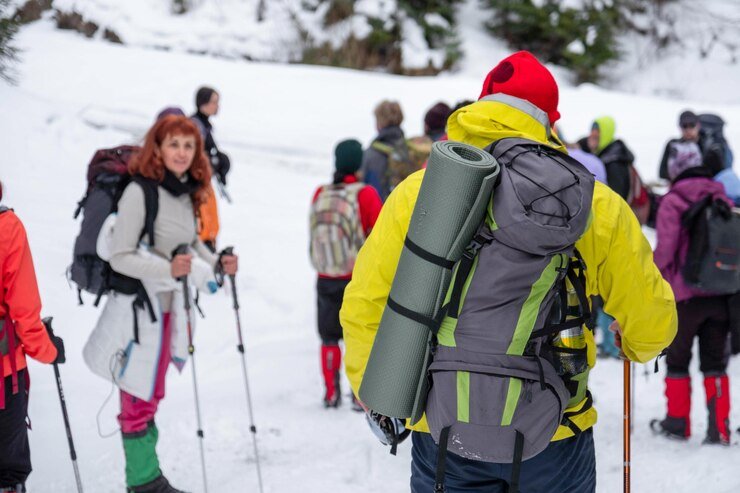
Hiking in Switzerland | Ultimate Guide
Hiking in Switzerland is synonymous with common magnificence, and there's no way better way to encounter it than by investigating its endless organize of climbing trails. With more than 65,000 kilometers of checked ways winding through towering mountain ranges, quiet valleys, and crystal-clear lakes, Switzerland offers a few of the best hiking encounters in the world.
For eco-conscious globe-trotters, Switzerland's commitment to maintainability makes climbing here indeed more fulfilling. Whether you’re a prepared mountain dweller or a casual walker, this direct will give everything you require to know to arrange an exceptional Swiss hiking adventure.
From individual encounters to commonsense tips, this extreme direct covers the best trails, equip suggestions, eco-friendly climbing hones, and much more to guarantee that your climbing trip to Switzerland is not as it were pleasant but sustainable.
Why Switzerland is the Perfect Hiking Destination
Unmatched Scenic Beauty
Switzerland is world-renowned for its pleasant scenes, and each hike in the nation offers a special see of its assorted common magnificence. From the elevated magnificence of the Swiss Alps to the rich greenery of the Jura Mountains, Switzerland's beautiful assortment makes it a heaven for hikers.
One of my most memorable hikes was the Matterhorn Ice sheet Path. The staggering scenery of the Matterhorn towering over and the gleaming icy masses underneath made it an involvement I’ll never disregard. Hiking here felt like being in a living postcard.
Accessibility and Well-Marked Trails
Switzerland’s hiking foundation is among the best in the world. Its well-maintained and clearly checked trails guarantee that indeed tenderfoots can investigate unquestionably. There are three levels of path difficulty:
Yellow: Reasonable for all wellness levels, these trails are wide, smooth, and offer negligible height gain.
Red-and-white: Middle trails that incorporate soak risings, rough ways, and more challenging terrain.
Blue-and-white: Progressed elevated courses that require climbing aptitudes and equipment.
Eco-Friendly Travel Opportunities
Switzerland places a solid accentuation on maintainability, making it less demanding for explorers to appreciate nature dependably. Numerous of the country’s trails are found close open transportation center points, permitting travelers to diminish their carbon impression by utilizing trains, cable cars, and electric buses.
Opt for hiking in Switzerland’s car-free zones, such as Zermatt or Mürren, where the nonappearance of vehicles makes a quiet, pollution-free environment. In these regions, strolling, cycling, or electric transports are the as it were implies of transport.

Best Hiking Trails in Switzerland
1. The Five Lakes Walk (Zermatt)
Distance: 9.3 km
Difficulty: Moderate
Time: 2.5 to 3 hours
Highlights: Reflecting the Matterhorn in pristine snow capped lakes.
The Five Lakes Walk is a modestly troublesome path that takes climbers past five shocking mountain lakes Stellisee, Grindjisee, Grünsee, Moosjisee, and Leisee. Each lake offers a one of a kind viewpoint of the magnificent Matterhorn reflected in its calm waters.
Personal Insight: I suggest beginning this path early in the morning. I strikingly keep in mind how the Matterhorn superbly reflected in the still waters of Stellisee at day break, making the climb feel like venturing into a portray. The tranquility and sees were unmatched.
2. The Eiger Trail (Grindelwald)
Distance: 6 km
Difficulty: Direct to Difficult
Time: 2 hours
Highlights: Towering sees of the Eiger North Confront and the Bernese Alps.
The Eiger Path is a must-do for any genuine climber. This tolerably challenging path runs along the foot of the popular Eiger North Confront, giving climbers a close-up see of one of the most notorious shake faces in the world. The path begins at Eigergletscher Station and plummets through rough ways to Alpiglen Station.
Pack light but fundamental equip such as a windbreaker, as the zone is inclined to sudden wind blasts. I found that trekking shafts were especially valuable on the soak, rough areas of this trail.
3. Lauterbrunnen Valley (Wengen)
Distance: 6 km
Difficulty: Easy
Time: 1.5 hours
Highlights: Shocking waterfalls, counting Staubbach Falls and Trümmelbach Falls.
Known as the “Valley of 72 Waterfalls,” Lauterbrunnen is a climbing goal that feels like strolling through a tall tale. The path takes you through lavish knolls with shocking sees of waterfalls cascading down sheer shake faces.
I was in wonderment of Staubbach Falls, one of the most elevated free-falling waterfalls in Europe. Climbing through the valley with the sound of surging water in the foundation made the involvement inconceivably soothing.
4. Schynige Platte to Faulhorn to First (Grindelwald)
Distance: 16 km
Difficulty: Challenging
Time: 6 hours
Highlights: All encompassing sees of the Eiger, Mönch, and Jungfrau mountains.
One of the most beautiful high-alpine climbs, this course offers unimaginable all encompassing sees of Switzerland’s notorious crests. Beginning at Schynige Platte, the path leads past Faulhorn and wraps up at To begin with, with the alternative to take a gondola down to Grindelwald.
Don’t miss Bachalpsee, a quiet lake that flawlessly reflects the encompassing mountains. It’s an perfect spot for a outing or to essentially unwind and appreciate nature’s beauty.
5. Via Alpina (Multi-Day)
Distance: 390 km (20 stages)
Difficulty: Shifts by section
Highlights: Covers 14 of Switzerland’s most wonderful snow capped passes.
The By means of Alpina is a long-distance climbing path that runs through a few of the most marvelous mountain view in Switzerland. It takes climbers over high-altitude passes and through conventional Swiss towns, advertising a one of a kind mix of normal excellence and social immersion.
Many Swiss Snow capped Club (SAC) hovels along the path are fueled by renewable vitality, and the lion's share offer neighborhood, natural nourishment, supporting maintainable travel hones.
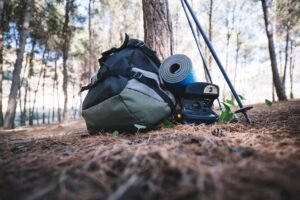
Essential Hiking Gear for Switzerland
Before setting off on your Swiss hiking enterprise, make beyond any doubt you’re prepared with the right equip. Switzerland’s mountain climate can be erratic, so legitimate arrangement is key.
1. Footwear
Invest in a tough match of waterproof hiking boots. Trails like the Eiger Path can be rough and damp, so lower leg bolster and water resistance are essential.
On my hike to Faulhorn, I confronted an unforeseen deluge, but my waterproof boots kept my feet dry and comfortable, permitting me to appreciate the path without discomfort.
2. Layered Clothing
The climate in the mountains can alter rapidly. Dress in layers to remain comfortable. Begin with a moisture-wicking base layer, include a downy for warmth, and beat it with a waterproof jacket.
3. Backpack and Hydration
A lightweight daypack with sufficient room for snacks, water, and an additional layer is fundamental. Hydration bladders are helpful for longer climbs, permitting you to drink water without stopping.
4. Navigation Tools
Though Swiss trails are well-marked, continuously carry a physical outline or GPS gadget in case of startling temporary routes. Numerous portable apps give offline maps of Swiss trails, but having a physical reinforcement is continuously wise.
5. Trekking Poles
For soak risings and plummets, trekking posts can diminish strain on your knees and move forward balance.
On my hike along the By means of Alpina, I found trekking shafts priceless on the more extreme areas, particularly when exploring free rocks.
Eco-Friendly Hiking Practices
Switzerland is a worldwide pioneer in feasible tourism, and climbing capably is a key portion of protecting its common magnificence for future eras. Here are a few basic eco-friendly climbing practices:
1. Stay on Marked Trails
Switzerland’s checked hiking trails are outlined to minimize natural affect. Straying off-trail can harm delicate snow capped plants and irritate natural life habitats.
2. Leave No Trace
Carry all your junk with you, counting natural squander like natural product peels. Numerous trails, particularly in inaccessible ranges, do not have squander containers, so it’s imperative to pack out what you bring in.
During a hike in Aletsch Icy mass, I taken note a few explorers collecting litter along the path. Propelled by their activities, I presently make it a propensity to carry a little pack for any litter I might discover on the path, guaranteeing the environment remains flawless for future hikers.
3. Conserve Water
Even though Switzerland is favored with new water, explorers ought to still hone water preservation. Carry a reusable water bottle and refill it from the numerous characteristic springs from normal sources without squandering plastic bottles.
4. Respect Wildlife
Switzerland’s assorted wildlife, from ibex to marmots, is an indispensably portion of the climbing involvement. Keep your remove from creatures and never bolster them, as this disturbs their normal behaviors.
On one of my climbs through the Jura Mountains, I experienced a bunch of ibex. Observing them from a secure remove permitted me to watch their normal behaviors without exasperating them. It was a enchanted encounter, and regarding their space made it indeed more rewarding.
Best Time to Hiking in Switzerland
While you can hike in Switzerland year-round, the best time to hit the trails is amid the summer months (June to September). Amid this period, most trails are snow-free, the climate is generally gentle, and snow capped vegetation is in full bloom.
Summer Hiking
June to September: The crest climbing season, with clear trails and comfortable temperatures. The high-alpine trails, such as those around Zermatt and Grindelwald, are completely accessible.
Personal Tip: The Engadine Valley in July is a locate to view, with wildflowers carpeting the glades and crystal-clear lakes reflecting the snow-capped peaks.
Autumn Hiking
October: Harvest time offers a calmer hiking encounter, with less visitors and staggering drop colors, particularly in regions like Lauterbrunnen and Valais. In any case, a few higher-altitude trails may near as snow starts to fall.
Winter Hiking
December to Walk: If you’re an bold climber, winter in Switzerland offers interesting climbing openings with snowshoes. Assigned winter climbing trails, such as those in Engelberg and Davos, offer a quiet, snow-covered landscape.
Winter Hiking Tip: Continuously check path conditions and climate estimates some time recently setting out on a winter climb. Snow and ice can make trails perilous, and shorter sunshine hours require cautious planning.
Eco-Friendly Travel to Hiking Trails
Switzerland’s open transportation framework is a demonstrate of proficiency and supportability. Whether you're traveling to Zermatt, Lucerne, or Interlaken, trains, buses, and cable cars will get you there in an naturally inviting manner.
Swiss Travel Pass
The Swiss Travel Pass is an fabulous choice for explorers, advertising boundless travel on the Swiss open transport arrange, counting trains, buses, and vessels. Moreover, it gives get to to numerous cable cars and mountain railways.
Car-Free Destinations
Some of Switzerland’s most famous climbing goals, such as Zermatt and F, are car-free zones. This not as it were decreases contamination but moreover upgrades the climbing involvement by giving quiet, vehicle-free situations.
Safety Tips for Hiking in Switzerland
1. Check Weather Conditions
Mountain climate in Switzerland is famously eccentric. Continuously check the climate estimate some time recently setting out, and be arranged for sudden changes.
Personal Story: I once climbed the Schynige Platte to To begin with path on a apparently sunny day, as it were to experience a sudden rainstorm midway through. Fortunately, I had pressed a waterproof coat, which made all the contrast. Continuously anticipate the startling in the mountains.
2. Be Prepared for Altitude
Altitude ailment can be an issue on a few of Switzerland’s higher trails. Side effects incorporate discombobulation, migraines, and queasiness. If you’re arranging to hike over 2,500 meters, take it moderate and permit your body time to acclimatize.
3. Emergency Numbers
In case of an crisis, dial 144 for restorative help in Switzerland. The Rega app (Swiss Air-Rescue) is another fabulous asset for explorers, permitting you to call for offer assistance indeed in inaccessible zones with destitute cell service.
Sustainable Hiking Activities in Switzerland
Switzerland is driving the way in economical tourism, and hiking plays a major part in this exertion. Here are a few of the most inventive activities advancing eco-friendly hiking:
1. Swiss Alpine Club (SAC) Huts
The SAC works over 150 mountain hovels over Switzerland, numerous of which are fueled by renewable vitality sources like sun powered boards. These cabins offer eco-conscious climbers a feasible lodging choice in the heart of the Swiss Alps.
2. Pro Natura
This Swiss natural organization works to secure common living spaces and advance feasible climbing. Numerous of the trails kept up by Master Natura pass through nature saves, permitting explorers to appreciate Switzerland’s common magnificence whereas supporting preservation efforts.
3. Eco-Trails
Switzerland is creating more eco-trails, which are outlined to minimize human affect on delicate biological systems. These trails frequently include instructive signs that instruct explorers almost the neighborhood environment and wildlife.
Future Trends in Sustainable Hiking
As the request for eco-friendly travel develops, Switzerland is persistently growing its endeavors to advance feasible climbing. Future patterns include:
Electric Open Transport: More trails will gotten to be available by means of electric buses and cable cars, diminishing carbon emanations and making it less demanding for explorers to take off their cars behind.
Digital Trail Management: Swiss specialists are creating apps that offer assistance explorers explore trails whereas minimizing natural affect. These apps give real-time data on path conditions, climate upgrades, and the areas of eco-friendly accommodations.
Hiking in Switzerland Responsibly
Switzerland is a hiker’s heaven, advertising unparalleled common magnificence, well-maintained trails, and a commitment to supportability. By taking after eco-friendly climbing hones, choosing dependable travel choices, and remaining in green lodging, you can appreciate the country’s shocking scenes whereas making a difference to protect them for future generations.
Whether you're a prepared climber or a first-time guest, the openings for climbing in Switzerland are perpetual. From the Matterhorn Ice sheet Path to the Through Alpina, there’s a path for each expertise level and interest.
Ready to arrange your Swiss hiking enterprise? Investigate a few of the best eco-friendly remains in Switzerland, pack your adapt, and book your hike nowadays! Don’t disregard to subscribe to our pamphlet for elite climbing tips and feasible travel guides for Switzerland.

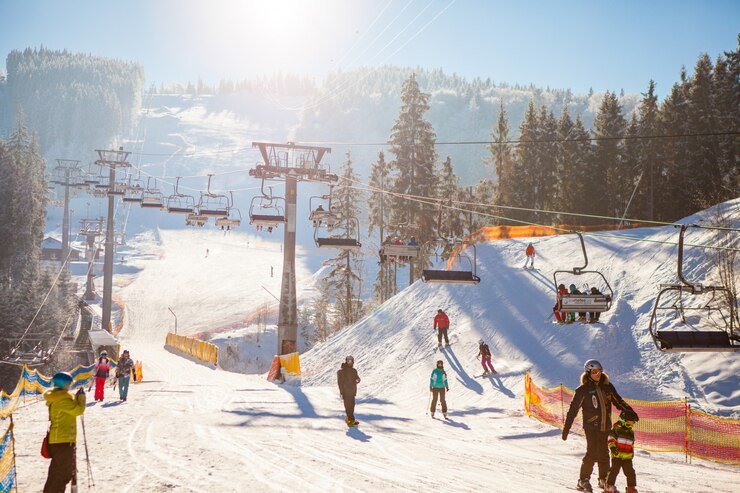
Best Ski Resorts in Switzerland
Best Ski Resorts in Switzerland
When it comes to skiing, Switzerland stands at the apex of around the world targets. Its notoriety is built on the dazzling see of the Swiss Alps, immaculate resort work environments, and unparalleled ski runs that cater to each level of skier. The blend of extravagance, association, and eco-friendly hones sets Swiss ski resorts confined from others around the world. From tenderfoots to organized competitors, Switzerland offers something for everyone.
My to begin with encounter skiing in Switzerland was nothing brief of mysterious. From the minute I laid eyes on the towering Matterhorn whereas skiing in Zermatt, I knew I was in for an experience that was both exciting and ecologically cognizant. In this direct, I’ll share the best ski resorts in Switzerland and everything you ought to know approximately making the most of your time on the slants whereas keeping supportability in mind.
Why Switzerland is the Ideal Ski Destination
Switzerland’s geological advantage, with the Alps running through its heart, actually makes it a skier’s heaven. But past the beautiful scenes and different landscapes, Switzerland’s maintainability endeavors have moreover played a major part in drawing eco-conscious sightseers. The Swiss government, along with numerous ski resorts, has contributed in renewable vitality, eco-friendly hones, and natural life preservation to guarantee tourism takes off negligible affect on the environment.
In expansion, Switzerland’s solid open transportation framework makes it simple to get to ski resorts without leasing a car. This, combined with the utilize of electric taxis in numerous resort towns like Zermatt, contributes to diminishing carbon outflows from tourism.
The Best Ski Resorts in Switzerland
1. Zermatt: Iconic & Eco-Friendly
Zermatt is maybe Switzerland’s most popular ski resort, and for great reason. With the notorious Matterhorn as its scenery, Zermatt offers year-round skiing on its icy masses and an broad organize of 360 km of pistes for all expertise levels.
What Sets It Separated: Zermatt’s commitment to maintainability is one of its characterizing highlights. It’s a car-free resort, which implies you’ll be getting around through electric taxis, strolling, or biking. Also, Zermatt is fueled by renewable vitality, counting sun based boards that work a few of the ski lifts.
Sustainability Highlights:
-
Zermatt's Gornergrat Railroad is an energy-efficient way to reach the best of the resort and offers extraordinary views.
-
Solar-powered ski lifts diminish vitality consumption.
-
The resort is included in natural life preservation endeavors, guaranteeing that nearby fauna such as ibexes and marmots can thrive.
During my remain in Zermatt, I remained at CERVO Mountain Resort, a extravagant however eco-friendly alternative. The resort runs on geothermal vitality, and the food served is locally sourced, making it a guilt-free liberality. Skiing in Zermatt was too special for the sheer differing qualities of slants. For tenderfoots, the gentler blue runs advertised plentiful space to hone, whereas master skiers may challenge themselves on the dark jewel runs close Matterhorn Ice sheet Paradise.
2. Verbier: A Mix of Glamour and Adventure
Located in the 4 Vallées ski region, Verbier is known for its dynamic nightlife, sumptuous chalets, and world-class off-piste skiing. It’s the go-to goal for thrill-seekers and progressed skiers, advertising more than 400 km of ski runs.
What Sets It Apart: Verbier is domestic to a few of the most energizing and challenging inclines in Switzerland. The resort is a hotspot for freeride skiing, and it frequently has universal competitions such as the Verbier Xtreme.
Sustainability Highlights:
-
Verbier has as of late taken strides to become more eco-friendly. The resort is committed to carbon lack of bias by contributing in green advances like energy-efficient snowmaking.
-
The lift framework in Verbier is among the most cutting edge and feasible in Switzerland, with a few lifts fueled by sun based energy.
Skiing in Verbier was elating. The assortment of off-piste alternatives made it a play area for progressed skiers. Remaining at W Verbier, an eco-conscious lodging that mixes fashion and supportability, was a highlight. Their endeavors toward lessening food squander and advancing energy-efficient hones were apparent all through my stay.
3. St. Moritz: The Birthplace of Alpine Winter Tourism
St. Moritz is synonymous with extravagance, and it’s where snow capped winter tourism was born. This resort has facilitated the Winter Olympics twice and is a center for the wealthy and popular. But underneath the glitz and allure, St. Moritz is profoundly committed to eco-friendly tourism.
What Sets It Apart: With its 350 km of ski runs, St. Moritz caters to each sort of skier. Be that as it may, what stands out is its accentuation on maintainability, especially in terms of vitality utilization. The resort has executed solar-powered ski lifts, and the nearby government is working on transitioning the town into a zero-emission resort.
Sustainability Highlights:
-
Solar boards on different inn housetops and lift stations control critical parcels of the resort’s operations.
-
The nearby community has contributed in biomass warming frameworks that keep inns warm without depending on fossil fuels.
-
Many of the high-end restaurants and hotels, such as the Kulm Hotel, utilize natural, locally sourced fixings to minimize their carbon footprint.
When I remained at the Badrutt’s Palace Hotel, I was awed by how extravagance and maintainability were consistently entwined. From energy-efficient warming frameworks to zero-waste approaches, St. Moritz guaranteed that high-end living didn’t come at a fetched to the environment. Skiing on the incredible Corvatsch Ice sheet was a highlight of my trip, advertising challenging slants nearby a few of the most breathtaking sees in the Alps.
4. Davos-Klosters: A Family-Friendly and Eco-Conscious Destination
Davos-Klosters is one of the biggest and most well-known ski resorts in Switzerland. With more than 300 km of slants, it offers a small bit of everything from delicate apprentice inclines to challenging off-piste options.
What Sets It Apart: Davos is an amazing goal for families, advertising a run of exercises that go past skiing. Also, the resort’s commitment to maintainability is momentous, particularly in its endeavors to utilize renewable vitality for its lift systems.
Sustainability Highlights:
-
Davos is known for its open transport framework, which is free for sightseers remaining in the town. This makes a difference decrease the number of cars on the streets, minimizing discuss pollution.
-
The resort employments biodegradable snow-making chemicals to guarantee the environment is secured whereas keeping up the ski slopes.
The family-friendly vibe at Davos-Klosters was a reviving alter from a few of the more high-end, select resorts. The center on maintainability was obvious all over, from reusing stations to eco-friendly ski hardware rentals. Remaining at the Schatzalp Inn, a car-free, notable inn that runs on hydroelectric control, made the involvement indeed more special.
5. Laax: Leading the Way in Sustainable Skiing
Laax is at the cutting edge of economical skiing. Found in Graubünden, it’s especially well known among snowboarders and youthful skiers. With over 224 km of inclines, Laax offers everything from wide, beginner-friendly pistes to adrenaline-pumping free-form parks.
What Sets It Separated: Laax is well on its way to getting to be the world’s to begin with energy-self-sufficient ski resort. The resort works beneath a comprehensive Greenstyle activity that points to decrease carbon emanations, minimize squander, and advance maintainable vitality use.
Sustainability Highlights:
-
Solar-powered lifts and hydroelectric vitality control the resort.
-
Laax has executed a zero-waste arrangement, with 95% of the squander delivered in the resort being recycled.
-
The resort empowers guests to utilize open transport by advertising reduced ski passes to those arriving by train.
Laax’s commitment to the environment was clear from the minute I arrived. The Riders Lodging, where I remained, was planned with maintainability in intellect, utilizing locally sourced materials and minimizing vitality utilization. On the slants, I had the chance to attempt out Laax’s Free-form Institute, where youthful skiers and snowboarders practiced traps on eco-friendly hardware.
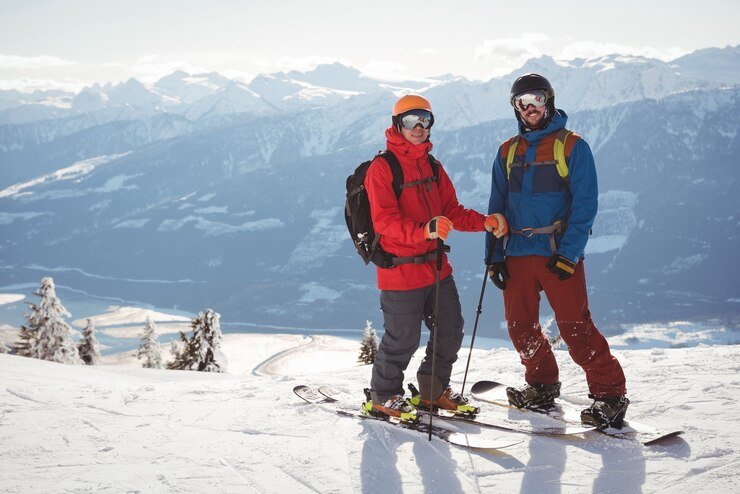
Sustainable Practices in Swiss Ski Resorts
1. Electric Ski Lifts and Solar-Powered Operations
Many ski resorts in Switzerland are joining sun based control and hydroelectricity into their operations. For illustration, Zermatt and Laax have grasped solar-powered lifts, lessening their reliance on fossil fills. The objective is to minimize the carbon impression whereas guaranteeing guests still appreciate top-quality facilities.
2. Car-Free Zones
Resorts like Zermatt and Mürren are completely car-free, meaning that travelers must depend on electric taxis, bikes, or their feet to get around. This essentially decreases discuss contamination and makes for a calmer, more quiet atmosphere.
3. Sustainable Architecture
Many of Switzerland’s ski resorts have grasped feasible building hones. Inns like Whitepod in Valais, with their energy-efficient geodesic arches, have made supportability a key center of their plan. These arches are warmed utilizing negligible vitality, and the materials utilized are locally sourced, minimizing their natural impact.
Other resorts, like Laax, have energy-efficient buildings certified beneath Swiss sustainability measures, such as Minergie. These buildings expend 50% less vitality than routine buildings, assist improving the eco-friendly offer of the resort.
4. Green Snowmaking
Switzerland’s commitment to protecting its shocking scenes whereas keeping up ideal ski conditions is apparent in its utilize of green snowmaking technologies. Numerous resorts are contributing in energy-efficient snow machines that utilize biodegradable snow-making chemicals. This guarantees that whereas manufactured snow is being delivered, it’s done in a way that minimizes natural impact.
Resorts such as St. Moritz and Verbier have contributed in energy-saving snowmaking frameworks that require less water and control. This is significant for resorts at lower elevations where snowfall can be unusual, and keeping up a steady snow base is fundamental for amplifying the ski season.
5. Waste Reduction Initiatives
Swiss ski resorts are making critical strides in diminishing squander. From reusing stations dabbed around the resorts to comprehensive zero-waste programs, the point is to redirect as much squander as conceivable from landfills.
For case, Laax’s Greenstyle activity has driven the way with its noteworthy zero-waste arrangement, with 95% of the resort’s squander being reused. The resort too empowers guests to minimize their squander through campaigns advancing reusable bottles, biodegradable food bundling, and compostable cutlery.
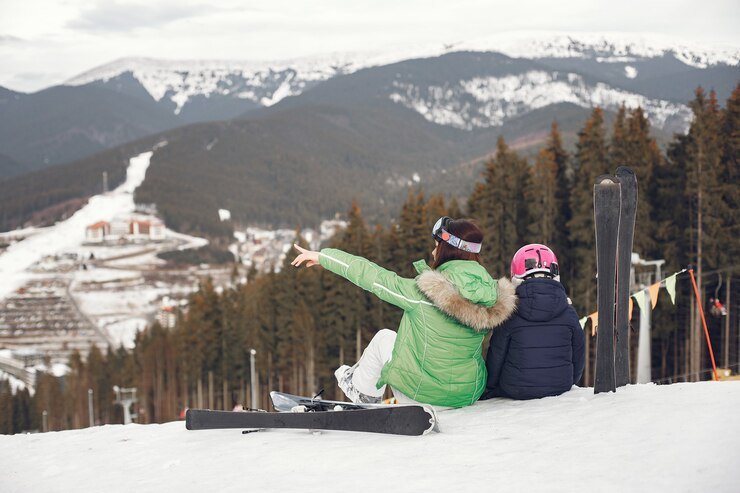
Best Time to Visit Swiss Ski Resorts
Knowing the best time to visit Swiss ski resorts is pivotal for arranging the culminate ski trip. By and large, the ski season in Switzerland endures from late November to April, but the particular timing can shift based on elevation and climate conditions.
December to February: Peak Season
December to February is considered crest season in Switzerland. This is when the snow conditions are most dependable, particularly at higher heights like Zermatt and St. Moritz. Amid these months, resorts tend to be busier, and costs for lodging are at their most elevated. However, the upside is that guests are ensured incredible skiing conditions and dynamic après-ski activities.
For those looking for the full winter experience—Christmas markets, Modern Year’s Eve celebrations, and snow-covered villages—this is the perfect time to visit. Be that as it may, if you’re trusting for a more eco-friendly, low-impact trip, consider booking early and utilizing open transportation instep of leasing a car. The Swiss Travel Pass offers boundless travel on open trains, buses, and water crafts, making it a awesome maintainable option.
March to April: Late Season
If you lean toward less swarms and hotter temperatures, Walk to April is an amazing time to visit Swiss ski resorts. The days are longer, the sun is hotter, and there are still bounty of openings for skiing. Resorts such as Verbier and Davos-Klosters offer late-season skiing, where the higher heights guarantee great snow scope indeed into late April.
Many resorts too offer spring skiing bargains, which can offer assistance decrease the fetched of your trip. The drawback, in any case, is that snow conditions can ended up slushy at lower elevations, and a few runs may near early.
I’ve found that late Walk offers the culminate adjust between great skiing conditions and less swarms. Skiing in Zermatt amid this time implied shorter lift lines and sunny evenings went through getting a charge out of the resort’s car-free, quiet atmosphere.
Tips for First-Time Skiers in Switzerland
If you’re unused to skiing or going by Switzerland for the to begin with time, here are a few fundamental tips to offer assistance you make the most of your trip:
1. Book early.
Switzerland’s ski resorts are inconceivably prevalent, particularly amid the top season. Booking your convenience, ski passes, and hardware rentals in development can spare you a part of cash and guarantee accessibility. Well known resorts such as Zermatt and St. Moritz tend to get completely booked months in development, so arranging early is key.
2. Use public transport.
One of Switzerland’s greatest preferences is its fabulous open transportation framework. Utilizing trains, buses, and vessels to travel to and from ski resorts is not as it were eco-friendly but moreover profoundly helpful. Numerous resorts, such as Davos and Zermatt, offer rebates on ski passes if you arrive by train.
The Swiss Travel Pass offers boundless travel over Switzerland’s broad open transport organize, and it’s especially valuable for guests who arrange to ski at different resorts amid their trip.
3. Pack the Right Gear
Swiss climate can be erratic, so it’s critical to pack suitably. Guarantee that your ski adapt is waterproof and planned for cold temperatures. Numerous resorts moreover offer gear rentals, so if you lean toward to travel light, you can lease your skis, boots, and shafts upon arrival.
Additionally, it’s fundamental to bring sunscreen. Indeed in spite of the fact that the temperatures are cold, the sun’s reflection on the snow can cause genuine sunburn, particularly at higher altitudes.
Unique Attractions and Encounters in the Best Swiss Ski Resorts
While skiing is without a doubt the primary fascination, Swiss ski resorts offer a wide run of off-slope exercises that can make your trip indeed more memorable.
Heli-Skiing
For advanced skiers looking for a energize, heli-skiing is an energizing choice. Resorts like Zermatt, Verbier, and St. Moritz offer heli-skiing experiences that allow you to be dropped off by helicopter at the best of an untouched slant. From there, you can ski down culminate powder that’s removed from the swarmed pistes.
Spa and Wellness
Many Swiss ski resorts offer world-class spa and wellness offices. After a long day on the slants, there’s nothing superior than unwinding in a warm shower or getting a charge out of a deep-tissue knead. Resorts such as St. Moritz and Zermatt are domestic to a few of the most extravagant wellness centers in the world, numerous of which consolidate common components like mountain water, fundamental oils, and neighborhood herbs.
Snowshoeing and Winter Hiking
If skiing isn’t your thing or you require a break from the slants, various resorts offer snowshoeing and winter climbing trails. These trails take you through a few of the most wonderful ranges in the Alps, allowing you to experience the fabulousness of the mountains at a slower pace.
During my remain in Davos, I joined a snowshoeing visit that took me profound into the Rinerhorn Valley. The serenity of the snow-covered woodland and the breathtaking sees made it one of the most important encounters of my trip.
Summary
Switzerland’s ski resorts offer an unparalleled winter involvement, combining world-class skiing with feasible tourism hones that make them a beat choice for eco-conscious travelers. From Zermatt’s car-free boulevards and solar-powered lifts to Laax’s zero-waste approach, Swiss ski resorts are driving the way in making naturally inviting winter holidays.
Whether you’re a prepared skier or a first-time guest, these resorts cater to each aptitude level and offer a run of lavish however eco-conscious lodging, guaranteeing that you can appreciate the excellence of the Swiss Alps whereas minimizing your natural impact.
Ready to arrange your maintainable Swiss ski occasion? Book your eco-friendly remain and hit the inclines in one of the world’s most excellent, capable goals! Continuously remain mindful, and don’t disregard to subscribe to our pamphlet to get modern upgrades frequently.
Mountain Climbing in Switzerland | Ultimate Guide
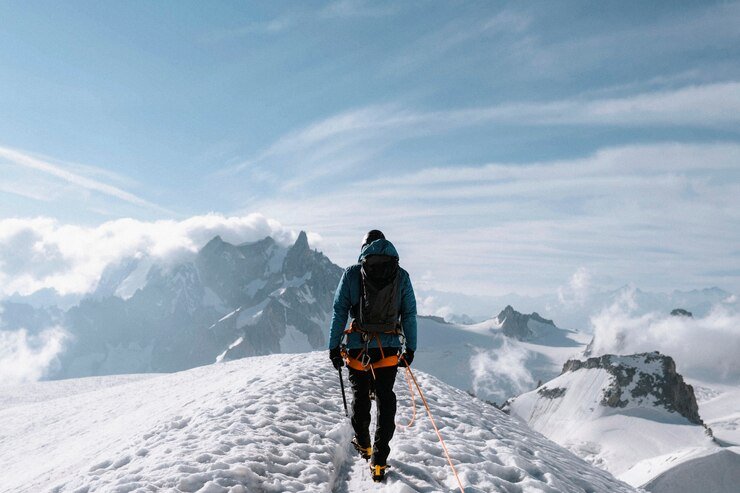
Mountain Climbing in Switzerland, with its grand Alps and rough landscape, is a heaven for mountain climbers. Each year, thousands of globe-trotters run to its crests, from the notorious Matterhorn to the towering Eiger. However, as mountain tourism increments, so does the natural affect. To protect these normal ponders for future eras, the concept of maintainable mountain climbing has risen as a crucial viewpoint of Swiss tourism.
Sustainable climbing is not fair approximately ensuring the environment! It's moreover around regarding neighborhood societies, biological systems, and the fragile adjust of nature that climbers associated with. I keep in mind my to begin with rising of Piz Bernina, where each step reminded me of the significance of keeping these grand places perfect for future climbers.
This direct will investigate how mountain climbers can minimize their natural affect, grasp economical hones, and still appreciate the unparalleled excellence and challenge of Swiss mountains.
The Environmental Impact of Mountain Climbing
Mountain climbing, whereas elating, can have noteworthy natural impacts if not overseen mindfully. The sheer number of climbers can cause harm to trails, vegetation, and natural life. Besides, squander cleared out behind by climbers—such as plastic, food wrappers, and climbing gear—can have a enduring affect on delicate snow capped ecosystems.
Key Environmental Challenges
-
Trail Disintegration: Overwhelming foot activity can lead to disintegration, harming the territory and exasperating neighborhood greenery and fauna.
-
Waste Administration: The amassing of squander, particularly at tall elevations, is a major issue. Plastic and other non-biodegradable materials cleared out by climbers can contaminate the environment for years.
-
Carbon Impression: Numerous climbers travel long separations to reach Swiss climbing spots, contributing to CO2 outflows through flights, cars, and helicopters.
These challenges highlight the require for maintainable hones to minimize harm whereas still permitting climbers to appreciate Switzerland's mountains.

Sustainable Climbing Practices
To secure Switzerland’s mountains, climbers must receive feasible climbing hones. Here are a few methodologies that can offer assistance decrease the natural affect of mountain climbing:
1. Leave No Trace
The Leave No Follow guideline is central to economical mountain climbing. This incorporates not taking off squander behind, remaining on stamped trails, and maintaining a strategic distance from exasperating natural life. Climbers ought to pack out all squander, counting biodegradable things like nourishment scraps, as these can still disturb the neighborhood ecosystem.
Example: During a trip to the Bernese Oberland, I saw first-hand how imperative it was to carry all junk back to the town. Indeed the littlest sweet wrapper can cause hurt if cleared out behind.
2. Eco-Friendly Gear
Choosing eco-friendly climbing equip can too make a contrast. Numerous open air brands are presently creating maintainable hardware, such as reused materials, biodegradable chalk, and clothing made from natural or reused fabrics.
-
Sustainable Equip Example: Brands like Patagonia and Dark Jewel are driving the way in creating climbing equip with a center on maintainability, guaranteeing that climbers can appreciate high-quality hardware whereas decreasing their natural impact.
3. Minimize Carbon Emissions
One of the best ways to decrease your carbon impression whereas climbing in Switzerland is to utilize economical transportation choices. Instep of driving or flying, climbers can take advantage of Switzerland’s broad open transport framework, which incorporates trains, buses, and cable cars fueled by renewable energy.
-
Public Transport Case: The Swiss Travel Pass offers get to to trains and cable cars, permitting climbers to reach farther mountain zones with negligible natural impact.
4. Choose Sustainable Routes
Some climbing courses are more ecologically inviting than others. Choosing less-trafficked courses can decrease clog and the consequent wear and tear on prevalent climbing trails. By spreading out the affect, climbers can offer assistance secure delicate zones from overuse.
Swiss Organizations Promoting Sustainable Climbing
Several Swiss organizations are effectively working to advance maintainable mountain climbing and secure the environment:
1. Swiss Alpine Club (SAC)
The Swiss Alpine Club (SAC) is one of the driving organizations committed to advancing maintainable hones in the mountains. They offer eco-friendly cabins where climbers can remain overnight, minimizing their affect on the environment. These hovels work with renewable vitality and utilize squander administration frameworks to decrease pollution.
I remained at the Monte Rosa Hovel, an SAC-operated protect close the Matterhorn. Fueled by sun oriented boards and prepared with a water collection framework, the hovel advertised a maintainable and comfortable base for climbers.
2. Mountain Wilderness Switzerland
Mountain Wilderness Switzerland is another key player in the development for maintainable climbing. They advocate for wild conservation and advance low-impact climbing. The organization too runs activities to evacuate ancient climbing foundation, such as rusting jolts and surrendered adapt, to reestablish the mountains to their characteristic state.
3. UIAA Sustainability Commission
The Universal Climbing and Mountaineering Alliance (UIAA) advances worldwide supportability in mountain sports. Through their Maintainability Commission, they create rules for eco-friendly mountaineering and guarantee that climbing organizations around the world, counting in Switzerland, embrace economical hones.
Sustainable Climbing Destinations in Switzerland
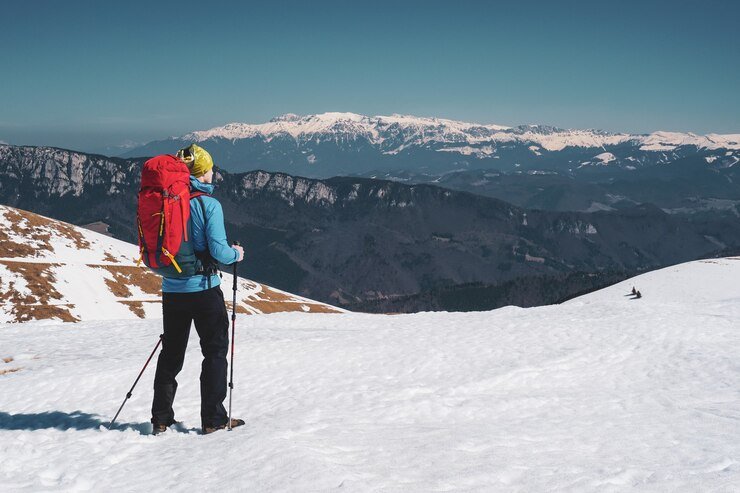
Mountain Climbing in Switzerland offers a run of climbing goals that prioritize maintainability whereas advertising extraordinary experiences.
1. Piz Bernina
As the most elevated crest in the Eastern Alps, Piz Bernina is a prevalent goal for mountain climbers looking for a challenging climb. Maintainable measures, such as controlled get to focuses and eco-friendly hovels like the Tschierva Cottage, guarantee that climbers can involvement the excite of the climb without harming the environment.
2. Matterhorn
The Matterhorn is one of the most notorious mountains in the world. Endeavors to minimize the natural affect of climbing this celebrated crest incorporate controlled get to to certain ranges and the utilize of maintainable cable cars. Neighborhood specialists empower climbers to follow to eco-friendly standards, guaranteeing that the magnificence of the Matterhorn remains intaglio for future generations.
3. Eiger
The north confront of the Eiger is incredible among climbers, but it is moreover an zone where feasible tourism endeavors are in full drive. The Kleine Scheidegg railroad, which runs on clean vitality, gives get to to the mountain, minimizing the require for private vehicles. The region moreover brags a few eco-friendly lodges that bolster economical tourism.
Sustainable Mountain Climbing and Local Communities
Sustainable mountain climbing in Switzerland is not fair approximately ensuring the environment—it’s too around supporting nearby communities. Numerous Swiss towns depend on tourism for their employments, and maintainable tourism hones guarantee that these communities can proceed to flourish without overexploiting their common resources.
-
Local Impact: In the town of Zermatt, neighborhood businesses have grasped economical tourism by sourcing nourishment locally, supporting eco-friendly housing, and lessening squander through reusing programs. Climbers who visit these ranges are empowered to lock in with nearby activities, guaranteeing that their nearness benefits the community.
Supporting Eco-Tourism
Swiss resorts and lodgings are progressively advertising eco-tourism bundles that incorporate maintainable climbing encounters. These bundles frequently incorporate remains at eco-friendly lodges, guided visits with a center on natural instruction, and get to to adapt made from maintainable materials.
Future Patterns in Feasible Mountain Climbing
As climate alter proceeds to debilitate mountain environments, economical climbing hones will gotten to be indeed more imperative. A few future patterns in mountain tourism are likely to rise in the coming years:
-
Carbon Impartial Climbing: Resorts and climbing guides are working towards advertising carbon-neutral climbing encounters, offsetting emanations through reforestation programs and renewable energy.
-
Technology for Preservation: Progressed innovations, such as rambles and sensors, will be utilized to screen the natural affect of climbing and guarantee that delicate regions are protected.
-
Increased Direction: As climbing gets to be more well known, stricter directions are anticipated to ensure the most well known courses from abuse, guaranteeing that the mountains stay pristine.
Climbing with a Conscience
Mountain climbing in Switzerland offers globe-trotters the chance to involvement a few of the most breathtaking scenes on soil. By receiving economical hones, climbers can guarantee that these characteristic ponders are protected for future eras. From eco-friendly equip to carbon-neutral travel and squander administration, there are numerous ways to minimize your natural affect whereas still getting a charge out of the excite of scaling the Alps.
Ready to set out on a maintainable climbing experience? Investigate eco-friendly climbing courses, back nearby communities, and diminish your carbon impression whereas getting a charge out of the grandness of Switzerland’s famous crests. Continuously remain mindful and do not disregard to subscribe to our pamphlet to get unused overhauls frequently.
Switzerland’s Wildlife Reserves - Guide to Responsible Tourism
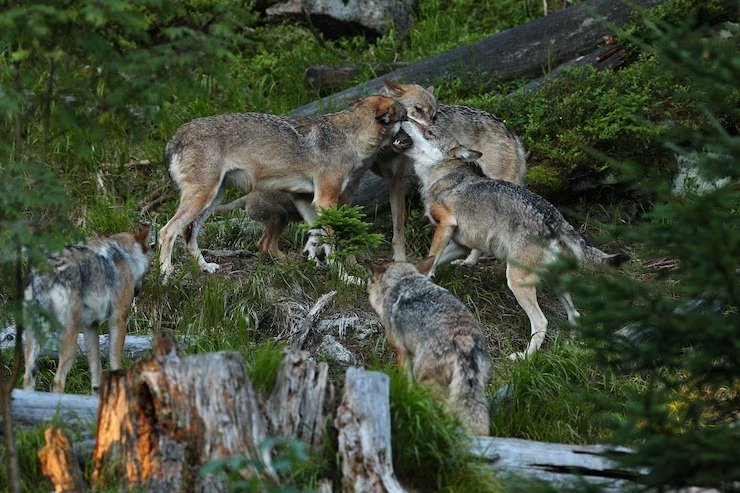
Switzerland’s Wildlife Reserves is domestic to an bewildering cluster of natural life and normal scenes, from the magnificent crests of the Swiss Alps to the quiet shores of its numerous lakes. With over 650 nature saves and various national parks, the nation offers sufficient openings for natural life devotees and eco-conscious travelers. Mindful tourism in these regions is vital for moderating biodiversity and supporting neighborhood communities. But how can one investigate Switzerland's common magnificence whereas minimizing its natural impact?
Imagine standing on a mountain path, looking down at a flawless valley where ibexes meander openly, or paddling a canoe on a calm lake encompassed by rich woodlands. Amid my visit to the Swiss National Park in Graubünden, I was flabbergasted by the flawless magnificence of the scenes and the concordance between people and nature. It was at that point I realized that encountering Swiss natural life dependably not as it were upgrades our association to nature but too contributes to its preservation.
In this article, we will investigate Switzerland’s natural life saves and give a comprehensive direct to capable tourism, guaranteeing that your undertakings in the extraordinary outside are pleasant and feasible.

Understanding Wildlife Reserves and Responsible Tourism
What are Wildlife Reserves?
Wildlife saves are secured zones set up to preserve biodiversity, give environment for local species, and advance natural instruction. In Switzerland, these saves run from huge national parks to littler nature saves and are overseen with strict preservation guidelines.
Key Characteristics:
-
Biodiversity Conservation: Secures a assortment of environments and ecosystems.
-
Sustainable Tourism: Empowers capable guest behavior to minimize natural impact.
-
Research and Education: Serves as destinations for logical inquire about and instruction on conservation.
The Significance of Dependable Tourism
Responsible tourism is an approach that prioritizes the welfare of neighborhood communities, situations, and natural life. It energizes guests to lock in in maintainable hones, guaranteeing that tourism does not compromise the keenness of characteristic habitats.
Trends and Developments:
-
The Swiss government has executed activities to advance economical tourism, centering on moderating nature and supporting neighborhood economies.
-
The Government Office for the Environment (FOEN) energizes guests to regard nature and natural life, supporting for hones that diminish natural affect.

Exploring Switzerland’s Wildlife Reserves
Swiss National Park (Parc Naziunal Svizzer)
Located in Graubünden, the Swiss National Stop is Switzerland’s as it were national stop, covering over 68,000 sections of land. Built up in 1914, it points to protect the region's normal magnificence and biodiversity.
Wildlife and Activities
-
Flora and Fauna: Domestic to over 80 species of warm blooded creatures, counting ibexes, chamois, and ruddy deer, along with a differing extend of plant species.
-
Activities: Guests can appreciate climbing trails, natural life observing, and guided nature tours.
Responsible Tourism Tips
-
Stay on Assigned Trails: Ensure living spaces by staying to checked paths.
-
Avoid Exasperating Natural life: Keep up a conscious remove from creatures to anticipate stress.
While climbing in the Swiss National Stop, I experienced a group of ibexes on a rough slant. By watching from a remove and remaining calm, I was able to appreciate their characteristic behavior without interfering on their habitat.
La Suisse Romande: Nature Saves of the French-speaking Region
The French-speaking portion of Switzerland, known as La Suisse Romande, is domestic to a few nature saves that exhibit the region’s different natural life and ecosystems.
Highlights
Vaud Territorial Nature Stop: Known for its rolling slopes and vineyards, this stop offers a one of a kind mix of rural scenes and wildlife.
Les Grangettes Nature Save: Found on the shores of Lake Geneva, this save is crucial for transitory feathered creatures and offers guests a chance to investigate wetlands.
Responsible Tourism Tips
-
Support Neighborhood Makers: Appreciate neighborhood wines and cheeses whereas going to, contributing to the region’s economy.
-
Participate in Guided Tours: Learn around nearby vegetation and fauna whereas guaranteeing you’re taking after economical practices.
At Les Grangettes, a guided birdwatching visit permitted me to witness transient winged creatures in their normal environment. The direct emphasized the significance of keeping up the sensitive adjust of this biological system, fortifying the thought that dependable tourism benefits both natural life and nearby communities.

Emmental: A Locale of Green Pastures and Wildlife
Famous for its cheese, the Emmental locale moreover brags wonderful scenes and differing natural life. This zone is wealthy in social legacy and offers openings for eco-conscious travelers.
Wildlife and Activities
-
Flora and Fauna: Domestic to differing species such as foxes, deer, and different birds.
-
Activities: Climbing, cycling, and cheese-making workshops are well known in this pleasant region.
Responsible Tourism Tips
-
Use Open Transportation: Reach Emmental by prepare or transport to diminish carbon emissions.
-
Engage with Nearby Agriculturists: Take part in cultivate visits to learn almost feasible agrarian practices.
During a visit to a neighborhood cheese plant, I found how conventional cheese-making strategies are not as it were scrumptious but moreover feasible. Locks in with the neighborhood culture made a difference me get it the association between cultivating hones and natural life conservation.
The Aletsch Glacier Region: Nature’s Magnificent Ice Field
The Aletsch Icy mass, a UNESCO World Legacy location, is the biggest ice sheet in the Alps and a staggering show of common magnificence. The encompassing locale is known for its special greenery and fauna.
Wildlife and Activities
-
Biodiversity: The region is domestic to uncommon elevated species and is basic for frigid ecology.
-
Activities: Climbing, icy mass visits, and instructive programs centered on climate alter and its impacts on glaciers.
Responsible Tourism Tips
-
Choose Eco-Friendly Visits: Pick for guided visits that center on maintainability and education.
-
Respect Natural Controls: Take after all rules set by stop authorities to secure the delicate ecosystem.
On a guided climb around the Aletsch Ice sheet, our direct shared experiences on the affect of climate alter on this magnificent icy mass. It fortified the significance of capable tourism in protecting characteristic ponders for future eras.

Future Trends in Sustainable Tourism in Switzerland
Current Trends
Sustainable tourism in Switzerland is picking up force, with expanding accentuation on minimizing natural affect and protecting social legacy. Here are a few vital trends:
-
Digital Devices for Eco-Travel: Numerous travelers are utilizing versatile apps to discover eco-friendly lodging, economical transportation choices, and neighborhood attractions.
-
Increased Mindfulness: There is a developing mindfulness among sightseers almost the significance of supporting nearby economies and locks in in capable travel practices.
Predicting Future Trends
As sustainable tourism proceeds to advance, we can anticipate to see:
-
More Eco-Certified Businesses: Expanded certification for inns and eateries that meet strict maintainability criteria.
-
Community-Led Initiatives: More grassroots developments centered on nearby preservation endeavors and advancing capable tourism.
Engage with Switzerland’s Wildlife Responsibly
Exploring Switzerland’s natural life saves offers an unimaginable opportunity to interface with nature whereas contributing to the conservation of its special biological systems. By choosing eco-friendly housing, locks in in maintainable hones, and regarding neighborhood societies. You can guarantee that your voyages are pleasant and advantageous for the environment and neighborhood communities.
Are you ready to investigate Switzerland’s natural life capably? Share your encounters and don’t disregard to Subscribe to our bulletin for more subtle elements and you will be sent customary overhauls on economical tourism in Switzerland!

How to Engage with Swiss Culture | Ultimate Guide
How to Engage with Swiss Culture, it was eye-opening. The chilly mountain air, the flawlessly on-time trains, and the interesting old towns all felt postcard-y. But then I learned that getting to be portion of Swiss life meant more than taking in the sees; it was too approximately how the Swiss live.
Why are the Swiss so reliable, I hear you inquire? Or why do Sundays seem almost as well calm? Maybe you haven’t known whether to offer a handshake or incline in for a cheek kiss. Believe me, I’ve been there!
I made a couple of social faux pas amid my first few days too, like putting junk in the off-base container (it is a huge bargain here!) and arriving at a supper welcome a few minutes late, as it were to be greeted by stares.
Swiss culture is characterized by accuracy, regard, and community. Whether you are a apprentice, an expat, or a guest, knowing these small social subtleties can boost your assurance and make comfortable living conceivable here.
In this direct, I’ll share accounts, individual exhortation, and tips on the etiquette you require to know to lock in with Swiss culture like a nearby. Prepared to plunge in? Let’s go!
Respect Promptness (Time is Sacred)
I will never forget the first time I realized how genuine the Swiss are almost being on time. I had been welcomed to a little supper in Zurich, and in spite of my best eagerly, I showed up seven minutes late. That appeared like nothing to me! I had indeed texted a quick Be there soon!
But when I arrived, I felt a diverse vibe in the discuss. My have invited me graciously, in spite of the fact that not some time recently he said, We were fair around to begin without you. That’s when I realized time in Switzerland is sacred.
The Swiss do not get it reliability as simple great conduct; they consider it a check of regard. Whether you are assembly somebody for a coffee date, a work assembly, or fair assembly up, being reliable (in a perfect world a few minutes some time recently the time, if conceivable) illustrates that you esteem other people’s time as much as your own.
Personal Tip: Send a message in progress if you expect being late indeed by two minutes or three minutes. Swiss like the affability, indeed if they might still wrinkle their nose at the delay.
Another thing that perplexed me? Swiss trains, buses, and cable cars run with clockwork precision. I was stunned when I missed a prepare the first time by literally 30 seconds.
I thought, Unquestionably they’ll hold off a moment. But no Swiss transport follows precisely the clock, to the moment. That’s when I learned a brilliant run the show: If a prepare takes off at 10:15, be on the stage by 10:14, or you will be out there waving goodbye!
Once you adjust to it, Swiss reliability is a way of life or maybe than a run the show and unbending plan. Presently I do get irritated when others are late it’s astounding what you get utilized to!
Learn the Art of Greeting
There were some cringe minutes, but one of my more ungainly ones came early in Switzerland. It was my to begin with week of a unused work in Zurich, and on my moment day, a colleague advertised his hand in welcoming, which I took to cruel he was amplifying his hand in a handshake, so I put mine out certainly. Instep of shaking it, in spite of the fact that, she inclined in for a cheek kiss, and before I realized it, we were locked in in an ungainly move of delay. I sponsored off she went in it full of shit.
That’s when I caught on: that Swiss welcome are not widespread they alter concurring to the locale and the degree of familiarity.
Here’s what you need to know:
In German-speaking Switzerland 🇩🇪: A solid handshake with coordinate eye contact is anticipated, particularly in a commerce setting or when meeting someone for the first time.
In France and Italian-speaking regions 🇫🇷 🇮🇹: When welcoming a friend, or somebody you know, see for a three-cheek kiss (left-right-left).
With near companions and family: It is the cheek kiss run the show all over, at slightest in the German-speaking parts. But a few incline toward a embrace or a casual wave, it depends on the relationship.
Personal Tip: If you aren’t beyond any doubt how to welcome somebody, let them do it. So live with a nearby, since the Swiss are usual to foreigners who don’t know each run the show, and they’ll tell you like it is, naturally.
I have since learned the Swiss welcoming traditions, but to this day, each once in a whereas, some time recently welcoming somebody, I make a slight stop and go through half a moment of perusing the circumstance. The great news? The Swiss appreciate the exertion, and indeed if you make a botch, they won’t hold it against you (well, not seriously!).
Have you ever had an cumbersome welcoming minute in Switzerland? Tell me I’d love to listen your stories!
Understand Swiss Directness – It’s Not Rudeness!
One of my early business gatherings in Switzerland felt like recently. Having fair pitched an thought that I thought was beautiful well arranged, I turned to a Swiss colleague for input. Their reaction? This is not productive. Fair a straight evaluation, no decorations, no cushion. For a minute, I was shocked. In numerous societies, individuals mood basic input with phrases like, That’s curiously, but maybe we might move forward it a bit, or It’s a great begin but let’s upgrade it. But in Switzerland? You get the truth in a crude and unfiltered way.
Initially, I found this straightforwardness a little harsh. But as time went on, I realized it was strengthening. Swiss individuals favor genuineness and proficiency to pointless socializing. If something doesn’t work, they’ll explain. If they do, they’ll not beat around the bush they tell it like it is. But here’s the thing: it’s not personal.
Personal Tip: If you are given limit feedback by a Swiss individual, do not take it as an assault. They are not discourteous they are just efficient. The Swiss like the same degree of explicitness back. If you sugarcoat your words as well much, they might question your trustworthiness or indeed call you insincere.
Why take 10 words to say something when you can say it in five? one of my Swiss companions once told me. That pretty much summarizes Swiss communication as exact, real, and no bullshit.
Once you get this, it makes discussions with the Swiss much smoother. You appreciate the explicitness, and in chamber music, you are regarded for being coordinate too.
Appreciate the Calm – Particularly on Sundays
I learned the difficult way that Switzerland adores peace. It was my to begin with Sunday in Zurich and I had fair moved into my modern loft. Prepared to settle in, I tore into the boxes and vacuumed my living room. Huge botch. Inside minutes, a delicate but unyielding knock sounded at my entryway. My old Swiss neighbor was standing there, grinning considerately, but with an unmistakable message: Pardon me, but you know it’s Sunday, yes?
At to begin with, I didn’t get it. So what if it’s Sunday? But at that point I found out that Sundays are sacrosanct for resting in Switzerland and that implies no noise, no development, no grass cutting, no vacuum cleaning! A parcel of Swiss people see Sundays as a day for rest, family, or communing with nature and take this unwritten run the show to heart.
Personal Tip: If you live in an apartment, see up the house rules (Hausordnung). Some even have rules approximately when you can do clothing or take the waste out. You won’t get fined for breaking these rules, but you will get a few frowns from your neighbors.
At to begin with, I thought this Sunday's silence was peculiar, but presently? I adore it. Walking in a Swiss town on a Sunday, hearing as it were chirping fowls and ringing chimes in the separate is fair so zen. It’s a update to take it moderate, unplug, and basically appreciate the day.
Embrace Swiss Outdoor Culture
I thought I cherished nature before I came to Switzerland. But after a few months here, I learned that the Swiss take open air life up a score. Dating back to Sunday, a companion from Switzerland inquired me to connect for a small walk. I thought it would be a relaxed walk until I somehow finished up climbing a mountain path for hours! That’s when I found out: in Switzerland, the outside is more than a diversion, it’s a lifestyle.
Why Nature Is a Big Deal in Switzerland
Switzerland’s emotional view - towering Alps, shiny lakes, and miles of climbing trails isn’t just for sightseers. For the Swiss, time went through in nature is part of the social texture. From skiing in winter, hiking in summer, or indeed fair lakeside picnicking - it’s a must.
How to Take the Swiss Open air Approach
Hike: Switzerland has 65,000 km of stamped trails. For extraordinary sees, attempt Lauterbrunnen Valley or Oeschinensee.
Go swimming in a lake: Local people appreciate swimming in Lake Geneva, Lake Zurich, or Lake Lucerne in summer.
Become a part of a nearby sports club: There are numerous climbing, skiing, or cycling bunches that Swiss people belong it’s a incredible way to make friends!
Respect the environment: The Swiss are greatly genuine almost environmental preservation. Stay on assigned trails and pack out everything you bring in.
Tip for Making Local Friends: If a fellow you met in Switzerland inquires you out for a walk, take climbing shoes! For them, a walk may be a mountain climb. Accept me, I know, the hard way!
Being outside isn’t all almost the work out - it’s an opportunity to interface with the Swiss culture, take in the excellence of the nation, and be at domestic. So put on those climbing boots and get out there!
Follow Recycling Rules
When I to begin with moved to Switzerland, I thoughtlessly hurled a plastic bottle into the customary waste container. The next morning, it was back exterior my entryway my neighbor had angled it out and, respectfully, clarified I had utilized the off-base container. And that’s when I realized: that Swiss reusing is no joke!
Switzerland has one of the world's most labor-intensive reusing frameworks, and everyone obeys. If junk isn’t fair tossed absent it’s fastidiously sorted into seven distinctive categories for things such as paper, glass, plastics, aluminum, natural squander, and at that point common squander that can’t go in the to begin with six go into special orange bags.
How to Recycle Like a Swiss
Use the rectify packs - In most regions, you require to dispose of family junk in an official Zürisack or another saddled waste sack. Standard waste isn't cheap; recycling is encouraged.
Sort accurately - glass bottles go in glass containers (by color), plastic goes in assigned collection focuses, and nourishment waste is composted.
Check collection days - A few materials are as it were picked on certain days; cardboard, for example.
Personal Tip: If you are befuddled, counsel your nearby community’s site to learn its reusing rules; they contrast somewhat by each canton. Or essentially inquire a Swiss neighbor and they’ll joyfully help (and probably help you if you get it wrong!).
Following reusing rules isn’t as it were almost dodging fines it’s regarding Switzerland’s pledge to maintainability. Do it well, and you’ll feel like a local!
Learn A few Swiss German (or French, or Italian)
When I first came to Switzerland, I thought that I seem get by with my simple tall German. But after strolling into a shop in Zurich and welcoming the shopkeeper with an self-assured Guten Tag, I gotten a clear gaze and the answer in Swiss German: Grüezi! Wie gaht’s? That’s when it hit me: Swiss German is another planet!
Switzerland has four official dialects, but you’ll for the most part listen, depending on where you are:
🇩🇪 Swiss German (Schweizerdeutsch) – Talked in Zurique, Berna, and most of the nation. It’s very different from standard German!
🇫🇷 French - The primary language of Geneva, Lausanne, and western Switzerland.
🇮🇹 Italian - The primary talked dialect in Ticino, close to Italy.
🇷🇺 Romansh - A lovely, but uncommon dialect talked by less than 1% of the Swiss population, primarily found in Graubünden.
Why It Is Vital To Learn A few Phrases
Although numerous Swiss individuals talk English, utilizing neighborhood words illustrates regard and helps you in establishing a bond. Fair a small Merci vill (Swiss German for much appreciated a parcel) can make the day for someone!
Must-Know Swiss Dialect Phrases
🇩🇪 Swiss German: Grüezi (Hi), Merci vilmal (Thanks a parcel), Es guets Neus! (Cheerful Unused Year!)
🇫🇷 French: Bonjour, Merci beaucoup, Santé! (Cheers!)
🇮🇹 Italian - Ciao (Hello/Bye), Grazie mille (Thanks a parcel), Come stai? (How are you?)
Personal Tip: I started receptively welcoming individuals with Grüezi instep of Hallo and got friendlier responses broadly individuals appreciate such effort!
You don’t have to talk it fluently but picking up a few words in progress will offer assistance you feel at domestic in Switzerland!
Experience Swiss Celebrations & Traditions!
I will never disregard my first Fasnacht (Carnival) in Basel the lanes were filled with veiled figures, frightening piccolo music, and a thick layer of confetti. Um, it was nothing like any celebration I had been to some time recently! That was when I caught on that Switzerland is more than mountains and chocolate it’s a land of conventions, of which the local people are proud.
In Switzerland, antiquated conventions meet with a solid sense of community in centuries-old celebrations. If you need an authentic Swiss encounter, you have to take an interest in Swiss culture firsthand!
Best Swiss Celebrations to Experience
Basler Fasnacht (Basel Carnival) - February/March
-
Switzerland’s biggest carnival - with a mysterious Morgestraich parade at 4 A.M.
-
Expect costumed dancers, tongue-in-cheek drifts, and never-ending confetti assaults (don’t battle it, fair embrace!).
Insider Tip: If are fun of the occasion, make beyond any doubt to purchase a Blaggedde (celebration identification), and keep on neighborhood who may trick you with confetti!
Alpabzug – September/October
-
The descente des vaches: the cattle return from the snow capped pastures, embellished with colorful wreaths and bells.
-
Most impressive in Entlebuch, Appenzell, or Lauterbrunnen.
Tip: Arrive early to get a great spot and eat a few neighborhood cheese and Rösti at the nourishment stalls!
Fête de l’Escalade (Genève) – décembre
A authentic reenactment commemorating Geneva’s 1602 vanquish of the Duke of Savoy.
Expect medieval outfits, parades, and chocolate Marmite pots filled with marzipan veggies.
Local Tip: When crushing the chocolate pot, local people chant, Ainsi périrent les ennemis de la République! (So kicked the bucket the foes of the Republic!) connect in for great luck!
Why Celebrations Matter
Locals appreciate such occasions it is not for remote sightseers or Swiss conventions. Joining them is the most true way of encapsulating the Swiss way of life and learning what makes a locale unique.
Watch but don’t fair observe take part in it! Wear a Fasnacht veil, warble at a legends celebration, or dance in the boulevards on national occasions. That’s how you get into the Swiss soul!

Dining Etiquette – Don’t Toast Without Eye Contact!
When I went to my first Swiss supper party, I certainly lifted my glass and said, Prost! As it were to remember I made a rookie blunder. I indeed forgot to make eye contact whereas toasting. A Swiss companion inclined over and whispered to me: In Switzerland, you’re going to have terrible luckiness if you don’t see individuals in the eye! Lesson learned!
Swiss feasting culture is a combination of convention and warmth, and knowing the implicit rules can save you from cumbersome minutes. Goes almost noble table conduct fondue or an lovely restaurant in Zurich Informalities do make a difference!
Swiss Dining Rules You Should Know
Do not Eat Yet - The host will say En Guete! (Swiss German for Appreciate your feast) before anybody touches nourishment. In the Frenchies domain, it’s Bon appétit!
The Toasting Run the show - When utilizing glasses to toast, look each individual in the eye, grin and say:
Prost! (Swiss German)
Santé! (French)
Salute! (Italian)
Cheers! (English does work as well, but local people would utilize theirs!)
Don’t Cut Your Rösti - Rösti, a much-loved Swiss potato dish, needs to be picked separated with a fork, not cut as if it were a steak!
Fondue Faux Pas - Never lose your bread in the cheese pot! Among a few conventions, this implies you’d have to purchase drinks for the table if you did.
Service is Included - A unassuming round-up (5-10%) is appreciated but not expected.
Personal note: I erroneously crossed arms whereas clinking glasses at a toast with friends from Switzerland. They snickered and said, That’s terrible luckiness! Since at that point, I continuously made a point to toast right, with coordinate eye contact - a little signal, but it tells you to regard Swiss traditions!
Food etiquette in Switzerland goes past rules; it is a one of a kind social approach that points to offer assistance you construct significant associations whereas enjoying great food and wine. So the next time you are raising a glass in Switzerland see at one another and say with conviction Prost!
Get Involved in the Community!
Firstly I thought it would be simple to make companions. But after a few months, I started to realize that whereas the Swiss were courteous and kind, they weren’t particularly quick to welcome me for coffee or casual meet-ups. That’s when I learned a important lesson: if you want to be portion of society in Switzerland, you have to participate!
In a few societies, friendships shape at tall speeds, but Swiss individuals are ordinarily saved at to begin with in spite of the fact that once you get there, they are furiously faithful to companions. Local activities are the most successful way to break the ice and acclimatize with the community.
Ways to Get Involved in Swiss Life
Join a Nearby Club (Verein) - There are thousands of Vereine (clubs) in Switzerland for everything from climbing and skiing to chess and theater. These clubs are central to social life, and joining one is the speediest course to having Swiss friends.
Personal Note: I marked up for a small climbing club in Interlaken, and after a few climbs, out of the blue, I was abruptly getting welcomes for fondue evenings and ski trips!
Get Included Locally - The Swiss are huge fans of the community! Seek volunteer positions at neighborhood occasions, charities, or natural organizations. It’s a superb way to grant back while assembly people.
Attend Village or City Occasions - Swiss towns take put in public occasions in abundance, from Christmas markets to National Day celebrations. These meetups are extraordinary openings to strike up conversations with locals.
Take a Dialect Class - If you’re examining Swiss German, French, or Italian, an casual dialect trade bunch is a extraordinary way to hone and meet unused people.
Head to an Apéro - The Swiss are sharp on an Apéro (pre-dinner drinks and snacks). If you get welcomed, say yes! It’s the ideal scenery for a talking shop.
Why Community Matters in Switzerland
Once you get through the beginning Swiss save, fellowships here are deep, meaningful, and long-lasting. The Swiss are to some degree trust-dependent people, so when you put yourself out there it pays off profits; they grasp you.
Personal tip: When I first saw this occasion, I didn’t know anybody, so I was reluctant to connect. But constraining myself to go to the trip, I had a extraordinary time and met my first real Swiss companions. Don’t Hold up For Invitations About It And Participate!
So getting included in the community is not fair around making companions it’s around truly getting to know what Swiss culture is like from the inside.
Conclusion
So I envisioned Switzerland was all chocolate and trains and astonishing scenes. But as I got more profound and deeper into Swiss culture, I found the little stuff that makes you feel at home.
Learning to regard promptness, acing the craftsmanship of Swiss welcome, knowing when and how to eat, and locks in with local conventions and community life, to title a few, the Swiss encounter had small to do with rules. It’s approximately increasing in value the values that recognize Switzerland regard, accuracy, and a significant association to both individuals and the natural world.
So, are you ready to do Switzerland like a neighborhood? Go small say a Grüezi, visit a neighborhood celebration, connect a Vereinstreffen. The more you put into it, the more you will discover that you belong.
Now it’s your turn! Have you experienced any interesting Swiss social wonders? Grant me your stories in the comments underneath I need to listen them! If you preferred this direct, do not disregard to perused other articles for more data almost Switzerland!
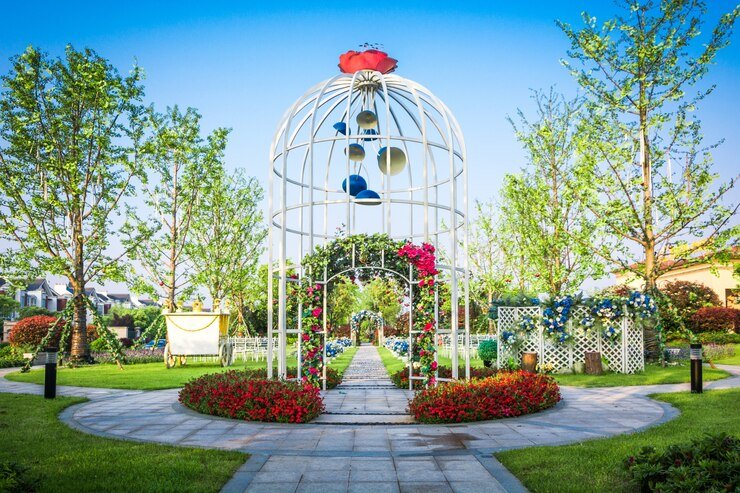
Switzerland's National Parks
Switzerland, a nation synonymous with dazzling snow capped scenes and untainted characteristic excellence, is domestic to a few of the most breathtaking national parks in Europe. Whereas most travelers know Switzerland for its charming towns and exciting ski inclines, the country’s national parks offer an unparalleled opportunity to submerge yourself in flawless wild, one of a kind biological systems, and open air adventures.
This comprehensive direct will investigate everything you require to know around Switzerland’s national parks. From the grand Swiss National Stop to the rising Territorial Nature Parks, we’ll investigate their key highlights, exercises, natural life, and the best times to visit. Whether you're a nature devotee, an eager explorer, or basically looking for peaceful get away, this direct will prepare you with all the information to arrange a vital adventure.
An Overview of Switzerland’s National Parks
Switzerland's approach to preservation is extraordinary, with 19 authoritatively recognized parks spread over the nation. These parks are categorized into two types:
-
Swiss National Stop: Switzerland’s as it were official national park.
-
Regional Nature Parks: Littler zones committed to protecting social legacy and biodiversity whereas advancing feasible tourism.
While Switzerland’s national parks framework might not be as broad as other nations, it’s recognized by its commitment to environmental conservation and breathtaking scenes.
1. Swiss National Park
Switzerland’s Crown Jewel
Established in 1914, the Swiss National Park is Switzerland’s first and as it were official national stop. Found in the Engadine Valley of the canton of Graubünden, it is a UNESCO Biosphere Save and ranges an amazing 172 square kilometers of untouched wilderness.trgg
Key Highlights
-
Strict Preservation Rules: Guests must adhere to assigned trails, guaranteeing negligible unsettling influence to nature.
-
Wildlife Spotting: The stop is domestic to ibexes, chamois, marmots, ruddy deer, and over 100 species of fowls, counting brilliant eagles.
-
Diverse Ecosystems: Encounter everything from rich glades to rough mountains and thick forests.
Activities
-
Hiking: Over 80 kilometers of checked trails, counting the family-friendly Trupchun Valley climb, known for its natural life sightings.
-
Wildlife Perception: Summer and early harvest time are perfect for spotting creatures in their normal habitats.
-
Guided Visits: Learn around the park’s topography, vegetation, and fauna from experts.
Best Time to Visit
-
Summer (June–October): Perfect for climbing and enjoying lavish greenery.
-
Winter (December–March): Whereas the stop closes for most exercises, cross-country skiing in adjacent ranges offers a diverse perspective.
Personal Experience: Going to the Swiss National Stop felt like venturing back in time to an untouched snow capped heaven. On the Trupchun Valley path, I was fortunate to spot a group of ruddy deer touching against a background of snow-capped crests.
2. Parc Ela
A Regional Gem
Located in the heart of Graubünden, Parc Ela is the biggest territorial nature stop in Switzerland, covering over 600 square kilometers. The stop is a concordant mix of nature and culture, with pleasant towns, notable castles, and different landscapes.
Key Highlights
-
Cultural Heritage: Investigate conventional towns like Bergün, known for its noteworthy buildings and neighborhood craftsmanship.
-
Geological Wonders: Find the Albula and Julier passes, formed by frigid activity.
-
Rich Biodiversity: Domestic to lynxes, wolves, and uncommon snow capped plants.
Activities
-
Hiking & Biking: Trails like the Ela Path grandstand the park’s common beauty.
-
Cultural Visits: Visit legacy locales, counting antiquated Roman ruins.
-
Wildlife Safaris: Connect guided visits to spot tricky predators like the lynx.
Best Time to Visit
Summer (May–September): Culminate for open air exploration.
Winter: Awesome for snowshoeing and finding the region’s blanketed charm.
3. Parc Jura Vaudois
Rolling Hills and Forests
Nestled in the Jura Mountains, Parc Jura Vaudois is a heaven for those who cherish delicate scenes and tranquil withdraws. This stop, found in western Switzerland, offers a striking differentiate to the tough Alps.
Key Highlights
-
Panoramic Views: From Mont Tendre, the most noteworthy top in the Jura Mountains, appreciate sees of Lake Geneva and the far off Alps.
-
Local Products: Test cheeses, nectar, and wines from the region.
-
Historical Sites: Investigate Roman streets and antiquated watchtowers.
Activities
-
Hiking & Cycling: Trails wind through timberlands, pastures, and villages.
-
Gastronomy Tours: Combine climbs with stops at neighborhood dairies and vineyards.
-
Stargazing: The stop is known for its clear night skies.
Best Time to Visit
-
Spring and Autumn: These seasons bring dynamic colors and gentle weather.
4. Binntal Nature Park
A Geologist’s Dream
The Binntal Nature Stop, found in the canton of Valais, is eminent for its mineral-rich mountains and charming towns. This moderately lesser-known stop is a sanctuary for geologists and those looking for solitude.
Key Highlights
-
Minerals In abundance: The Binntal Valley is popular for its uncommon minerals, with over 200 assortments found here.
-
Scenic Villages: Meander through Binn, a curious town that feels solidified in time.
-
Traditional Agriculture: See how local people protect old cultivating practices.
Activities
-
Hiking: Trails like the Twingi Pig out offer breathtaking views.
-
Mineral Hunts: Connect guided visits to reveal Binntal’s topographical treasures.
-
Cultural Events: Take part in conventional celebrations celebrating nearby heritage.
Best Time to Visit
Summer: Best for climbing and investigating mineral sites.
Personal Tip: Visit the Mineral Exhibition hall in Binn for a intriguing presentation to the valley’s geography some time recently heading out.
5. Pfyn-Finges Nature Park
A Different Ecosystem
Located in Valais, Pfyn-Finges Nature Stop is a biodiversity hotspot, mixing Mediterranean and snow capped climates. This interesting combination makes an environment where uncommon species thrive.
Key Highlights
-
Rhone River Plains: Investigate endless wetlands and timberlands along the Rhone River.
-
Wine Culture: The encompassing vineyards deliver a few of Switzerland’s best wines.
-
Birdwatching: A heaven for ornithologists, with over 200 feathered creature species recorded.
Activities
-
Hiking: Trails like the Illgraben Geographical Path offer sensational views.
-
Wine Tours: Test neighborhood vintages in the pleasant towns of Sierre and Salgesch.
-
Wildlife Spotting: See for beavers, deer, and uncommon birds.
Best Time to Visit
Spring and Autumn: Gentle temperatures make it idealize for climbing and wine tasting.
Conservation Endeavors in Switzerland’s National Parks
Switzerland’s national parks are more than fair lovely landscapes—they’re confirmations to the country’s commitment to protecting its normal legacy. Strict preservation rules, economical tourism activities, and community association guarantee that these parks stay perfect for eras to come.
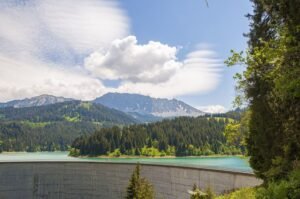
Tips for Visiting Switzerland’s National Parks
-
Follow Park Rules: Most parks require guests to remain on stamped trails to secure sensitive ecosystems.
-
Plan: Check regular closures, as a few trails and exercises may not be accessible year-round.
-
Pack Smart: Continuously carry water, snacks, and suitable adapt for changing climate conditions.
-
Embrace Neighborhood Culture: Bolster neighborhood businesses and learn around territorial traditions.
-
Leave No Follow: Minimize your affect by taking all waste with you and regarding wildlife.
Future Patterns in Swiss National Parks
As worldwide mindfulness of natural issues develops, Switzerland is taking steps to grow its preservation endeavors. Here are a few energizing developments:
-
Eco-Tourism Initiatives: Parks are joining feasible tourism hones, counting green transportation and eco-lodges.
-
Digital Experiences: Virtual visits and increased reality guides are being created to improve guest engagement.
-
Biodiversity Restoration: Endeavors to reintroduce local species like lynxes and wolves are ongoing.
Must-Visit for Nature Enthusiasts
Switzerland’s national parks are more than fair excellent scenes! They are living cases of fruitful preservation and maintainable tourism. Whether you’re investigating the rough wild of the Swiss National Stop or submerging yourself in the social charm of territorial nature parks, you’ll discover an extraordinary encounter holding up for you.
So pack your climbing boots, get your camera, and get ready to find the wild side of Switzerland. It’s time to investigate, appreciate, and protect these common treasures for eras to come.
FAQs About Switzerland’s National Parks
1. Are there entrance expenses for Swiss national parks?
The Swiss National Stop does not charge an entrance expense, but a few territorial parks may require expenses for guided visits or particular activities.
2. Can I camp in Swiss national parks?
Camping is entirely precluded in the Swiss National Stop. Be that as it may, a few territorial parks may have assigned camping areas.
3. How do I get to these parks?
Switzerland's great open transportation framework interfaces most parks to major cities. Trains and buses regularly drop you right at the stop entrances.
4. Are pets allowed?
Pets are not permitted in the Swiss National Stop to secure natural life. Rules change for territorial parks, so it’s best to check beforehand.
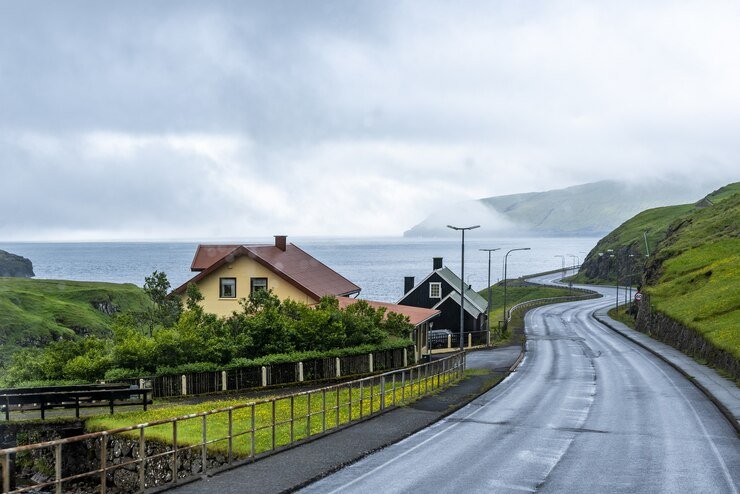
How to Plan a Green Road Trip Across Switzerland
Switzerland Road Trip is known for its breathtaking normal excellence, from the towering crests of the Alps to the quiet shores of Lake Geneva. But past its picturesque vistas, Switzerland is moreover a world pioneer in maintainability, making it an perfect goal for eco-conscious travelers. A green street trip over Switzerland permits you to involvement the country’s shocking scenes and wealthy culture whereas minimizing your natural footprint.
On my eco-friendly travel through Switzerland, I found that a street trip can be both energizing and economical. From driving an electric car through the Alps to remaining in eco-conscious lodging, it was clear that Switzerland’s commitment to supportability expanded distant past its cities. In this direct, I’ll share the best tips and methodologies for arranging your green street trip over Switzerland.
Choosing an Eco-Friendly Vehicle
One of the first steps in arranging a economical street trip is selecting the right vehicle. Electric cars and cross breed vehicles are the best alternatives for minimizing carbon emanations amid your travel. Switzerland’s broad organize of electric vehicle (EV) charging stations makes it simple to travel long separations in an EV without stressing around running out of power.
Renting an Electric Car in Switzerland
Several car rental companies offer electric vehicles for lease, counting Versatility, which has a huge armada of EVs accessible over the nation. You can too lease Tesla vehicles from companies like Hertz or Sixt for a extravagant and eco-friendly street trip experience.
Data: Switzerland has over 7,000 EV charging stations, guaranteeing that you’re never distant from a charging point. Apps like Plugsurfing and Chargemap make it simple to find adjacent charging stations and arrange your course accordingly.
During my green street trip, I leased a Tesla Demonstrate 3 from Sixt. The car’s run was more than adequate for traveling between Swiss cities, and I found the EV charging organize to be profoundly solid. Charging stations were helpfully found along major interstates and in most towns, making it simple to remain fueled up.

Arranging Your Course: Picturesque and Feasible Destinations
Switzerland Road Trip well-maintained streets and beautiful courses make it a culminate goal for a street trip. To make your travel as green as conceivable, arrange stops at eco-friendly goals that emphasize maintainability and nature conservation.
a) Zurich to Lucerne: Urban to Nature Escape
Start your street trip in Zurich, Switzerland’s biggest city and a worldwide pioneer in maintainability. Zurich’s commitment to green living can be seen in its broad open transportation arrange, energy-efficient buildings, and inexhaustible green spaces.
From Zurich, drive to Lucerne, a pleasant town known for its excellent lake and encompassing mountains. Lucerne offers bounty of eco-friendly exercises, counting hiking in the adjacent Mount Pilatus and Rigi districts. Lucerne’s ancient town is moreover domestic to a few feasible inns and eateries that emphasize nearby and natural produce.
b) The Furka Pass: Sustainable Alpine Exploration
For a more courageous portion of your street trip, take the course through the Furka Pass, one of Switzerland’s most shocking mountain streets. The Furka Pass offers all encompassing sees of the Swiss Alps and passes through flawless common scenes. Be beyond any doubt to halt at the Rhone Ice sheet, where you can witness one of Switzerland’s most vital common treasures whereas learning almost the impacts of climate alter on the region.
Real-Life Example: Amid my trip through the Furka Pass, I remained at a solar-powered mountain hold up that was totally off the lattice. The hold up advertised eco-friendly lodging without relinquishing consolation, given new, locally sourced suppers, and utilized sun oriented boards for warming and electricity.
Stay in Eco-Friendly Accommodations
Choosing sustainable housing is a key portion of arranging a green street trip. Switzerland Road Trip offers a wide extend of eco-friendly hotels, from city-based hotels that prioritize vitality effectiveness to mountain lodges that run on renewable energy.
a) Eco-Hotel L’Aubier (Neuchâtel)
Located in the Neuchâtel region, L’Aubier is a certified eco-hotel that works an on-site biodynamic cultivate. The inn employments natural fixings from its cultivate to plan dinners, offers normal toiletries, and has actualized broad squander diminishment practices.
Why It’s Sustainable: L’Aubier employments sun based boards for warming, advances squander composting, and sources all food from nearby natural farms.
b) Whitepod Eco-Luxury Hotel (Valais)
For a more immersive involvement, remain at Whitepod Eco-Luxury Lodging in the Valais locale. The hotel’s geodesic units are fueled by renewable vitality and mix consistently into the common environment. Visitors are empowered to climb, ski, or take part in other eco-friendly activities.
I remained at Whitepod during my street trip, and the involvement was not at all like any other. The pod’s moderate plan permitted me to interface with nature, and knowing that the whole inn ran on renewable vitality made it a guilt-free extravagance remain.

Reducing Your Carbon Footprint on the Road
While electric cars and eco-friendly accommodations diminish your natural affect, there are extra ways to make your street trip indeed greener.
a) Eco-driving techniques
To maximize your car’s vitality proficiency, hone eco-driving procedures that decrease fuel utilization or expand your EV’s run. These include:
-
Maintaining a unfaltering speed: Avoid fast acceleration and difficult braking to moderate energy.
-
Using regenerative braking: Numerous electric cars offer regenerative braking, which makes a difference revive the battery when abating down.
-
Pre-planning stops: Charge your EV amid suppers or breaks to guarantee you’re continuously on the go.
Statistics: Considers appear that eco-driving can diminish fuel utilization by 10-15%, making it a critical calculate in diminishing outflows amid a street trip.
b) Pack Light
The more weight your car carries, the more vitality it devours. Pack as it were what you require, and attempt to utilize reusable holders and economical travel adapt to diminish waste.
Green Activities to Include on Your Road Trip
Switzerland offers incalculable eco-friendly exercises that permit you to involvement the country’s common magnificence whereas advancing sustainability.
a) Hiking in Swiss National Parks
Switzerland Road Trip national parks, such as the Swiss National Park in Graubünden, are perfect goals for eco-conscious travelers. The stop is committed to preservation and offers various climbing trails that permit guests to investigate the flawless Elevated environment without taking off a trace.
b) Biking Through Scenic Routes
Many Switzerland Road Trip cities and towns offer bicycle rentals and broad cycling courses. Consider joining biking into your street trip, particularly in ranges like Bern, Geneva, and Lausanne, which have contributed intensely in maintainable transport and cycling infrastructure.
Charging Your EV: A Comprehensive Guide
When arranging a green street trip in an electric vehicle, understanding where and how to charge your car is basic. Switzerland’s EV framework makes this simpler, but arranging ahead will guarantee you have a smooth experience.
a) Locate Charging Stations in Advance
Use apps like Plugsurfing, Chargemap, and Tesla’s possess organize to discover EV charging stations along your course. Switzerland has charging stations at most interstate rest stops, inns, and shopping centers, guaranteeing you’re never as well distant from a recharge.
b) Fast-charging vs. Regular Charging
For longer extends of driving, utilize fast-charging stations, which can charge your EV in 30 minutes to an hour. Numerous of these stations are helpfully found close eateries or cafes, permitting you to take a break whereas your car charges.
Real-World Example: On my trip from Zurich to Lucerne, I utilized a fast-charging station at a interstate rest halt. By the time I wrapped up lunch, my car was completely charged, and I was prepared to proceed my travel without delay.

Enjoy Local, Sustainable Cuisine
Another vital perspective of feasible travel is choosing neighborhood, organic food. Switzerland has a developing farm-to-table development, and numerous eateries prioritize locally sourced ingredients.
a) Farm-to-Table Restaurants
Switzerland is domestic to a few eateries that emphasize maintainability and natural fixings. Consider eating at places like Hiltl in Zurich, the most seasoned vegan restaurant in the world, or Eatery Le Chalet in Lucerne, which centers on locally sourced, regular dishes.
b) Markets and Local Food Producers
For a more hands-on involvement, visit nearby farmers’ markets. Numerous Swiss towns have week by week markets where you can buy natural deliver and artisanal items specifically from agriculturists. Not as it were does this bolster the neighborhood economy, but it moreover decreases the carbon impression related with nourishment transport.
Embark on Your Green Swiss Adventure
Planning a green street trip over Switzerland is not as it were conceivable, but it’s moreover one of the best ways to involvement the country’s breathtaking scenes and social lavishness whereas being careful of your natural affect. By choosing an electric car, remaining in eco-friendly lodging, and locks in in feasible exercises, you can decrease your carbon impression and back Switzerland’s commitment to natural stewardship. Have you taken a green street trip through Switzerland or another nation? Share your encounters in the comments underneath! For more tips on feasible travel, check out our direct on eco-friendly goals in Europe.
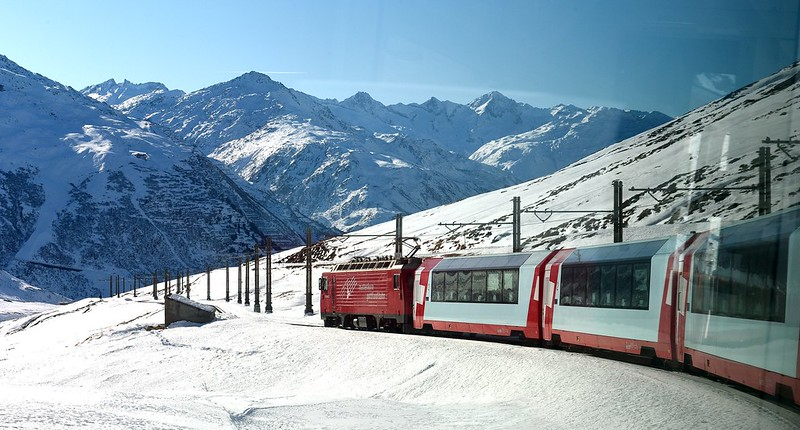
How to Make the Most of Swiss Rail Pass
Switzerland is celebrated for its shocking snow capped view and its fantastically productive, eco-friendly rail organize. As a green traveler, one of the best ways to investigate this lovely nation whereas diminishing your carbon impression is by utilizing a Swiss Rail Pass. With Switzerland’s commitment to supportability and the well-connected rail framework, traveling by train is both ecologically dependable and profoundly convenient.
I’ve had the joy of investigating Switzerland numerous times utilizing Swiss Rail Passes, and I can certainly say that this is one of the most picturesque and eco-friendly ways to encounter the nation. This direct will share how to make the most of Swiss Rail Passes, with bounty of tips and individual encounters to offer assistance you arrange your travel.
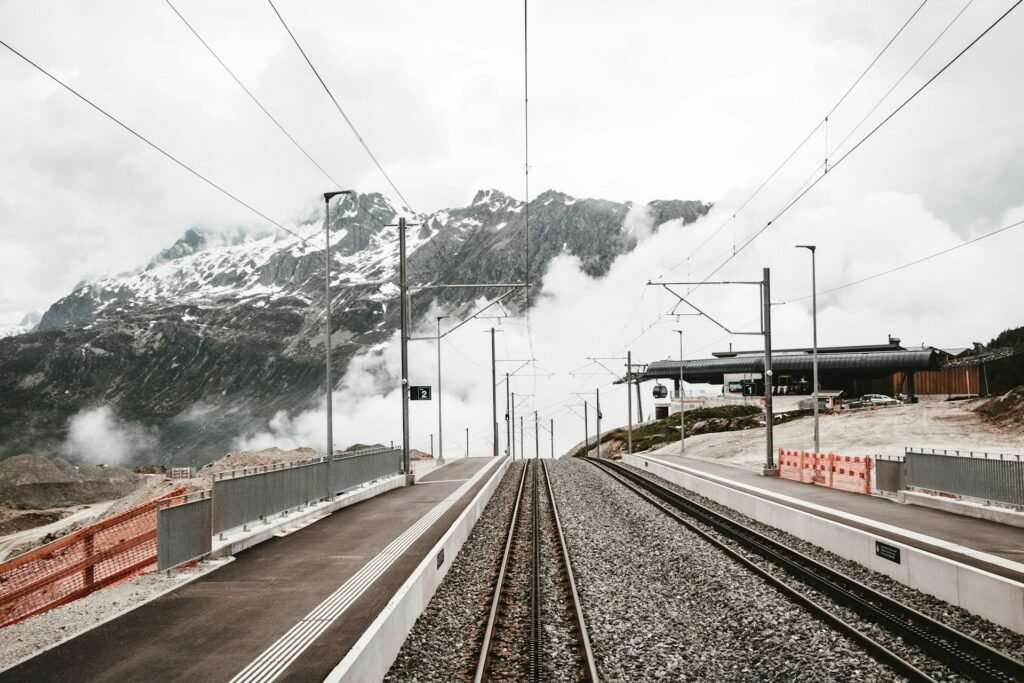
Choose the Right Swiss Rail Pass for Your Trip
The first step in maximizing your Swiss rail involvement is choosing the right pass. Switzerland offers a few rail passes, each outlined to suit distinctive travel needs. Picking the right one can spare you time, cash, and natural impact.
a) Swiss Travel Pass
The Swiss Travel Pass is the most prevalent choice for visitors and permits boundless travel on Switzerland’s broad open transport arrange, counting trains, buses, and pontoons, for a set number of successive days (3, 4, 8, or 15 days). It moreover incorporates free section to more than 500 exhibition halls and rebates on mountain excursions.
I selected for the Swiss Travel Pass during one of my trips when I arranged to visit numerous districts over Switzerland. Having the adaptability to jump on and off trains without stressing around person tickets was unimaginably helpful, particularly when investigating less available zones like Zermatt or St. Moritz. Also, the pass spared me a critical sum of cash on prepare admissions and exhibition hall visits.
b) Swiss Half Fare Card
The Swiss Half Admission Card permits travelers to buy tickets at half cost for about all open transport, counting trains, buses, pontoons, and indeed a few cable cars. It’s a awesome alternative for those remaining for an expanded period or who as it were arrange to utilize open transport on certain days.
During a winter trip where I went through most of my time in particular locales like the Jungfrau and Bernese Oberland, the Swiss Half Passage Card worked impeccably. I didn’t require successive days of travel, and the half-price tickets made it an conservative and green way to travel.
c) Regional Passes
If you arrange to center on a particular locale, Switzerland offers a few territorial rail passes, such as the Tell-Pass (Central Switzerland) or Graubünden Pass. These passes give boundless travel inside assigned regions and can incorporate other advantages like rebates on neighborhood attractions and mountain railways.
Consider a territorial pass if your schedule is centered around a particular zone. I once utilized the Jungfrau Travel Pass to investigate the wonderful Lauterbrunnen and Grindelwald locales, and it gave me the opportunity to take picturesque mountain railroads and appreciate various climbs.
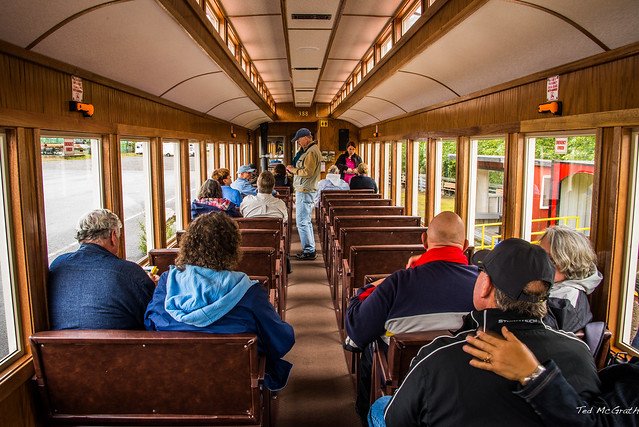
Plan Scenic Train Journeys to Maximize Your Pass
Switzerland’s rail arrangement isn’t fair productive it’s breathtaking. To really make the most of your Swiss Rail Pass, prioritize a few of the country’s most beautiful courses, which are frequently included at no extra take a toll or intensely reduced with your pass.
a) The Glacier Express
The Glacier Express, moreover known as the “slowest express prepare in the world,” interfaces Zermatt and St. Moritz and offers one of the most beautiful rides in Switzerland. The course takes you over 291 bridges, through 91 burrows, and over the marvelous Oberalp Pass at an height of 2,033 meters.
The Ice sheet Express was a highlight of one of my trips, as I observed the snow-covered scenes unfurl through the all encompassing windows. In spite of its title, this express prepare is all almost the travel, not speed, making it culminate for moderate travel devotees who need to splash in Switzerland’s magnificence. I saved my situate in progress (which is required), and my Swiss Travel Pass secured most of the admission, with as it were a reservation expense required.
b) Bernina Express
The Bernina Express interfaces Chur in Switzerland to Tirano in Italy, passing through jaw-dropping view that incorporates icy masses, elevated knolls, and the popular Landwasser Viaduct. It’s one of Switzerland’s UNESCO World Legacy courses, and the magnificence of the scene is difficult to depict in words.
This was one of the most important prepare ventures I’ve ever taken. Crossing into Italy from Switzerland through the Alps felt like traveling through a portray, with snow-capped crests giving way to palm trees as we plummeted into Tirano. The Swiss Travel Pass covers the course, but like the Icy mass Express, a situate reservation is necessary.
c) GoldenPass Line
The GoldenPass Line joins Lucerne to Montreux, passing through shifted scenes of lakes, vineyards, and mountain passes. The travel combines three diverse prepare segments, and each offers its charm, from the lakes of Interlaken to the vineyards encompassing Montreux.
Don’t miss the chance to take the GoldenPass all encompassing prepare, particularly if you’re utilizing your Swiss Travel Pass. I found this course to be culminate for a slower, more loose day of touring, with bounty of openings to bounce off and investigate towns along the way.
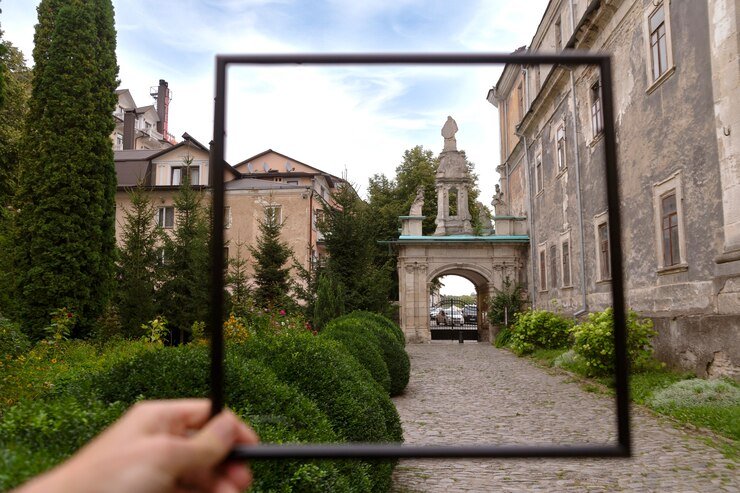
Take Advantage of Free Museum Entries and Discounts
Many travelers are unconscious that the Swiss Travel Pass offers more than fair transportation. It moreover awards free passage to over 500 exhibition halls over the nation and rebates on numerous well known attractions.
During my remain in Zurich, I made utilize of the Swiss Travel Pass to visit the Swiss National Historical center without any additional fetched. Additionally, in Lucerne, I investigated the Rosengart Collection, domestic to works by Picasso and other craftsmen, all included with the pass. Knowing that I had get to to these places without paying for person tickets gave me the opportunity to investigate at my possess pace.
Before beginning your travel, make a list of exhibition halls or social locales that intrigued you. The Swiss Travel Pass covers a astounding number of lesser-known historical centers that offer interesting bits of knowledge into Swiss history, craftsmanship, and culture.
Maximize Savings with Cable Cars and Mountain Railways
Switzerland’s mountains are as notorious as its trains, and numerous rail passes offer rebates or free rides on a few of the country’s most celebrated cable cars and mountain railways.
a) Gornergrat Railway
The Gornergrat Railroad is one of Switzerland’s most picturesque cogwheel trains, taking you from Zermatt to the Gornergrat summit, with breathtaking sees of the Matterhorn. The Swiss Travel Pass offers rebates on the passage, making this famous mountain journey more accessible.
I couldn’t stand up to taking the Gornergrat Railroad to involvement one of the best all encompassing sees of the Matterhorn. Indeed with the markdown, it felt like the experience of a lifetime as the prepare gradually wound its way up the mountain.
b) Rigi Railway
Known as the “Queen of the Mountains, Mount Rigi can be gotten to by means of Europe’s to begin with mountain railroad. The best portion? It’s totally free with the Swiss Travel Pass. The ride offers staggering sees of Lake Lucerne and the encompassing mountains, and there are bounty of climbing trails at the top.
Pack a excursion and take the Rigi Railroad early in the morning to avoid the swarms. I went through a tranquil evening strolling along the edge, splashing in the clearing sees of Switzerland’s lakes and crests, all whereas knowing my travel had cleared out a negligible natural impact.
Take Advantage of Free Museum Entries in Switzerland
One of the best parts approximately utilizing Swiss Rail Passes is that trains in Switzerland are fueled essentially by renewable vitality, making rail travel one of the most ecologically inviting ways to investigate the nation. By choosing trains over cars or planes, you’re altogether lessening your carbon impression whereas still getting a charge out of the opportunity to travel over Switzerland.
a) Eco-Friendly Travel: Swiss trains run on hydropower, meaning that nearly all prepare ventures deliver zero carbon outflows. Knowing that your trip has a negligible affect on the environment makes the picturesque ventures indeed more enjoyable.
b) Neighborhood Associations: By utilizing the Swiss Travel Pass, I found it simple to interface with neighborhood communities and investigate littler towns that might be harder to reach by car. From discussions with local people on trains to investigating off-the-beaten-path goals, the pass opened up modern encounters that a car rental wouldn’t have given.
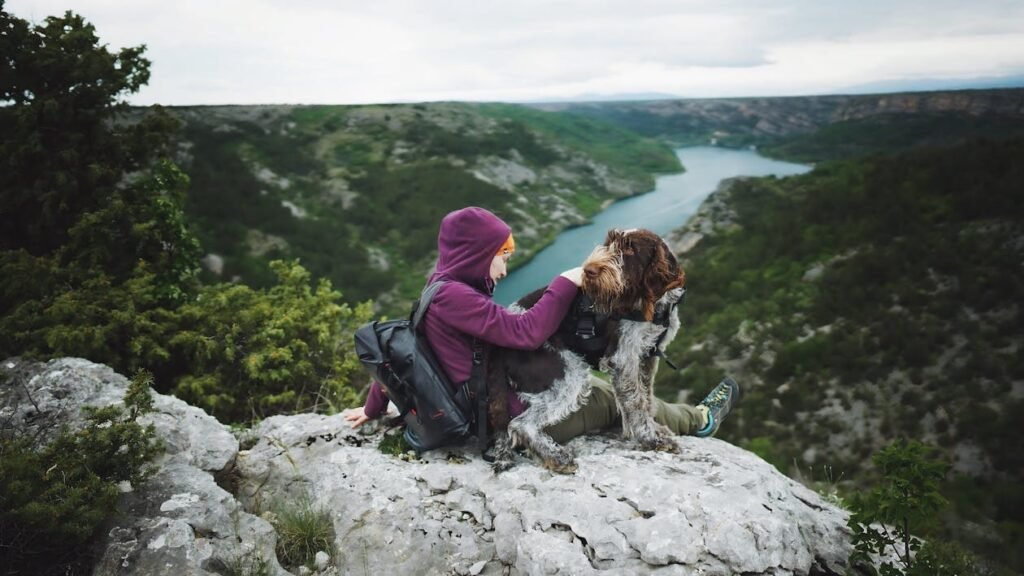
A Green and Scenic Adventure
Traveling with a Swiss Rail Pass is not fair a helpful and cost-effective way to investigate Switzerland it’s moreover a feasible way to encounter the country’s shocking scenes and wealthy culture. From taking picturesque trains like the Icy mass Express to going to eco-friendly towns and exhibition halls, the Swiss Travel Pass offers green travelers a way to appreciate the best of Switzerland whereas diminishing their natural impact.
Whether you’re going to for a few days or a few weeks, Swiss Rail Passes offer adaptability, investment funds, and extraordinary encounters. By choosing this eco-friendly mode of transport, you’re making a difference to secure Switzerland’s breathtaking characteristic excellence for future eras whereas enjoying the trip of a lifetime.
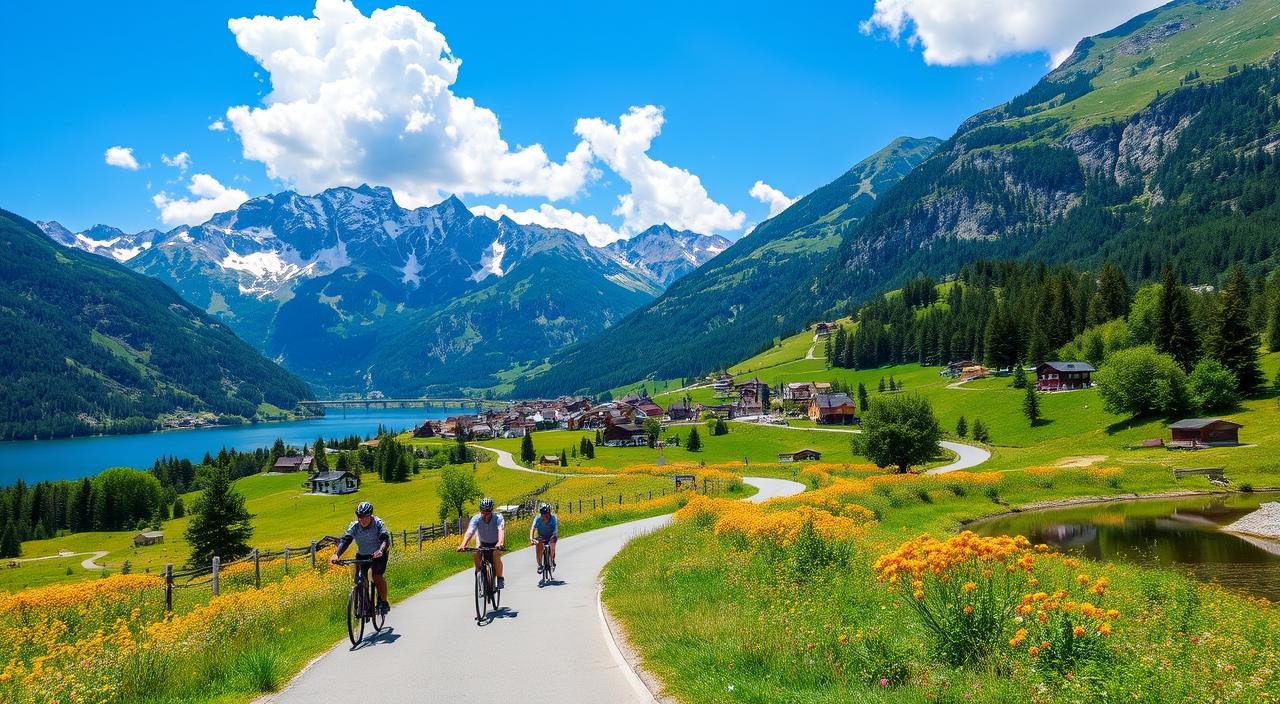
Best Electric Bike Trails in Switzerland
Best Electric Bike Trails in Switzerland Standing at the edge of a shocking elevated lake, the morning sun reflecting off its surface, I felt a sense of flexibility. Investigating the world on two wheels is mysterious, indeed more so with an electric bicycle. In Switzerland, where mountains meet flawless scenes, the best electric bicycle trails await.
They welcome you to see breathtaking magnificence whereas getting a charge out of eco-friendly experiences. Switzerland has trails for everybody, whether you're an experienced cyclist or a casual rider. Let's look at a few of my favorite trails together, sharing experiences that make cycling uncommon.
Key Takeaways
-
Switzerland brags a few of the best electric bicycle trails for all levels of cyclists.
-
Experience breathtaking sees whereas getting a charge out of eco-friendly cycling adventures.
-
Diverse electric bicycle courses upgrade the bliss of investigating the Swiss landscape.
-
Scenic bicycle ways give vital encounters for casual and experienced riders alike.
-
Preparation is key to guaranteeing an pleasant travel on the trails.

Introduction to Electric Biking in Switzerland
Electric biking has changed how I see Switzerland's wonderful scenes. This nation has a solid Swiss biking culture. It cherishes cycling in lovely places. Electric bicycles let individuals appreciate nature and offer assistance the environment.
Finding places to lease bicycles and charge them is simple presently. Riding through Switzerland's beautiful ways is exciting. It's too great for the planet. My electric bicycle makes extreme ways simple, so I can ride long separations without getting tired.
Exploring Switzerland on an electric bicycle interfaces me to nature. It's extraordinary for both fun-seekers and families. It appears off Switzerland's excellence and empowers a sound lifestyle.
Best Electric Bike Trails in Switzerland
Switzerland has a few of the best electric bicycle trails. They offer an energizing ride for all levels of cyclists. I found courses with lovely sees, interesting towns, and intense terrains.
The Lake Zurich Circular Trip is a standout path, covering almost 42 kilometers. It has dazzling sees of the Alps and charming towns. It's idealize for a loose ride with breathtaking scenery.
The Wine Course close Lavaux is for those who adore a challenge. It's almost 19 kilometers long, passing through vineyards. It's a awesome way to see lovely scenes and learn almost neighborhood wines.
The Aare River Course is extraordinary for families. It's 55 kilometers long and takes after the stream. It has outing spots, play areas, and a neighborly vibe. It's perfect for a fun day out with kids.
In outline, Switzerland's electric bicycle trails have something for everybody. They offer diverse levels of trouble and interesting attractions. Whether you need a calm ride or an energizing enterprise, Switzerland's cycling ways are holding up for you.
Top Cycling Paths for Scenic Views
Switzerland has a few of the most staggering picturesque bicycle ways. I cherish two places in specific: the Lake Geneva range and the Alps. Both offer lovely sees and vital rides, for all sorts of bikers.
Exploring the Lake Geneva Region
Cycling around Lake Geneva is a treat. It combines calm water sees with beautiful towns. The way goes through vineyards and towns, idealize for a loose day.
There are numerous spots to halt and attempt neighbourhood nourishment. Cycling by the lake, I frequently see mountains reflected in the water. It's really magical.
The Majestic Alps Route
The Alps offer a special cycling involvement. It's challenging but offers astonishing sees. Riding through the mountains, I feel associated to Switzerland's beauty.
Finishing the ride, I feel glad. Seeing the sun set behind the mountains is exceptional. The sky turns into a wonderful portray.

Eco-Friendly Cycling Trails for Nature Lovers
Switzerland's differing scenes offer numerous eco-friendly cycling trails. These trails are culminate for those who cherish the environment and appreciate biking. The Swiss National Stop is a best spot, with its staggering sees and wealthy wildlife.
This region is a blend of enterprise and care for nature. Cyclists can ride on ways that secure the biological system. It's a extraordinary way to appreciate nature whereas biking.
Biking Through the Swiss National Park
The Swiss National Park is incredible for eco-conscious cyclists. It has rules to secure its fragile environment. Cyclists must take after these rules to avoid hurting natural life and plants.
Here are some important guidelines:
-
Stay on assigned cycling courses to protect normal habitats.
-
Keep clamor levels to a least to dodge aggravating wildlife.
-
Keep a secure remove from creatures and do not nourish them.
Many courses in the stop offer astounding sees of the Alps, valleys, and lakes. This makes it simple to appreciate eco-friendly cycling trails and nature's excellence. Here are a few prescribed ways:
| Trail Name | Distance (km) | Difficulty Level |
|---|---|---|
| Val Clava | 12 | Easy |
| Upper Enclev Valley | 18 | Moderate |
| Piz Nurschalas | 25 | Challenging |
Exploring these courses is a awesome way to appreciate nature biking. It too bolsters biking that's great for the environment. Eco-friendly cycling trails offer assistance us learn almost ensuring nature whereas giving us astonishing experiences.
Electric Bicycle Routes for All Skill Levels
Electric bike courses in Switzerland are idealize for cyclists of all expertise levels. They let everybody appreciate the magnificence of the scenes. These trails are awesome for both apprentices and experienced riders.
Beginner trails are simple, with delicate inclines and straightforward challenges. They're extraordinary for learning how to ride an e-bike. These ways too offer wonderful sees and places to halt, making them idealize for a fun day out.
If you're looking for a challenge, there are progressed cycling ways as well. These ways have soak climbs and dubious areas. They're perfect for those who need to test their skills.
When choosing a trail, consider a few things:
-
Know your wellness level and involvement with electric bikes.
-
Check the trail's trouble online or through neighborhood biking groups.
-
Look for courses with clear signs and amenities.
By considering around these focuses, I can choose the right path for me. This makes each ride in Switzerland's electric bicycle courses pleasant.

E-Bike Trail Guide: Preparation and Tips
Getting ready is key for a awesome e-biking trip in Switzerland. Knowing what biking adapt to bring makes a enormous distinction. I continuously check my equip and learn approximately e-bike rules in this excellent country.
Essential Adapt for a Comfortable Ride
Before I start, I pack my must-have biking equip. This incorporates a secure protective cap and dress that keep me comfy. Here's what I continuously carry:
-
Helmet - A must-have for safety.
-
Hydration Pack - Remaining hydrated is key amid long rides.
-
Appropriate Clothing - Moisture-wicking materials keep me comfortable.
-
Repair Pack - Fundamental devices for any roadside emergencies.
-
GPS Gadget - Makes a difference explore the e-bike path direct effectively.
Understanding E-Bike Controls in Switzerland
Knowing the e-bike rules in Switzerland is exceptionally vital. These rules keep everybody secure. Here are a few key rules I take after:
| Regulation | Description |
|---|---|
| Speed Limits | Most e-bikes are limited to a maximum speed of 25 km/h on public paths. |
| Riding Areas | E-bikes are often restricted on certain hiking trails and pedestrian zones. |
| Traffic Laws | All cyclists must follow standard traffic laws, including signaling turns. |
Highlighting Sustainable Cycle Routes
I love cycling and know we must protect our planet. Switzerland has many green cycle paths. These paths let us see beautiful views while being kind to the earth. Riding these routes makes us enjoy nature more and helps us cycle responsibly.
I've found some amazing routes that connect us with nature and support the environment. Here are some of the best sustainable cycle routes I've discovered:
| Route Name | Location | Distance (km) | Highlights |
|---|---|---|---|
| Lake Zurich Loop | Zürich | 40 | Scenic views of the lake and surrounding mountains |
| Aare Cycle Path | Bern | 100 | Riverbanks, nature reserves, and historical landmarks |
| National Park Cycle Trail | Graubünden | 60 | Diverse wildlife and untouched nature |
| Rhine Valley Trail | Grisons | 80 | Cultural sites and lush vineyards |
Utilizing these green cycle ways lets us appreciate nature and diminish our carbon impression. As I cycled, I felt closer to nature. It appeared me how vital it is to cycle in a way that's great for the planet. By choosing eco-friendly courses, we can adore cycling and ensure the wonderful places that motivate us.
How to Find Electric Bike Trail Maps
Finding electric bicycle trails in Switzerland is simple with the right maps. It's critical to keep these maps up to date for a smooth ride. I utilize a few trusted websites and apps to arrange my routes.
I see for maps that appear territory, trouble, and remove. Apps like Komoot and Trailforks are awesome for this. They offer experiences from other riders, making a difference me arrange better.
Local biking bunches are moreover a huge offer assistance. They share tips and outline proposals. Online gatherings and social media bunches are great places to discover special courses and counsel.
| Resource Type | Example | Features |
|---|---|---|
| Website | TrailLink | Detailed trail maps with user reviews |
| Mobile App | Komoot | Offline access, personalized route planning |
| Community Forum | Mountain Bike Review | User-generated trail reports and advice |
| Social Media Group | Facebook Biking Groups | Real-time tips and local knowledge sharing |
Personal Experiences on Swiss E-Bike Trails
Thinking back on my biking undertakings in Best Electric Bike Trails in Switzerland, I frequently keep in mind the dazzling sees. One of my favorite rides was in the serene valleys of Interlaken. Riding by Lake Brienz, the Alps lingered in the foundation, making each ride feel special.
Meeting natural life made my rides indeed more vital. In the Emmental locale, I saw a family of ibex. These minutes appeared me biking is more than fair work out; it's a chance to interface with nature.
The sees were breathtaking, but I moreover confronted extreme climbs. These instructed me tolerance and tirelessness. Coming to the beat, with sees that took my breath absent, made each challenge worth it. These encounters have developed my adore for biking in Switzerland, rousing me to share the delight with others.
FAQ
What are the best electric bike trails in Switzerland?
Switzerland has astounding electric bicycle trails. The Lake Geneva locale, the Magnificent Alps Course, and Swiss National Stop trails are beat picks. They offer shocking sees and different troubles for all cyclists.
How can I discover electric bike trail maps?
You can discover electric bicycle path maps online or through portable apps. Nearby biking communities moreover offer awesome assets. They offer assistance with upgraded path maps that appear territory and trouble levels.
Are there particular electric bike courses for beginners?
Yes, Best Electric Bike Trails in Switzerland has numerous beginner-friendly electric bicycle courses. These ways are simple, with smooth surfaces and delicate inclines. They're idealize for unused riders to construct certainty whereas getting a charge out of the views.
What fundamental equip ought to I take for an e-biking trip?
For an e-biking trip, pack a protective cap, hydration pack, comfy dress, and a bicycle repair unit. These things guarantee a secure and fun ride through Switzerland's wonderful landscapes.
Are electric bikes environmentally friendly?
Yes, electric bicycles are eco-friendly. They create less emanations than cars and advance maintainable travel. Riding an e-bike lets me appreciate nature whereas decreasing my carbon footprint.
What are the rules and directions for e-biking in Switzerland?
Knowing Switzerland's e-bike rules is key. This incorporates speed limits, where to ride, and taking after activity laws. Continuously check nearby rules for a secure and lawful ride.
Can I rent electric bikes in Switzerland?
Yes, numerous places in Switzerland offer electric bicycle rentals. A few indeed give guided visits. This makes it simple for guests and local people to investigate picturesque bicycle paths.
What is the importance of feasible cycling routes?
Sustainable cycling courses offer assistance ensure the environment whereas getting a charge out of nature. By choosing these ways, I offer assistance protect Switzerland's magnificence for future eras.
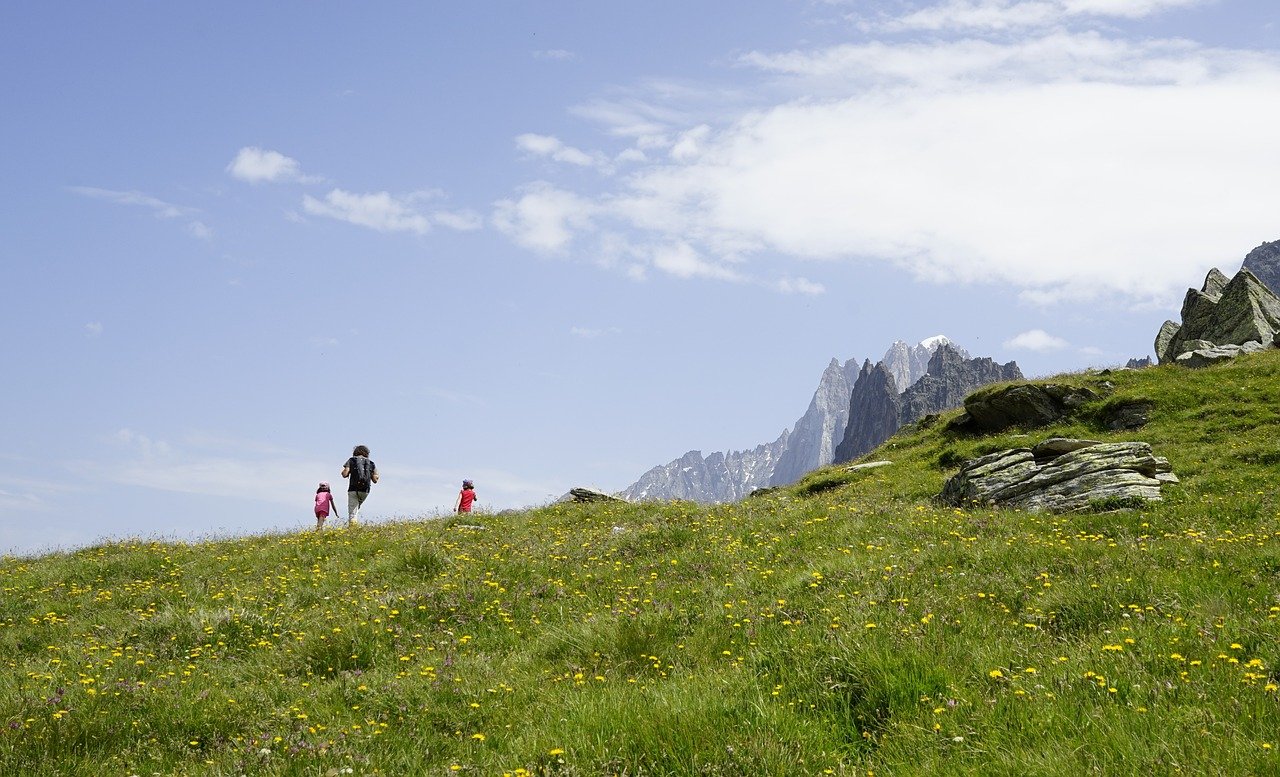
Sustainable Tourism and Swiss Cultural Preservation
Swiss Cultural Preservation is eminent for its dazzling scenes, eco-conscious mentality, and wealthy social legacy. Over the a long time, the nation has made critical strides in combining maintainable tourism with preserving its social personality, making a demonstrate for other countries to take after. This marriage between natural maintainability and social conservation not as it were guarantees that Switzerland’s common and social riches perseveres for future eras but too improves the guest encounter, advertising a more profound and more significant engagement with the country's heritage.
In this article, we’ll investigate how economical tourism and social conservation have ended up a culminate coordinate in Switzerland, looking at the methodologies that have made this organization so successful.
The Importance of Sustainable Tourism in Switzerland
Switzerland has long been a pioneer in natural stewardship, with its citizens and government profoundly committed to securing normal assets and decreasing the country's carbon impression. Feasible tourism plays a crucial part in this exertion by minimizing the natural affect of travel and guaranteeing that tourism exercises do not hurt the biological systems or neighborhood communities they involve.
a) Minimizing Environmental Impact
Switzerland’s approach to feasible tourism incorporates eco-friendly transportation choices such as hydropower-fueled trains, electric buses, and bike-sharing frameworks in cities like Zurich and Geneva. Guests can appreciate the excellence of the Swiss farmland without contributing to carbon outflows, much obliged to the country’s venture in clean vitality and green transportation infrastructure.
When I travelled to Switzerland, I found the open transportation framework unimaginably proficient and ecologically neighborly. I utilized the Swiss Travel Pass to get around, which permitted me to travel by prepare, watercraft, and bus all fueled by renewable vitality. It was comforting to know that my voyages were in line with Switzerland’s eco-friendly ethos.
b) Supporting Local Economies
Sustainable tourism energizes travelers to back nearby businesses, artisans, and ranchers. By advancing farm-to-table feasting, artisan markets, and local cultural tours, Switzerland guarantees that tourism benefits the communities it touches, protecting both the environment and the jobs of neighborhood individuals.

Cultural Preservation Through Sustainable Tourism
Switzerland’s social legacy is as wealthy as its characteristic excellence, with a embroidered artwork of conventions that reflect its different etymological and territorial characters. Through economical tourism, the nation has found ways to ensure its social bequest whereas upgrading the guest experience.
a) Reviving Traditional Crafts
In districts like Appenzell, Engadine, and Valais, conventional creates such as carpentry, weaving, and cheese-making are being protected and advanced through feasible tourism activities. Guests can go to workshops, purchase carefully assembled products specifically from artisans, or visit nearby galleries that exhibit these time-honored practices.
Example: In Gruyères, I gone to a neighborhood cheese dairy where I learned approximately the antiquated convention of Gruyère cheese generation. The encounter not as it were advertised a taste of Swiss culture but too underscored the significance of feasible, artisanal nourishment generation in protecting these social practices.
b) Car-Free Villages Preserving Culture
Switzerland’s car-free towns, such as Zermatt and Mürren, are cases of how tourism can be created in a way that secures both the environment and the social character of neighborhood communities. By dispensing with cars, these towns diminish contamination and commotion whereas keeping up the conventional charm that has characterized them for centuries.
Personal Insight: Strolling through the roads of Zermatt, I felt like I was venturing back in time. The nonattendance of cars made a serene air, and the village's center on economical transportation such as electric taxis and horse-drawn carriages—enhanced the realness of the experience.
c) Cultural Festivals and Events
Many Swiss towns and cities have yearly celebrations that celebrate their special societies. These celebrations, which frequently include conventional ensembles, music, and nourishments, are key components of social conservation. Feasible tourism plays a part by drawing in guests who are interested in learning almost and supporting these traditions.
Example: The Fête de l’Escalade in Geneva celebrates the city’s history with a dynamic celebration that incorporates parades, authentic reenactments, and nearby nourishment. By taking an interest in these occasions, visitors not as it were appreciate a happy environment but moreover contribute to the conservation of nearby conventions

Sustainable Tourism Initiatives in Switzerland
Switzerland has executed different activities pointed at advancing feasible tourism and protecting its social legacy. These activities not as it were secure the environment and culture but too give special, immersive encounters for visitors.
a) UNESCO Biosphere Reserves
Switzerland is domestic to a few UNESCO biosphere saves, such as the Entlebuch Biosphere and the Val Müstair Biosphere Save. These regions are recognized for their wealthy biodiversity and social legacy, and they advance feasible tourism by advertising guests the chance to investigate common scenes whereas supporting nearby preservation efforts.
During a visit to the Entlebuch Biosphere, I participated in a guided visit that highlighted the region’s special biological systems and conventional cultivating hones. The encounter made a difference me appreciate the profound association between Switzerland’s normal and social heritage.
b) Farm-to-Table Dining
Economical tourism in Swiss Cultural Preservation habitually solidifies farm-to-table eating, where travelers can appreciate suppers made from locally sourced fixings. Various eco-friendly lodgings and eateries prioritize utilizing normal convey, supporting adjacent agriculturists, and lessening food waste. This not as it were progresses the visitor experience but in addition strengthens the bond between tourism and social conservation.
Example: Amid a remain at an eco-friendly hotel in Lucerne, I was treated to a feast including locally sourced vegetables, herbs, and dairy items. The chef clarified that the menu changes regularly to reflect what’s accessible from adjacent ranches, fortifying the association between neighborhood culture and feasible living.
Challenges and Future Opportunities
While Swiss Cultural Preservation has made noteworthy advance in consolidating sustainable tourism with social conservation, challenges stay. The expanding ubiquity of tourism, especially in intensely gone to ranges like the Jungfrau locale, has driven to concerns almost packing and its affect on nearby communities and environments. Switzerland is effectively working to address these issues by restricting guest numbers in touchy ranges and advancing lesser-known regions.
Promoting Off-the-Beaten-Path Destinations
To ease the weight on prevalent visitor spots, Switzerland is empowering guests to investigate lesser-known locales, such as the Ticino and Jura regions, which offer similarly wealthy social encounters. By advancing maintainable travel in these regions, Switzerland can adjust the convergence of visitors whereas protecting its more delicate environments and social sites.
Swiss Cultural Preservation commitment to maintainable tourism and social conservation has made a idealize coordinate, permitting guests to involvement the country’s normal magnificence and wealthy legacy in a capable and significant way. By minimizing natural affect and supporting nearby conventions, Switzerland guarantees that its social and natural treasures stay intaglio for future generations.
Through activities such as car-free towns, farm-to-table eating, and the advancement of conventional creates, Switzerland illustrates how maintainable tourism can be a effective apparatus for securing social character whereas upgrading the guest encounter. Travelers who select to investigate Switzerland reasonably not as it were appreciate an exceptional travel but too contribute to the conservation of the country’s special legacy.