
Switzerland, a nation synonymous with dazzling snow capped scenes and untainted characteristic excellence, is domestic to a few of the most breathtaking national parks in Europe. Whereas most travelers know Switzerland for its charming towns and exciting ski inclines, the country’s national parks offer an unparalleled opportunity to submerge yourself in flawless wild, one of a kind biological systems, and open air adventures.
This comprehensive direct will investigate everything you require to know around Switzerland’s national parks. From the grand Swiss National Stop to the rising Territorial Nature Parks, we’ll investigate their key highlights, exercises, natural life, and the best times to visit. Whether you’re a nature devotee, an eager explorer, or basically looking for peaceful get away, this direct will prepare you with all the information to arrange a vital adventure.
An Overview of Switzerland’s National Parks
Switzerland’s approach to preservation is extraordinary, with 19 authoritatively recognized parks spread over the nation. These parks are categorized into two types:
-
Swiss National Stop: Switzerland’s as it were official national park.
-
Regional Nature Parks: Littler zones committed to protecting social legacy and biodiversity whereas advancing feasible tourism.
While Switzerland’s national parks framework might not be as broad as other nations, it’s recognized by its commitment to environmental conservation and breathtaking scenes.
1. Swiss National Park
Switzerland’s Crown Jewel
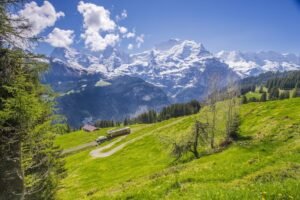
Established in 1914, the Swiss National Park is Switzerland’s first and as it were official national stop. Found in the Engadine Valley of the canton of Graubünden, it is a UNESCO Biosphere Save and ranges an amazing 172 square kilometers of untouched wilderness.trgg
Key Highlights
-
Strict Preservation Rules: Guests must adhere to assigned trails, guaranteeing negligible unsettling influence to nature.
-
Wildlife Spotting: The stop is domestic to ibexes, chamois, marmots, ruddy deer, and over 100 species of fowls, counting brilliant eagles.
-
Diverse Ecosystems: Encounter everything from rich glades to rough mountains and thick forests.
Activities
-
Hiking: Over 80 kilometers of checked trails, counting the family-friendly Trupchun Valley climb, known for its natural life sightings.
-
Wildlife Perception: Summer and early harvest time are perfect for spotting creatures in their normal habitats.
-
Guided Visits: Learn around the park’s topography, vegetation, and fauna from experts.
Best Time to Visit
-
Summer (June–October): Perfect for climbing and enjoying lavish greenery.
-
Winter (December–March): Whereas the stop closes for most exercises, cross-country skiing in adjacent ranges offers a diverse perspective.
Personal Experience: Going to the Swiss National Stop felt like venturing back in time to an untouched snow capped heaven. On the Trupchun Valley path, I was fortunate to spot a group of ruddy deer touching against a background of snow-capped crests.
2. Parc Ela
A Regional Gem
Located in the heart of Graubünden, Parc Ela is the biggest territorial nature stop in Switzerland, covering over 600 square kilometers. The stop is a concordant mix of nature and culture, with pleasant towns, notable castles, and different landscapes.
Key Highlights
-
Cultural Heritage: Investigate conventional towns like Bergün, known for its noteworthy buildings and neighborhood craftsmanship.
-
Geological Wonders: Find the Albula and Julier passes, formed by frigid activity.
-
Rich Biodiversity: Domestic to lynxes, wolves, and uncommon snow capped plants.
Activities
-
Hiking & Biking: Trails like the Ela Path grandstand the park’s common beauty.
-
Cultural Visits: Visit legacy locales, counting antiquated Roman ruins.
-
Wildlife Safaris: Connect guided visits to spot tricky predators like the lynx.
Best Time to Visit
Summer (May–September): Culminate for open air exploration.
Winter: Awesome for snowshoeing and finding the region’s blanketed charm.
3. Parc Jura Vaudois
Rolling Hills and Forests
Nestled in the Jura Mountains, Parc Jura Vaudois is a heaven for those who cherish delicate scenes and tranquil withdraws. This stop, found in western Switzerland, offers a striking differentiate to the tough Alps.
Key Highlights
-
Panoramic Views: From Mont Tendre, the most noteworthy top in the Jura Mountains, appreciate sees of Lake Geneva and the far off Alps.
-
Local Products: Test cheeses, nectar, and wines from the region.
-
Historical Sites: Investigate Roman streets and antiquated watchtowers.
Activities
-
Hiking & Cycling: Trails wind through timberlands, pastures, and villages.
-
Gastronomy Tours: Combine climbs with stops at neighborhood dairies and vineyards.
-
Stargazing: The stop is known for its clear night skies.
Best Time to Visit
-
Spring and Autumn: These seasons bring dynamic colors and gentle weather.
4. Binntal Nature Park
A Geologist’s Dream
The Binntal Nature Stop, found in the canton of Valais, is eminent for its mineral-rich mountains and charming towns. This moderately lesser-known stop is a sanctuary for geologists and those looking for solitude.
Key Highlights
-
Minerals In abundance: The Binntal Valley is popular for its uncommon minerals, with over 200 assortments found here.
-
Scenic Villages: Meander through Binn, a curious town that feels solidified in time.
-
Traditional Agriculture: See how local people protect old cultivating practices.
Activities
-
Hiking: Trails like the Twingi Pig out offer breathtaking views.
-
Mineral Hunts: Connect guided visits to reveal Binntal’s topographical treasures.
-
Cultural Events: Take part in conventional celebrations celebrating nearby heritage.
Best Time to Visit
Summer: Best for climbing and investigating mineral sites.
Personal Tip: Visit the Mineral Exhibition hall in Binn for a intriguing presentation to the valley’s geography some time recently heading out.
5. Pfyn-Finges Nature Park
A Different Ecosystem
Located in Valais, Pfyn-Finges Nature Stop is a biodiversity hotspot, mixing Mediterranean and snow capped climates. This interesting combination makes an environment where uncommon species thrive.
Key Highlights
-
Rhone River Plains: Investigate endless wetlands and timberlands along the Rhone River.
-
Wine Culture: The encompassing vineyards deliver a few of Switzerland’s best wines.
-
Birdwatching: A heaven for ornithologists, with over 200 feathered creature species recorded.
Activities
-
Hiking: Trails like the Illgraben Geographical Path offer sensational views.
-
Wine Tours: Test neighborhood vintages in the pleasant towns of Sierre and Salgesch.
-
Wildlife Spotting: See for beavers, deer, and uncommon birds.
Best Time to Visit
Spring and Autumn: Gentle temperatures make it idealize for climbing and wine tasting.
Conservation Endeavors in Switzerland’s National Parks
Switzerland’s national parks are more than fair lovely landscapes—they’re confirmations to the country’s commitment to protecting its normal legacy. Strict preservation rules, economical tourism activities, and community association guarantee that these parks stay perfect for eras to come.
Tips for Visiting Switzerland’s National Parks
-
Follow Park Rules: Most parks require guests to remain on stamped trails to secure sensitive ecosystems.
-
Plan: Check regular closures, as a few trails and exercises may not be accessible year-round.
-
Pack Smart: Continuously carry water, snacks, and suitable adapt for changing climate conditions.
-
Embrace Neighborhood Culture: Bolster neighborhood businesses and learn around territorial traditions.
-
Leave No Follow: Minimize your affect by taking all waste with you and regarding wildlife.
Future Patterns in Swiss National Parks
As worldwide mindfulness of natural issues develops, Switzerland is taking steps to grow its preservation endeavors. Here are a few energizing developments:
-
Eco-Tourism Initiatives: Parks are joining feasible tourism hones, counting green transportation and eco-lodges.
-
Digital Experiences: Virtual visits and increased reality guides are being created to improve guest engagement.
-
Biodiversity Restoration: Endeavors to reintroduce local species like lynxes and wolves are ongoing.
Must-Visit for Nature Enthusiasts
Switzerland’s national parks are more than fair excellent scenes! They are living cases of fruitful preservation and maintainable tourism. Whether you’re investigating the rough wild of the Swiss National Stop or submerging yourself in the social charm of territorial nature parks, you’ll discover an extraordinary encounter holding up for you.
So pack your climbing boots, get your camera, and get ready to find the wild side of Switzerland. It’s time to investigate, appreciate, and protect these common treasures for eras to come.
FAQs About Switzerland’s National Parks
1. Are there entrance expenses for Swiss national parks?
The Swiss National Stop does not charge an entrance expense, but a few territorial parks may require expenses for guided visits or particular activities.
2. Can I camp in Swiss national parks?
Camping is entirely precluded in the Swiss National Stop. Be that as it may, a few territorial parks may have assigned camping areas.
3. How do I get to these parks?
Switzerland’s great open transportation framework interfaces most parks to major cities. Trains and buses regularly drop you right at the stop entrances.
4. Are pets allowed?
Pets are not permitted in the Swiss National Stop to secure natural life. Rules change for territorial parks, so it’s best to check beforehand.


[…] kilometers of marked hiking trails, many of which are suitable for families with young children. Swiss National Park in the Engadine Valley offers several family-friendly hikes that allow children to learn about […]
[…] Swiss National Park is incredible for eco-conscious cyclists. It has rules to secure its fragile environment. Cyclists […]
[…] openly, or paddling a canoe on a calm lake encompassed by rich woodlands. Amid my visit to the Swiss National Park in Graubünden, I was flabbergasted by the flawless magnificence of the scenes and the concordance […]